Technical Specifications
Digital Inputs
24 isolated sinking inputs. Supported field voltage 12 to 24 VDC. Sink or source wiring capable according to UMAC digital input configuration. Typical input current not more than 2 mA per channel in low-current optical configurations.
Digital Outputs
24 isolated sinking outputs. Output voltage range 5 to 24 VDC depending on load and option. Sinking drive capability suitable for relays, indicators and low-power actuators. Self-protected output stage against short circuit and overload.
Isolation
All input and output channels are optically isolated from the UMAC logic circuit. Isolation suppresses ground loops, inverter noise, contact arcing and transient coupling from power equipment.
Connection Interface
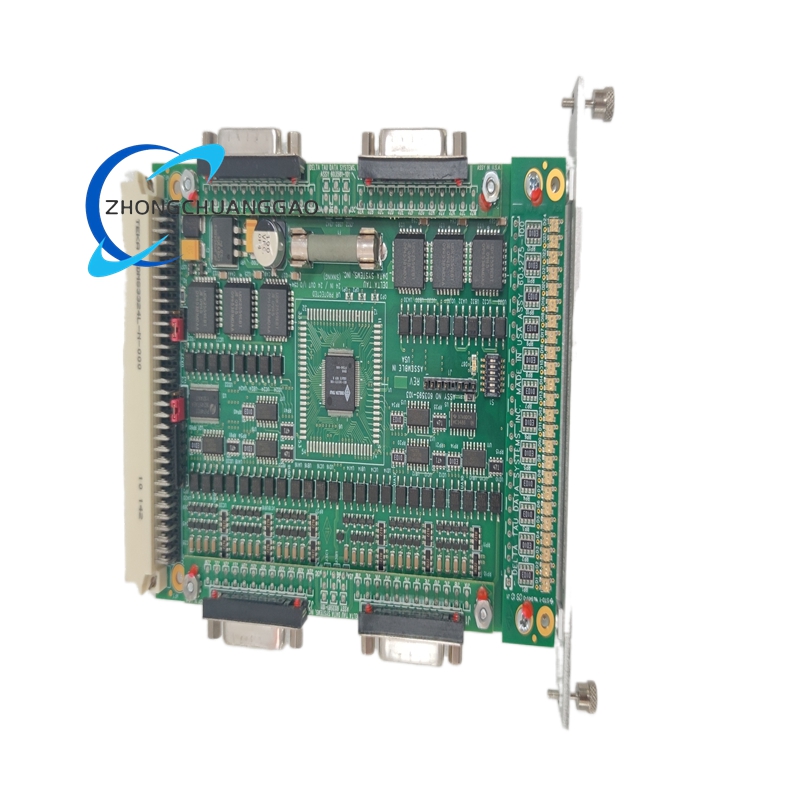
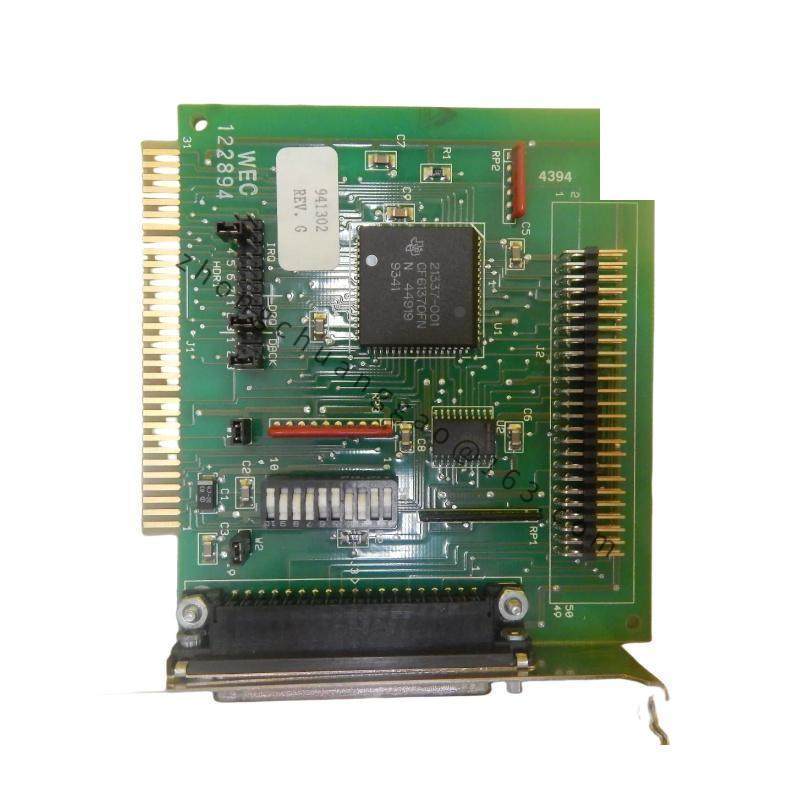
Removable terminal blocks or 15-pin D-sub according to installed front wiring option. Terminal block version is used for high-density cabinet wiring. D-sub version is used for pre-assembled harnesses and compact panels.
Power Supply
Field-side power 12 to 24 VDC for inputs and outputs. Backplane logic power is supplied through the UMAC slot. External field power must be isolated SELV with proper fusing.
Mechanical and Environmental
3U UMAC Eurocard format. DIN or rack slot mounting according to UMAC chassis kit. Operating temperature -20°C to 60°C. Relative humidity 10% to 90% non-condensing. Industrial plastic and metal card construction with flame-retardant PCB material.
Functional Features
24 isolated sinking inputs for switches, sensors and safety contacts.
24 isolated sinking outputs for relays, lamps, valves and alarm devices.
Optical isolation between field wiring and controller logic.
Self-protection against output short circuit and overcurrent.
Millisecond-level response for machine interlock and discrete automation.
Terminal block or D-sub wiring options for flexible cabinet design.
Direct UBUS memory mapping for fast input status and output control from PMAC programs.
Application Scenarios
CNC machine tool panel inputs, coolant control, door interlocks and auxiliary relays.
Multi-axis robotic cells requiring isolated start, stop, home and fault signals.
Packaging machines with photocells, pushers, labelers and reject gates.
Semiconductor automation equipment with vacuum switches, light curtains and solenoid valves.
General UMAC motion systems needing high-density isolated discrete I/O alongside analog and encoder boards.
Performance Parameters
Input recognition suitable for standard 12 to 24 VDC industrial sensors.
Output switching response in the millisecond range under specified load.
Input-to-logic and output-to-logic isolation implemented through optocouplers.
Backplane data exchange through UMAC I/O memory without protocol conversion delay.
Material Composition
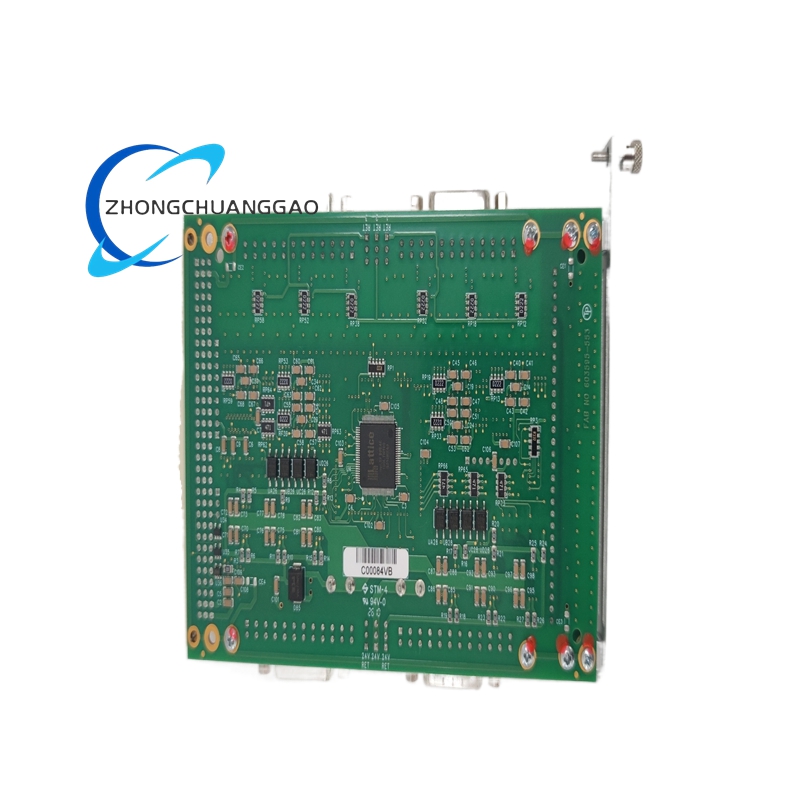
Industrial-grade FR-4 printed circuit board. Surface-mounted optocouplers for input and output isolation. Flame-retardant terminal housing and D-sub connector shell. Gold or tin-plated backplane contacts according to UMAC card edge specification. Metal or reinforced plastic front panel according to rack option.
Structural Characteristics
3U plug-in board with rear UBUS connector for the UMAC backplane. Front wiring area with terminal blocks or 15-pin D-sub. Isolated input bank and isolated output bank separated from logic circuitry. LED or software status access for channel diagnostics according to system configuration.
Working Principle
External 12 to 24 VDC field devices drive the sinking input circuits. Optocouplers convert field voltage states into isolated logic signals and transfer them to the UMAC backplane memory. The PMAC control program reads input bits, executes ladder or motion logic, and writes output bits to the board. Output optocouplers and sinking drivers then energize field loads through the external return path. Short-circuit protection limits current if an output is accidentally grounded or overloaded.
Installation Requirements
Install the board in an available UMAC 3U slot with the rack de-energized. Set address, jumper and option configuration according to the UMAC hardware manual before insertion. Connect field power with correctly sized fuses and separate input/output commons if required. Use shielded cable for long sensor runs and ground the shield at the cabinet ground bar. Verify terminal block orientation and D-sub pinout before applying field voltage. Leave front ventilation clearance for heat dissipation.
Usage Precautions
Do not exceed 24 VDC on the field input or output side. Confirm sinking wiring before connecting sensors and loads. Avoid mixing isolated field ground with UMAC logic ground. Test each input and output with a known 12 or 24 VDC source before full machine operation. Inspect terminal torque and D-sub locking screws periodically. Replace the board if optocoupler damage, burnt terminals or repeated output faults are observed.