Technical Specifications To Confirm
Rated voltage and drive type, for example 48 V DC, 220 V AC servo or controller-dependent bus voltage.
Rated current, rated torque or continuous force, peak torque or peak force.
Speed or linear velocity, rotor inertia or moving-mass parameters.
Feedback type, such as Hall sensors, incremental encoder, absolute encoder or resolver.
Stroke or rotor travel, lead/ball-screw pitch, or magnet-track length for linear versions.
Thermal limits, insulation class and cooling method.
Functional Features
Electronic commutation provides smooth torque and long service life.
Closed-loop feedback enables accurate speed, position and force control.
Direct-drive linear versions eliminate backlash from ballscrew, belt or gear transmission.
Rotary servo versions integrate with gearboxes, brakes and high-resolution feedback.
Application Scenarios
CNC axes, inspection stages and precision positioning equipment.
Packaging, labeling, semiconductor handling and laboratory automation.
Robotics, actuator replacements and high-repeatability industrial motion systems.
Performance Parameters
Continuous performance is defined by thermal rating, duty cycle and cooling.
Positioning accuracy depends on encoder resolution, controller tuning and mechanical stiffness.
Force or torque linearity depends on magnet design, winding selection and drive current.
Material Composition
Rotary motors use neodymium or other rare-earth magnets, laminated stator steel and copper windings.
Linear forcers use reinforced ceramic-epoxy construction in ironless designs or laminated steel in iron-core designs.
Magnet tracks use rare-earth assemblies with aluminum or steel backing.
Housings use anodized aluminum, steel or sealed alloy according to protection class.
Structural Characteristics
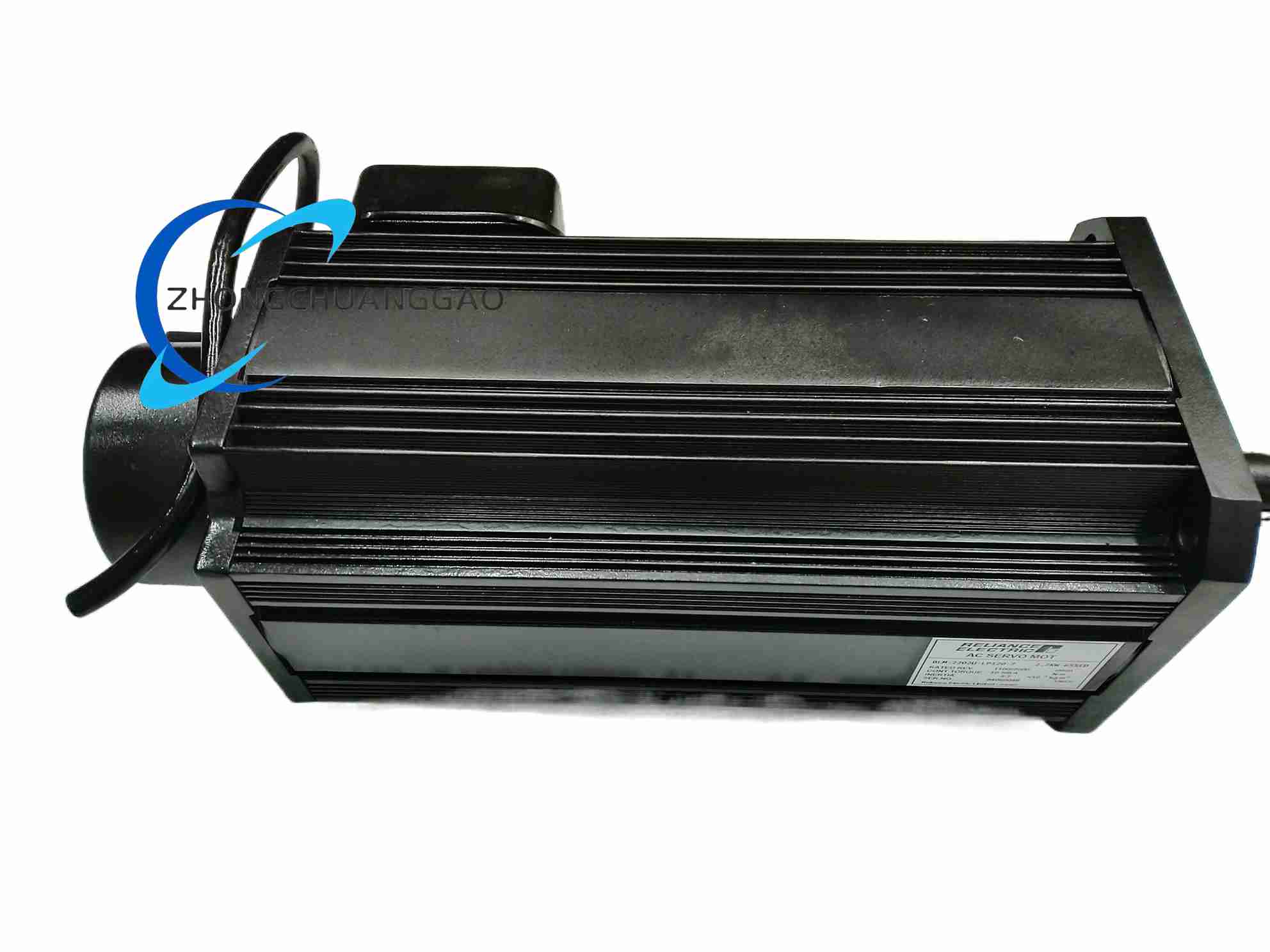
Rotary version contains stator, permanent-magnet rotor, shaft, bearings and feedback device.
Linear version contains noncontact forcer and U-channel magnet track or lead-screw carriage assembly.
Cable outlet, connector type and mounting pattern depend on the ordered mechanical variant.
Working Principle
The drive energizes stator windings in sequence based on rotor or forcer position feedback.
Magnetic interaction produces rotational torque or linear force.
The controller regulates current, velocity and position in closed loop.
Linear direct-drive units convert electrical energy into straight-line motion without intermediate mechanical reduction.
Installation Requirements
Align the motor or stage to the machine datum and use specified coupling or linear guide.
Provide matched servo drive, feedback cabling and supply voltage from the manufacturer confirmation.
For linear units, install the magnet track on a flat, rigid base and maintain air gap tolerance.
Ground the system and separate signal cables from power cables.
Usage Precautions
Do not exceed rated current, temperature or continuous/peak force limits.
Use correct encoder polarity, commutation order and controller tuning before load run.
Protect linear magnet tracks from impact, debris and ferromagnetic contamination.
Confirm exact model specification sheet for BLM-2202U-LP120-7 before procurement, integration or safety calculation.