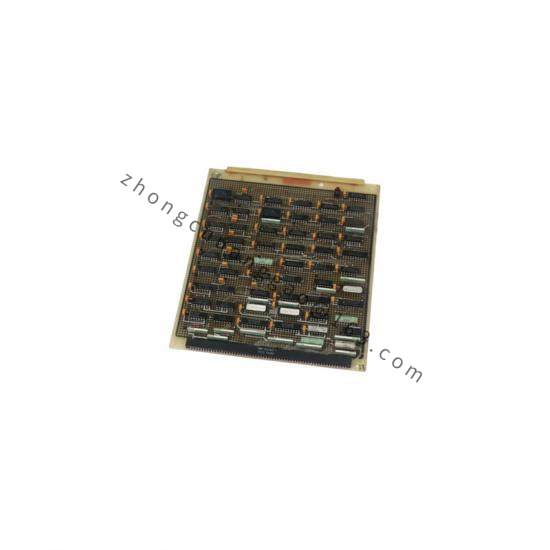
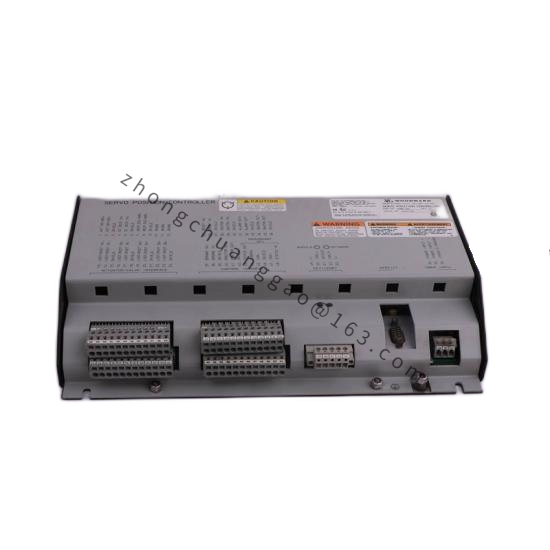
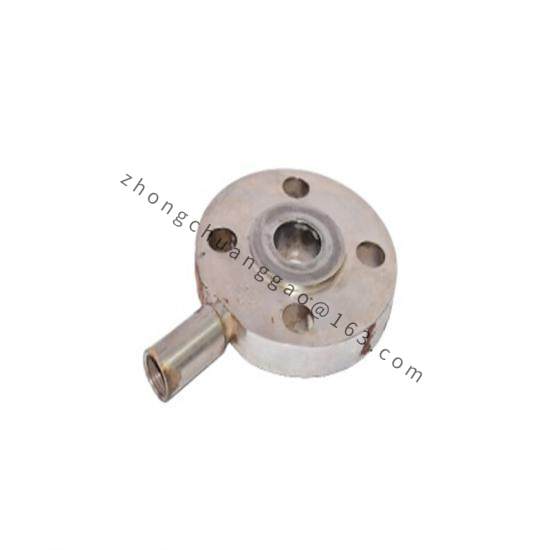
Product Name: Valve, Control, LQ25 (LQ25 Liquid Fuel Control Valve)
Product Overview: Per Woodward’s parts catalog, 9908-216 is designated as “Valve, Control, LQ25” — an LQ25-series liquid fuel metering valve. It features an enhanced shutoff sealing structure for reliable fuel cutoff.
Key Technical Specifications (based on LQ25-series baseline):
Maximum Fuel Inlet Pressure: 1,200 psig (8,274 kPa)
Maximum Fuel Bypass Pressure: 100 psig (690 kPa)
Nominal Metering ΔP: 50 psid (345 kPa)
Minimum Metered Flow: 80 lb/h (36 kg/h)
Turndown Ratio: >100:1
Drive Voltage: 18–32 VDC
Command / Feedback: 4–20 mA
Ingress Protection: IP66 (baseline LQ25)
Operating Temperature: –28 °C to +85 °C
Storage Temperature: –40 °C to +103 °C
Materials & Structure: The valve body and shutoff sealing surfaces use corrosion-resistant, wear-resistant alloy with precision-machined and hardened treatment. Seals are high-performance fluoro-carbon rubber (FKM) to ensure shutoff reliability over long service. The unit is configured with a single-speed frameless resolver as the position-feedback element; the driver interface is compatible with the standard LQ25 series.
Working Principle: Under normal operation the valve acts as a standard metering valve—the driver adjusts the rotary plate position per the 4–20 mA command to precisely control fuel flow. The internal ΔP regulator maintains a constant differential across the metering port. When a shutoff command is issued or the driver loses power, a spring force or motor brake rapidly returns the plate to the fully-closed position, cutting off fuel.
Installation Requirements: Install in the main fuel-supply line with an upstream filter. Orient the valve body to facilitate actuator heat dissipation and maintenance. Ensure the electrical shutoff-command circuit is independent and reliable. Perform a leak-tightness verification test at the fully-closed position.
Usage Precautions: Regularly inspect internal sealing performance in the shut-off state; repair immediately if leakage is found. Avoid prolonged operation at partial opening to prevent uneven seat wear. Perform periodic emergency-shutoff tests to validate response time. Manually cycle the valve before initial start-up after long-term storage to confirm no sticking.