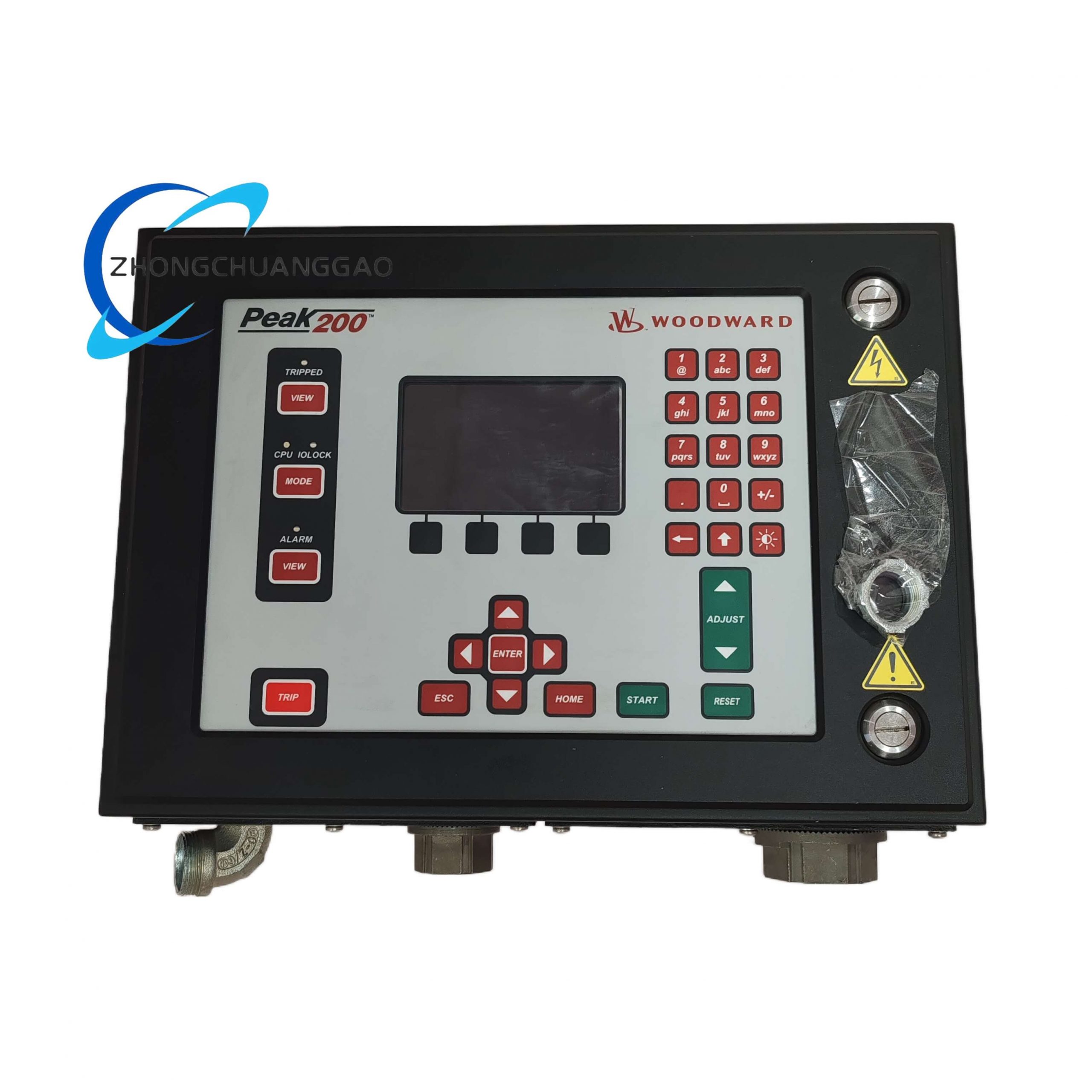
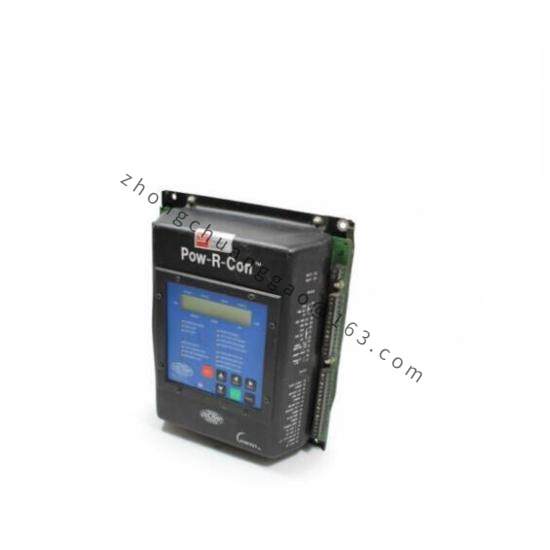
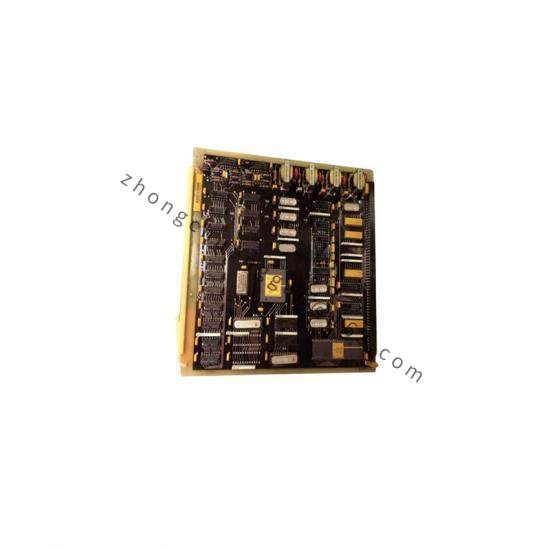
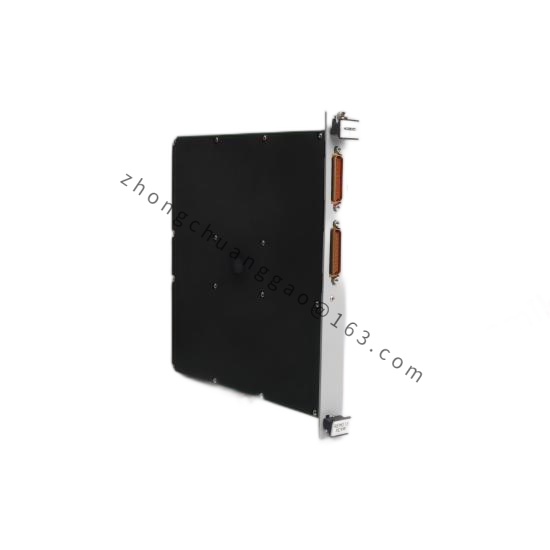
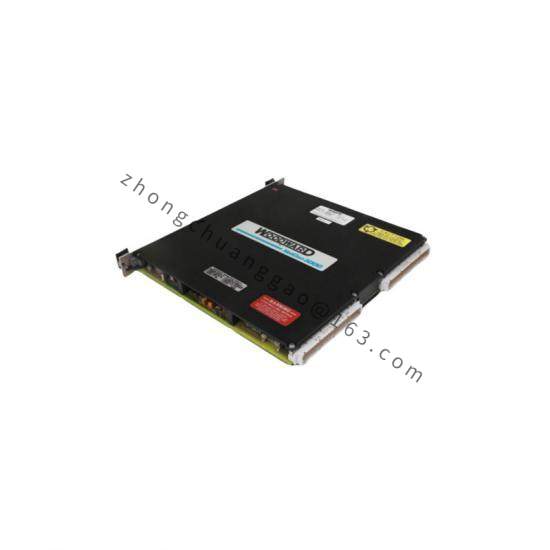
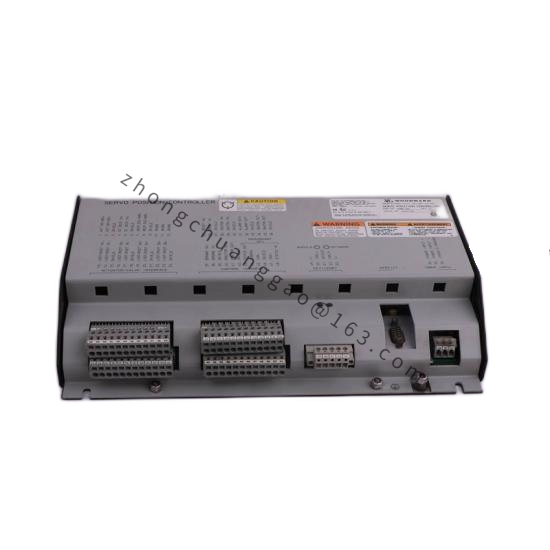
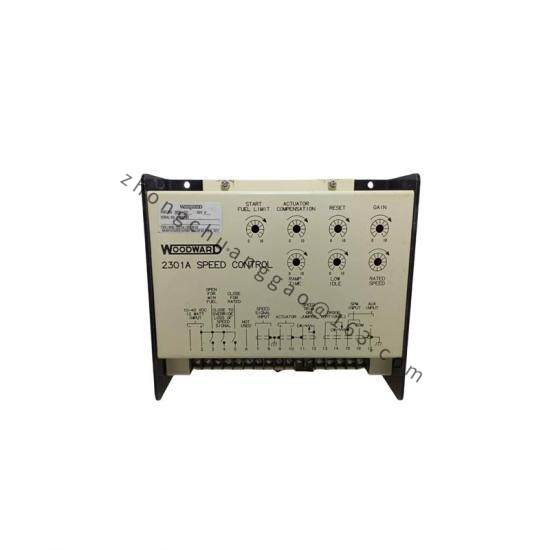
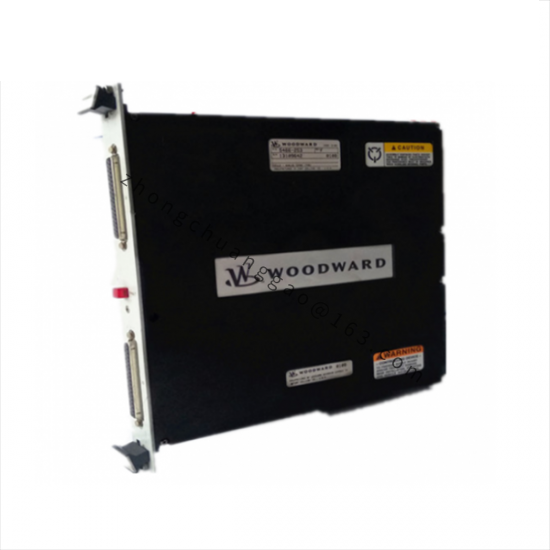
Product Introduction: An LS-5 series digital grid-tie controller integrating synchronization detection, breaker closing logic, and load sharing functions for generator-grid tie and multi-unit parallel operation control. It features a built-in digital processing unit and supports panel keypad parameter configuration.
Automatic synchronization detection for voltage, frequency, and phase difference, issuing a closing command when conditions are met
Multi-unit parallel load sharing with active power balancing adjustment
Breaker logic control with closing interlock protection to prevent out-of-sync grid tie
Local keypad parameter configuration with local fault code display
CAN bus networking for multiple controllers forming a power station control system
Application Scenarios: Factory self-owned power stations, data center backup generator sets, multi-unit parallel grid-tied power stations.
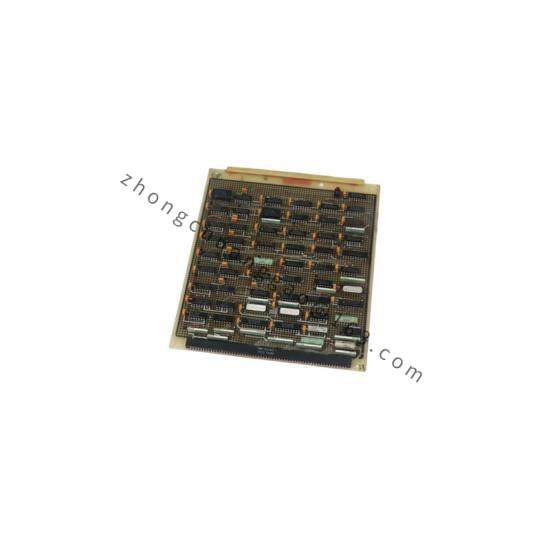
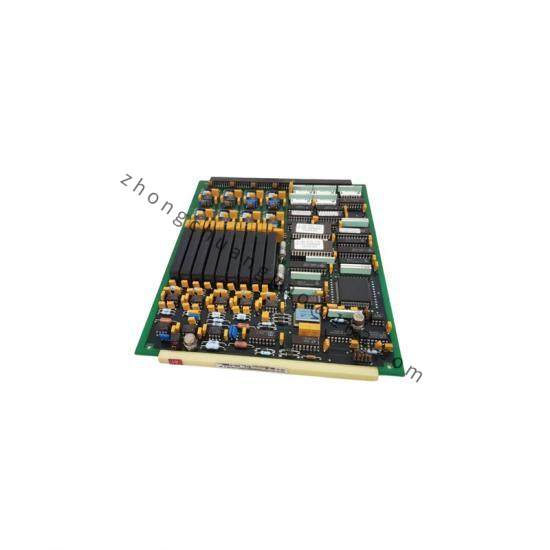
Material Composition: Plastic panel + metal enclosure, internal digital main control circuit board, relay output circuits, flame-retardant terminals.
Structural Features: Panel-embedded installation with keypad and status indicators on the front; wiring terminals on the rear.
Working Principle: Continuously samples three-phase voltage and frequency, detects the voltage, frequency, and phase difference between the unit and the grid, and automatically outputs a breaker closing command upon meeting synchronization conditions. Through the CAN bus, it exchanges load data with other controllers to achieve dynamic load sharing adjustment.
Installation Requirements:
Cabinet panel cutout installation, strictly follow the cutout dimensions in the manual
CAN bus uses shielded twisted-pair cable with terminal resistors configured
Separate routing of signal cables and power cables to reduce interference
Fuses must be configured in the sampling circuit
Usage Precautions:
Ensure correct phase sequence before grid-tie to prevent out-of-sync closing
This controller does not include independent overspeed protection; the system must be equipped with an independent hardware overspeed shutdown device
Anti-static protection must be observed when assembling/disassembling circuit boards