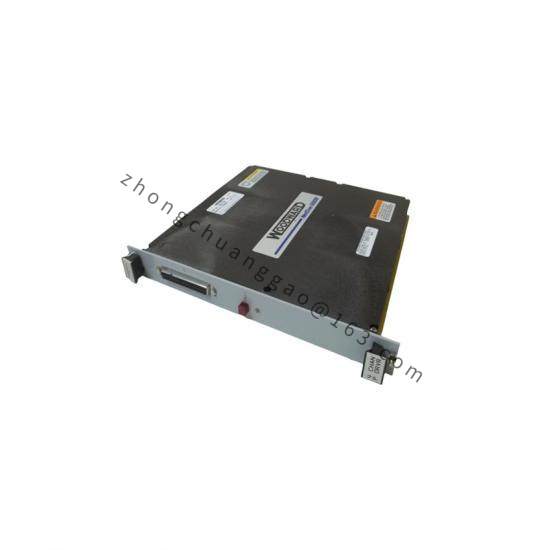
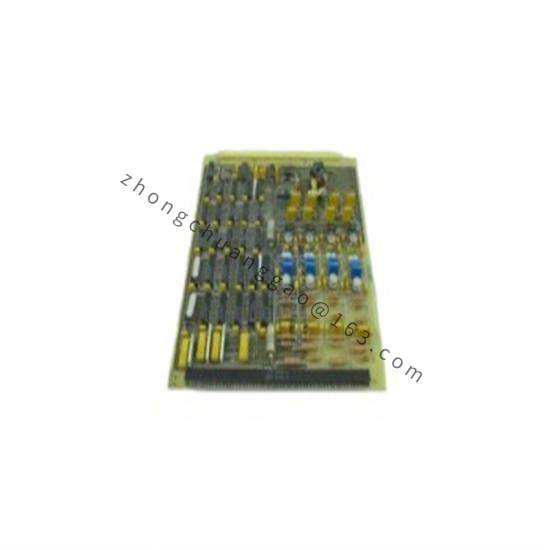
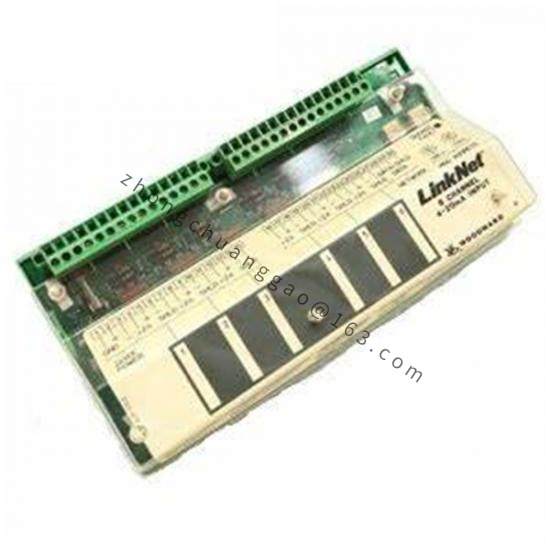
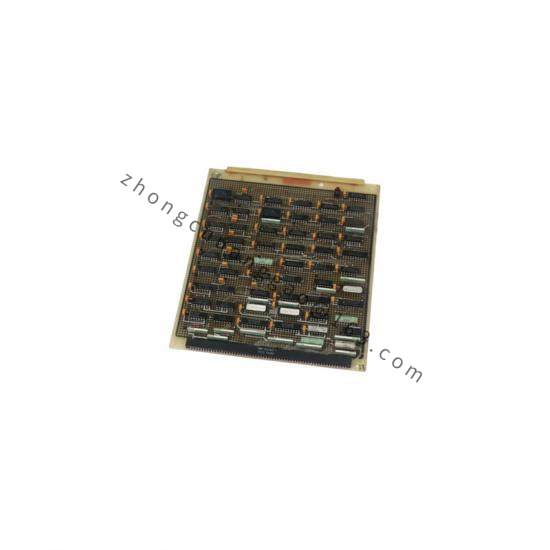
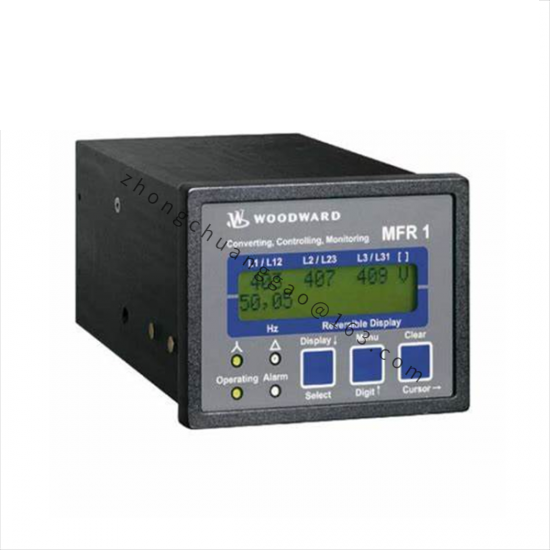
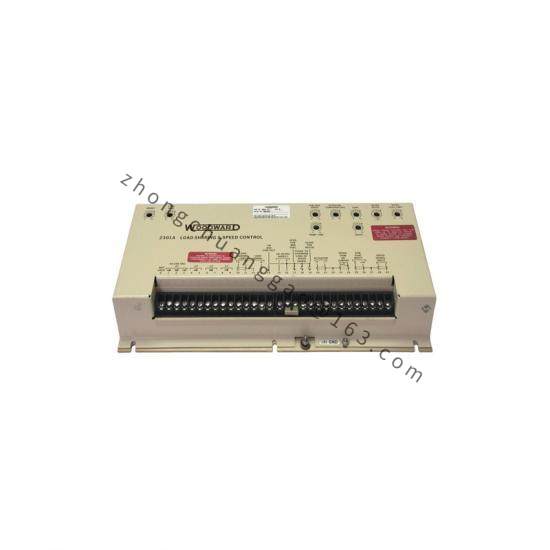
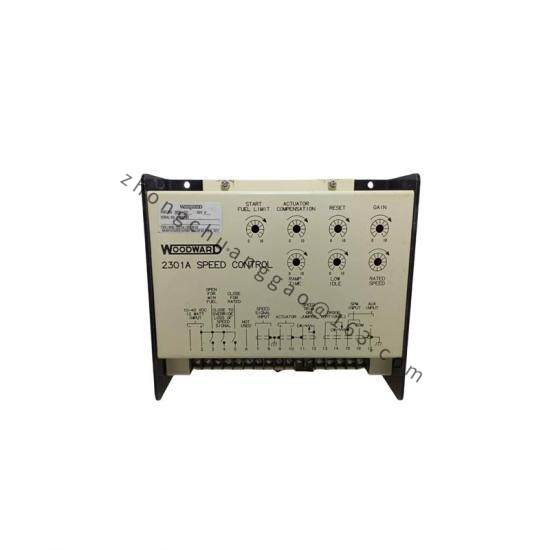
Product Name: Woodward 9905 / 9907 Series Electronic Load Sharing and Speed Control Component
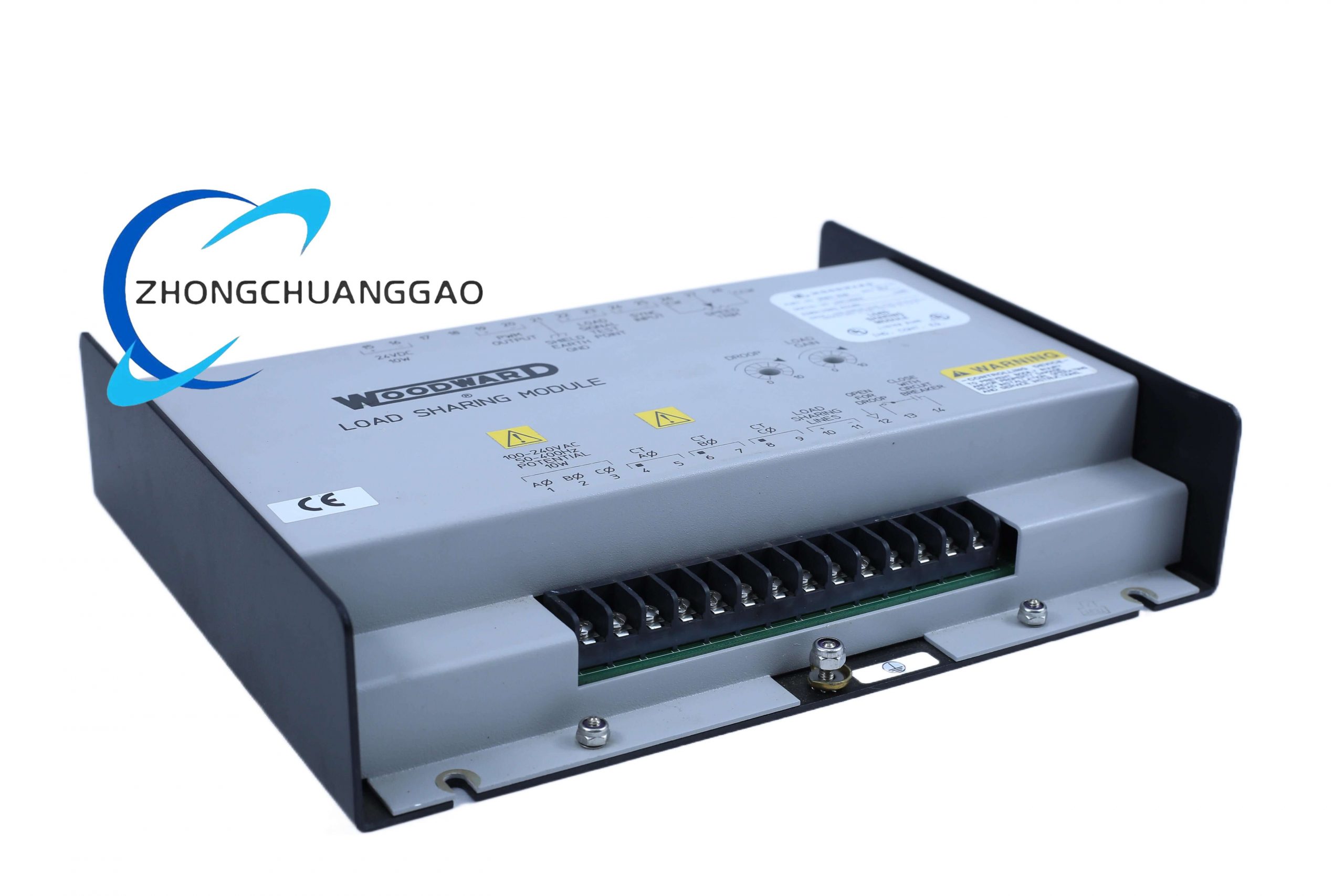
Product Introduction: The 9905-766 belongs to Woodward’s 9905 / 9907 series of electronic load-sharing and speed controls. The 9905 / 9907 series comprises UL Listed (E97763) controls designed for speed and load control of generator sets driven by diesel engines, gasoline engines, steam turbines, or gas turbines, supporting both single-unit operation and multi-unit parallel load sharing.
Technical Specifications: Detailed model-specific parameters for 9905-766 should be verified against the official Woodward 2301A Load Sharing and Speed Control manual. The series supports:
Power Supply: Per model configuration (refer to model table in official manual)
Actuator Output: Configurable for forward / reverse action, single or cascaded actuators
Speed Range Setting: Via onboard adjustments
Load Sharing: Isochronous / droop selectable
Functional Features: Provides electronic load sharing and speed control. Supports isochronous and droop operation, with external speed trim, actuator compensation, start fuel limit, and idle/rated ramp adjustments.
Application Scenarios: Diesel, gasoline, steam turbine, or gas turbine driven generator sets requiring speed control and load sharing in parallel operation.
Structural Characteristics: Control unit form factor; installed within a control panel system. The 2301A outline drawing details physical dimensions and terminal layout.
Working Principle: The control senses speed via a magnetic pickup (MPU) and load via current transformers (CT). It drives the actuator to maintain speed setpoint and shares load proportionally among paralleled units based on the droop characteristic or isochronous load-share signal.
Installation Requirements: Follow the 2301A Load Sharing and Speed Control Installation and Operation Manual. Use shielded wiring for sensor and actuator circuits. Connect potential transformers (PT) and current transformers (CT) per plant wiring diagrams. Set speed range and droop contact (isoch-droop) and load-sharing lines according to system design. Perform the installation check-out procedure before startup.
Usage Precautions: Observe electrostatic discharge (ESD) awareness during handling. Ensure CT secondaries are never opened under load. Verify CT phasing to avoid reversed load sharing. Properly route and stress-relieve field wiring entering the control.