Technical Specifications
Processor: Motorola PowerPC MPC8260 embedded 32 bit core.
Memory: dynamic RAM and flash memory configurations per MicroNet Plus board build.
Backplane: CompactPCI bus.
Communication: 2 RJ45 10/100 Ethernet ports and dedicated serial service ports.
Operating system: embedded real time operating system.
Power dissipation: approximately 15 to 20 W typical.
Operating temperature: -20 to +70 °C ambient.
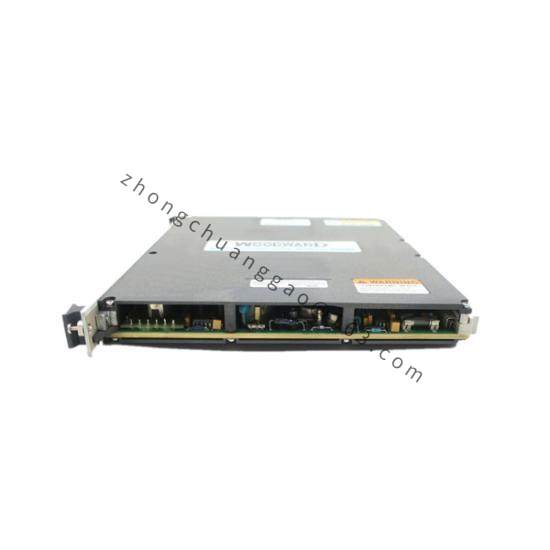
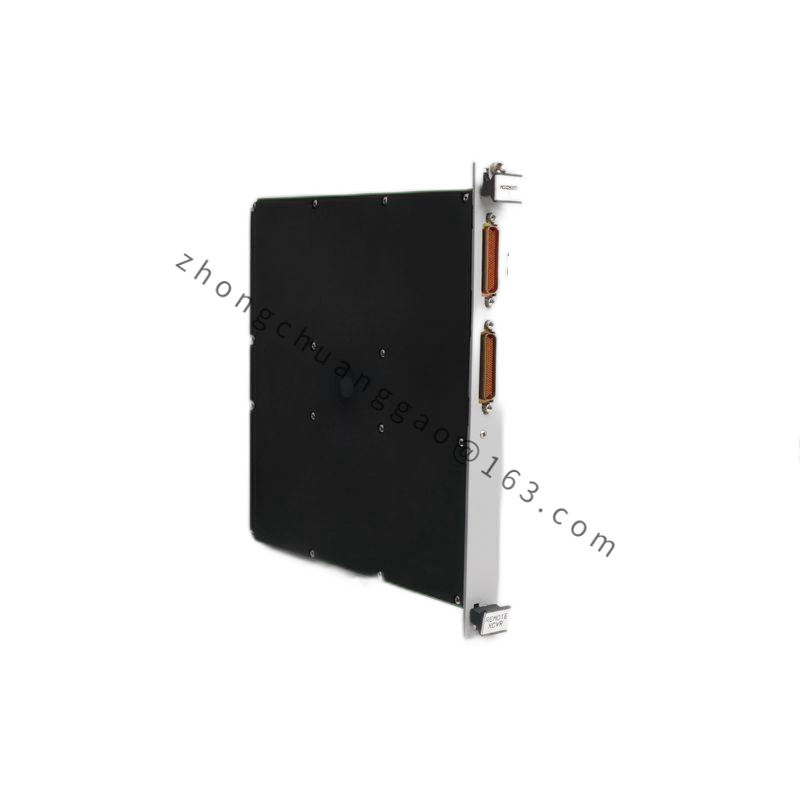
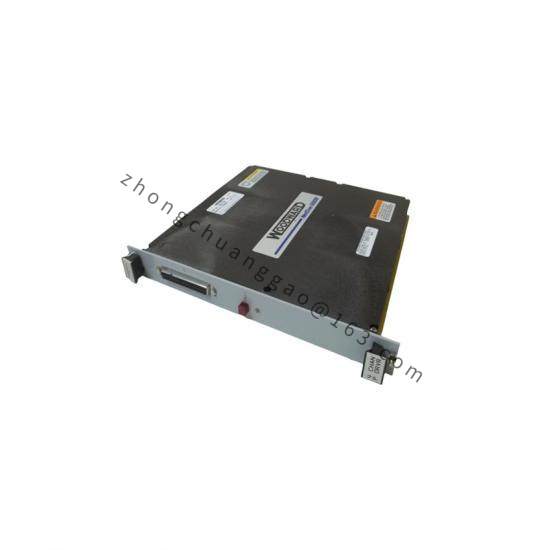
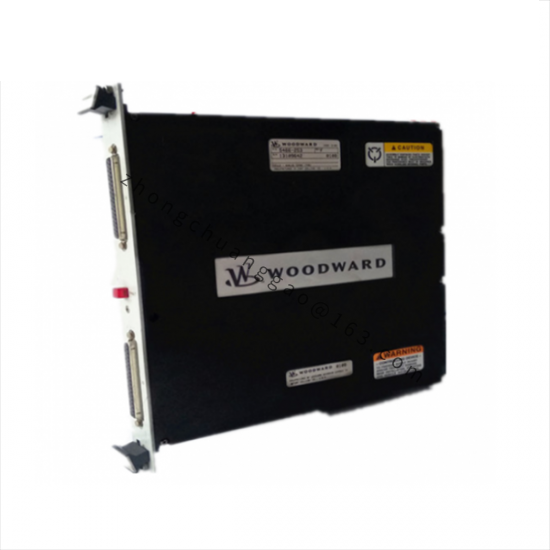
Enclosure: single slot European subrack plug in module.
Diagnostics: front panel LED indicators.
Weight: approximately 0.68 kg.
Redundancy: supports simplex, dual modular redundant, and triple modular redundant configurations.
Functional Features
Executes control logic, sequence programs, and communication management.
Provides Ethernet and serial access for configuration and service.
Supports redundant architectures for continuous process availability.
Stores application code, parameters, and diagnostic data through flash and RAM resources.
Application Scenarios
Gas turbine control systems.
Steam turbine control systems.
Generator control and protection loops.
Industrial engine management.
Distributed control communication and supervisory interface duties.
Performance Parameters
Ethernet throughput: 10/100 Mbps per RJ45 port.
Backplane data transfer: CompactPCI compliant transactions.
Typical power loss: 15 to 20 W under normal processing load.
Redundant operation: DMR or TMR voting according to system configuration.
Material And Construction
Printed circuit board with PowerPC processor, memory devices, and interface controllers.
Metal front panel with status LEDs and securing hardware.
CompactPCI edge connector and backplane contacts.
European format subrack compatible mechanical structure.
Working Principle
The CPU boots the real time operating system from onboard flash, loads control application code, reads inputs through the backplane and communication ports, executes control algorithms, and sends commands to I/O and connected controllers. Ethernet and serial ports provide programming, monitoring, and diagnostic access.
Installation Requirements
Insert the module into the designated CompactPCI slot.
Align the guide rails before applying pressure.
Tighten front panel fixing screws evenly.
Verify chassis ground continuity before energizing.
Confirm firmware revision matches other CPUs in redundant systems.
Usage Precautions
Use identical firmware and bootloader versions on all CPUs in redundant pairs.
Check the backup battery voltage before replacement to preserve nonvolatile data.
Handle the module with antistatic protection.
Do not bend backplane pins during insertion.
Perform a full application and parameter backup before removing the original CPU.