Product Name: Woodward 2301A Electronic Load Sharing and Speed Control
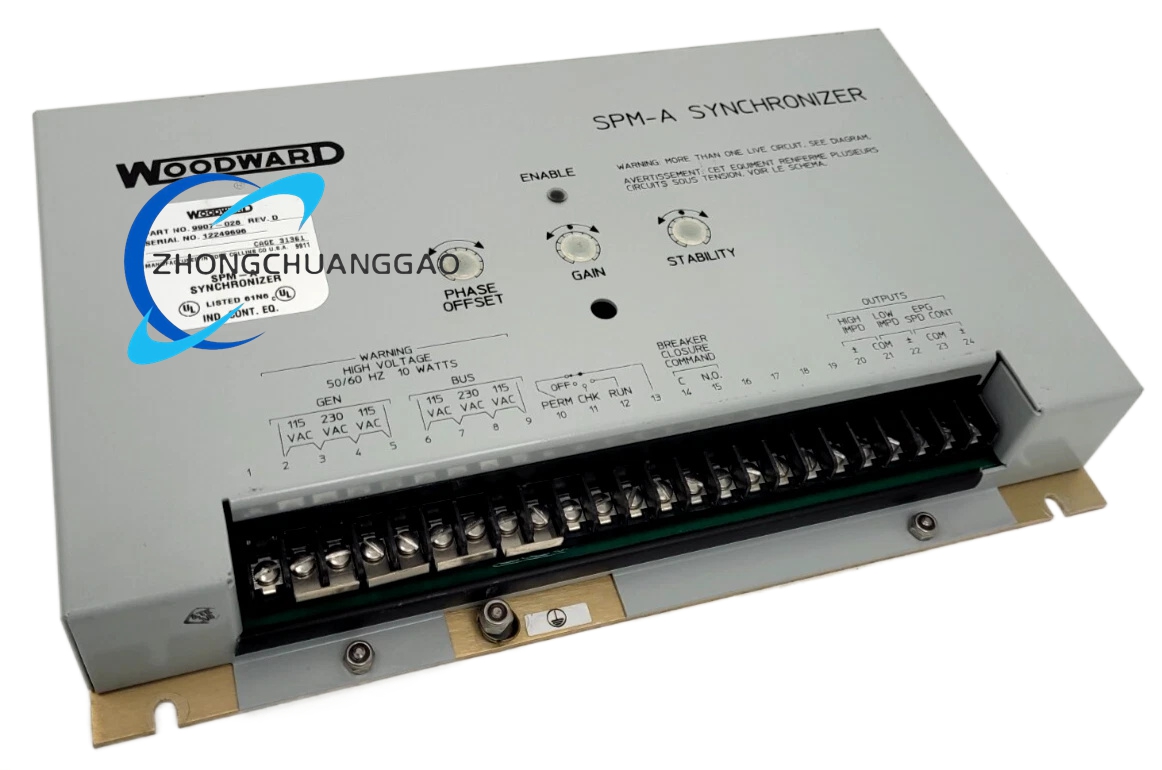
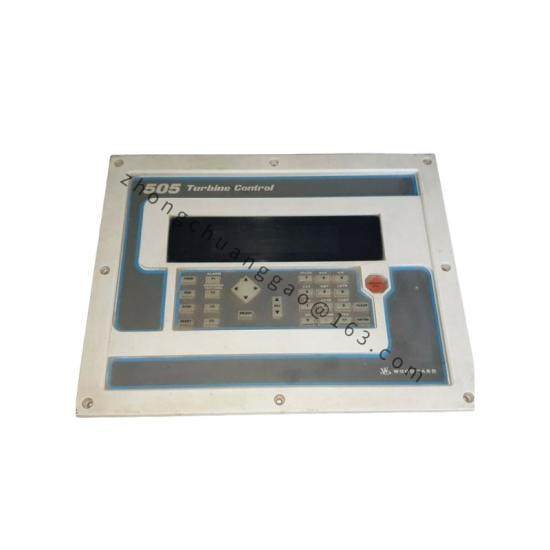
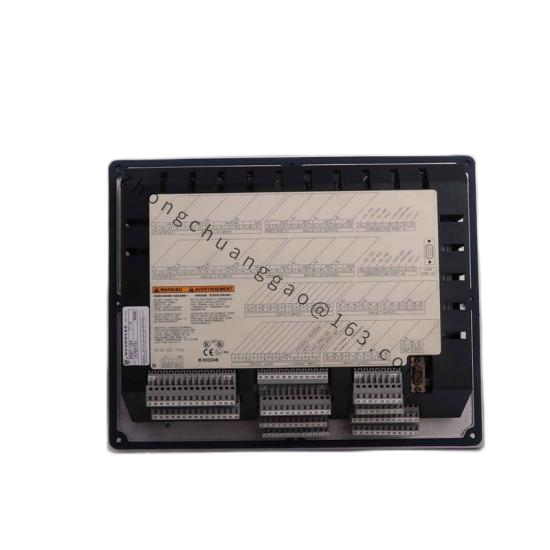
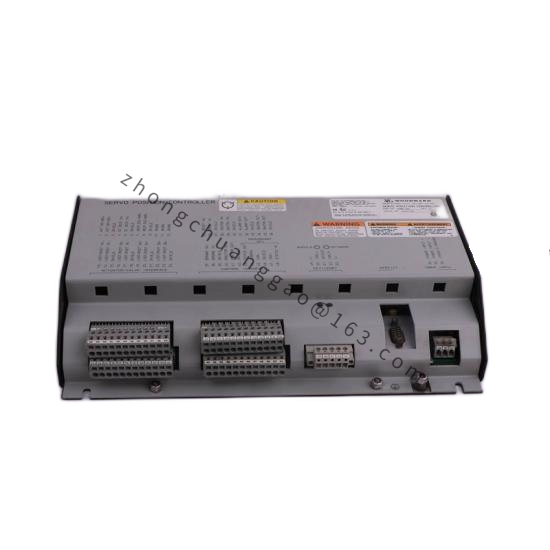
Product Overview: This model is part of the Woodward 2301A 9905/9907 series, controlling load sharing and speed for generators driven by diesel engines, gasoline engines, steam turbines, or gas turbines. The control is housed in a sheet-metal chassis consisting of a single printed circuit board, with all potentiometers accessible from the front of the chassis.
Power supply (high voltage model): 90 to 150 Vdc or 88 to 132 Vac
Switch-selectable speed ranges: 500 to 1500 Hz, 1000 to 3000 Hz, 2000 to 6000 Hz, 4000 to 12000 Hz
Actuator output: 0 to 200 mA (forward or reverse acting)
Load sensing: via current and potential transformers
Operating temperature: -40 °C to +70 °C
Functional Features: Provides isochronous or droop mode control; supports forward- or reverse-acting applications; compatible with single or tandem actuators; external speed trim; failed speed signal override; idle/rated ramp; minimum fuel contact.
Application Scenarios: Single prime mover operation; two or more prime movers on an isolated bus; base loading against an infinite bus with Automatic Power Transfer and Load (APTL) control, Import/Export control, or process control accessories; parallel operation of multiple prime movers.
Structural Characteristics: Sheet-metal chassis with a single printed circuit board. All adjustments accessible from the front panel.
Working Principle: The controller processes speed signals from a magnetic pickup and load signals from current/potential transformers, computing the required actuator output to maintain the target speed (isochronous mode) or a load-dependent speed droop. In reverse-acting systems, a complete loss of actuator voltage drives the actuator to full fuel, allowing a backup mechanical ballhead governor to take control.
Installation Requirements: Install in a “closed electrical operating area” or enclosed industrial control cabinet. Ensure adequate ventilation for heat dissipation, maintenance clearance, and protection from direct water exposure or condensation. Avoid proximity to high-voltage or high-current equipment that generates electromagnetic interference. Avoid vibration. Must not be installed directly on the engine.
Usage Notes: The engine, turbine, or prime mover must be equipped with an independent overspeed shutdown device, separate from the control system. Before disconnecting a battery from systems using an alternator or battery charging device, ensure the charging device is turned off first to prevent control system damage.