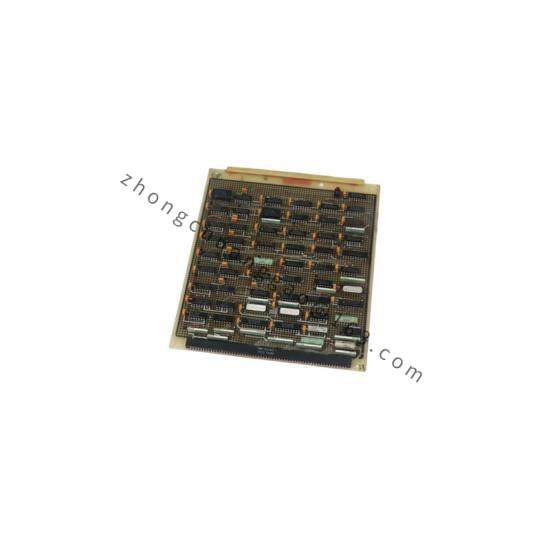
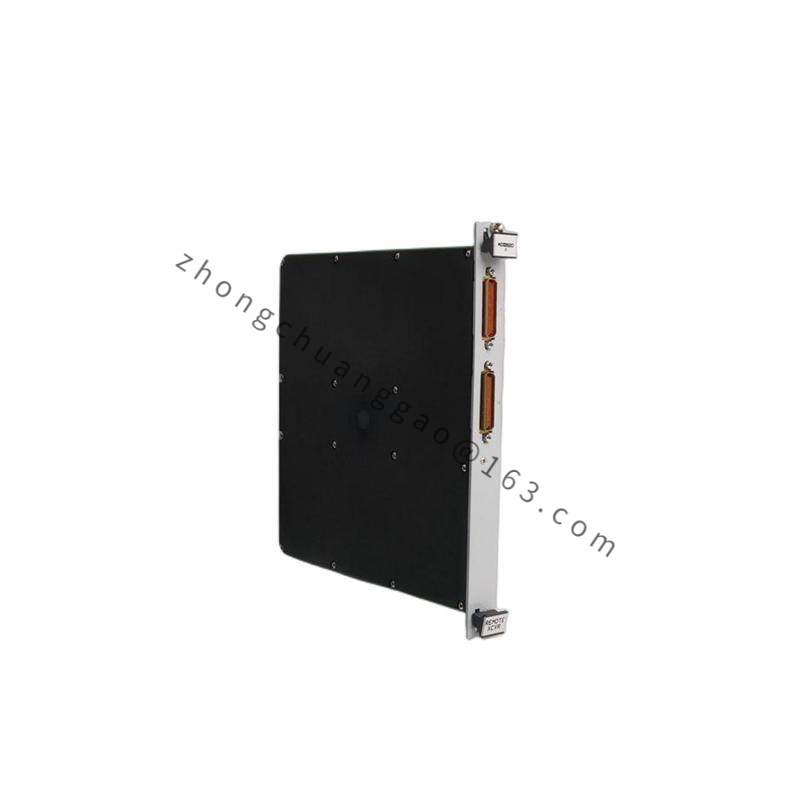
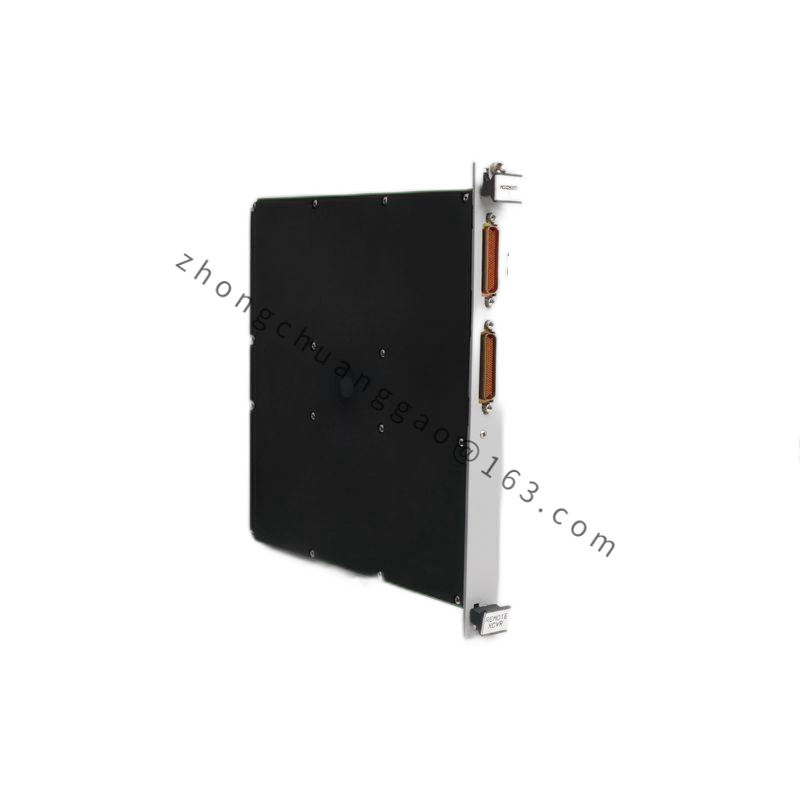
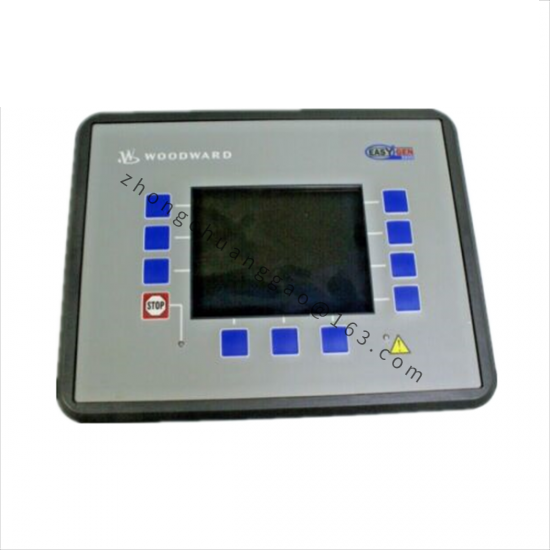
Woodward 9904-264
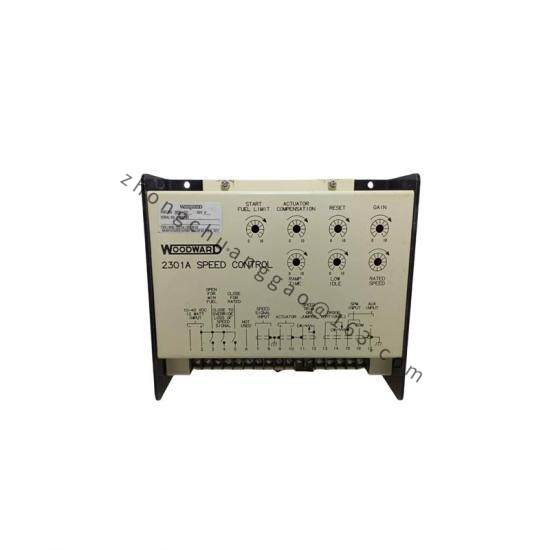
Product Name: 2301A Speed Control
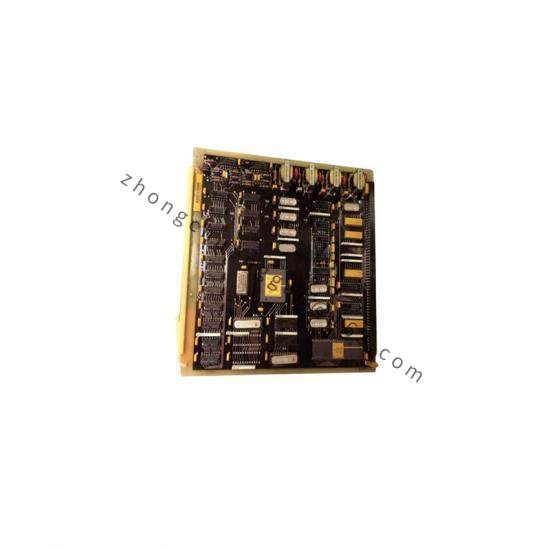
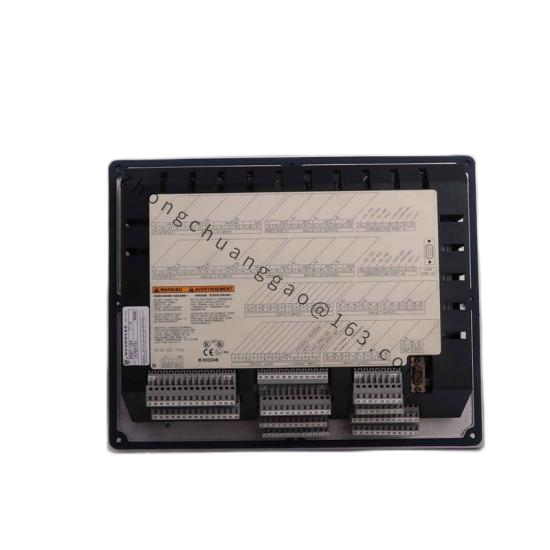
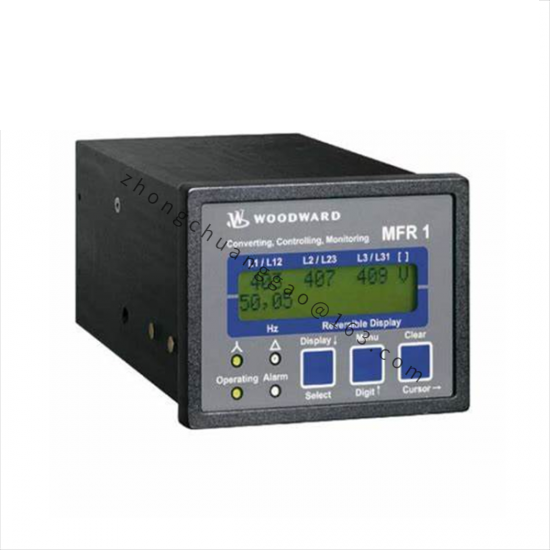
Product Introduction: The 9904-264 is a Woodward 2301A analog speed control module designed for generator set applications. It operates as a standalone isochronous speed governor or as a load-sharing controller in multi-unit paralleled configurations, delivering stable speed regulation for industrial diesel, natural gas, and dual-fuel engines.
Detailed content
Technical Specifications:
-
Droop Adjustment: 0–6%
-
Load Sharing Accuracy: ±2% of rated load across paralleled units
-
Supply Voltage: 18–32 VDC (24 VDC nominal)
-
Power Consumption: 8 W maximum
-
Speed Sensor Input: Magnetic Pickup (MPU), 50–10,000 Hz
-
Actuator Output: 0–200 mA (fuel control valve/actuator)
-
Operating Temperature: -40°C to +70°C
-
Enclosure Rating: NEMA 4X / IP65 (optional)
-
Mounting: Panel mount or DIN rail compatible
Functional Features:
-
Dual-mode governing: isochronous speed control or load-sharing control
-
Robust analog PI control algorithm for oscillation-free response
-
Field-tunable stability via front-panel potentiometers
-
Precision load balancing across paralleled gensets (±2% accuracy)
-
Fuel-agnostic: supports diesel, natural gas, and dual-fuel engines
-
Direct retrofit replacement for aging 2301A installations
-
Solid-state construction, MTBF exceeding 100,000 hours
Application Scenarios: Analog-based paralleling applications with up to 8 gensets in industrial power generation.
Working Principle: The MPU speed sensor feeds engine speed into the controller. The analog PI algorithm compares actual speed to the setpoint and outputs a 0–200 mA signal to the fuel control actuator, adjusting fuel delivery to maintain target speed. In load-sharing mode, it coordinates with other 2301A units via the load sharing bus.
Installation Requirements: Panel mount or DIN rail mounting. Supply with 18–32 VDC (24 VDC nominal). Connect MPU speed sensor and 0–200 mA actuator output per wiring diagram.
Usage Notes: For digital networking (Modbus/CAN), upgrade to Woodward 2301D series. Ensure proper ventilation within the -40°C to +70°C operating range.