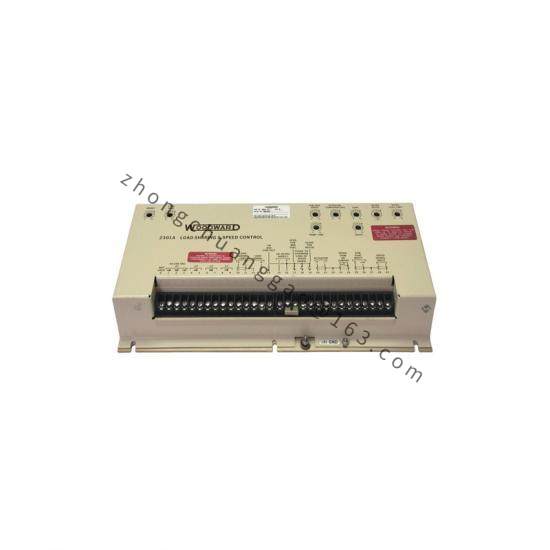
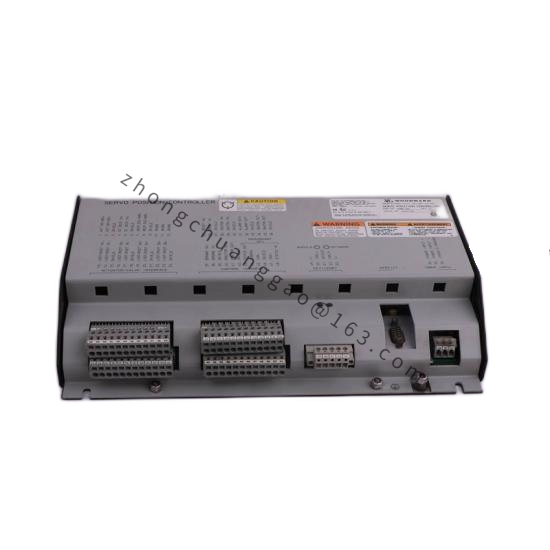
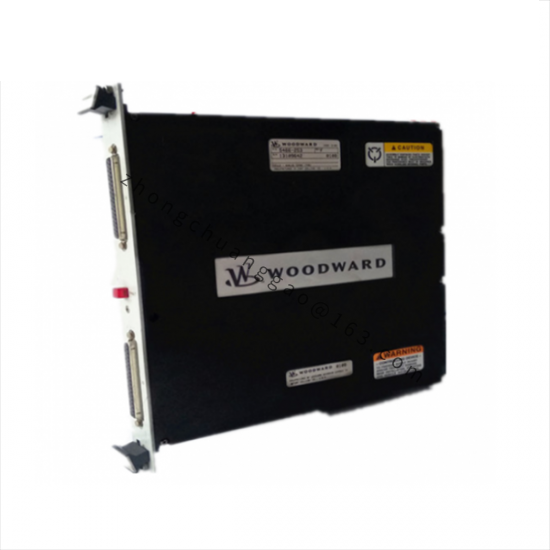
Woodward 8915-526
-
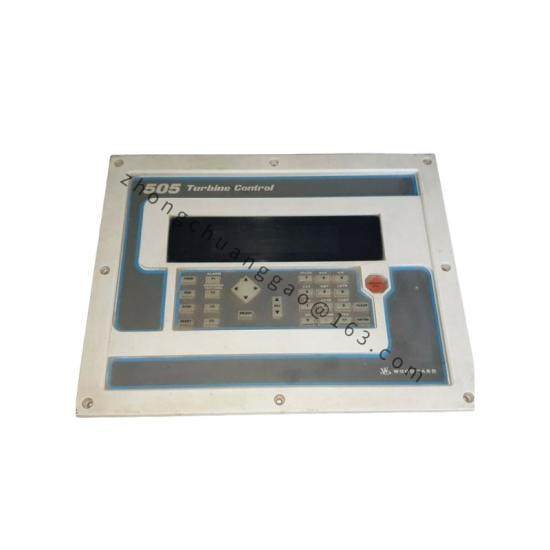
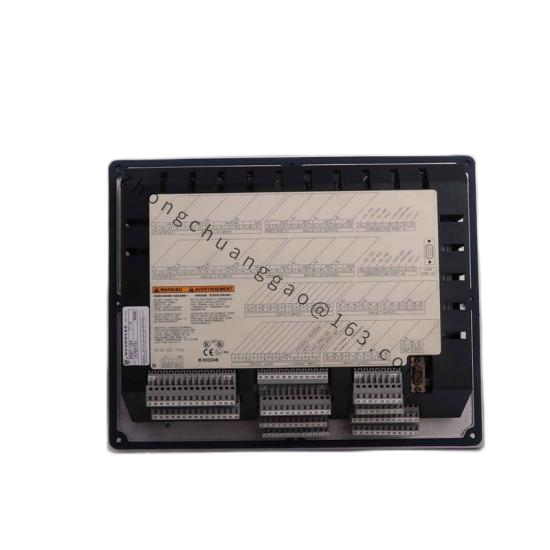
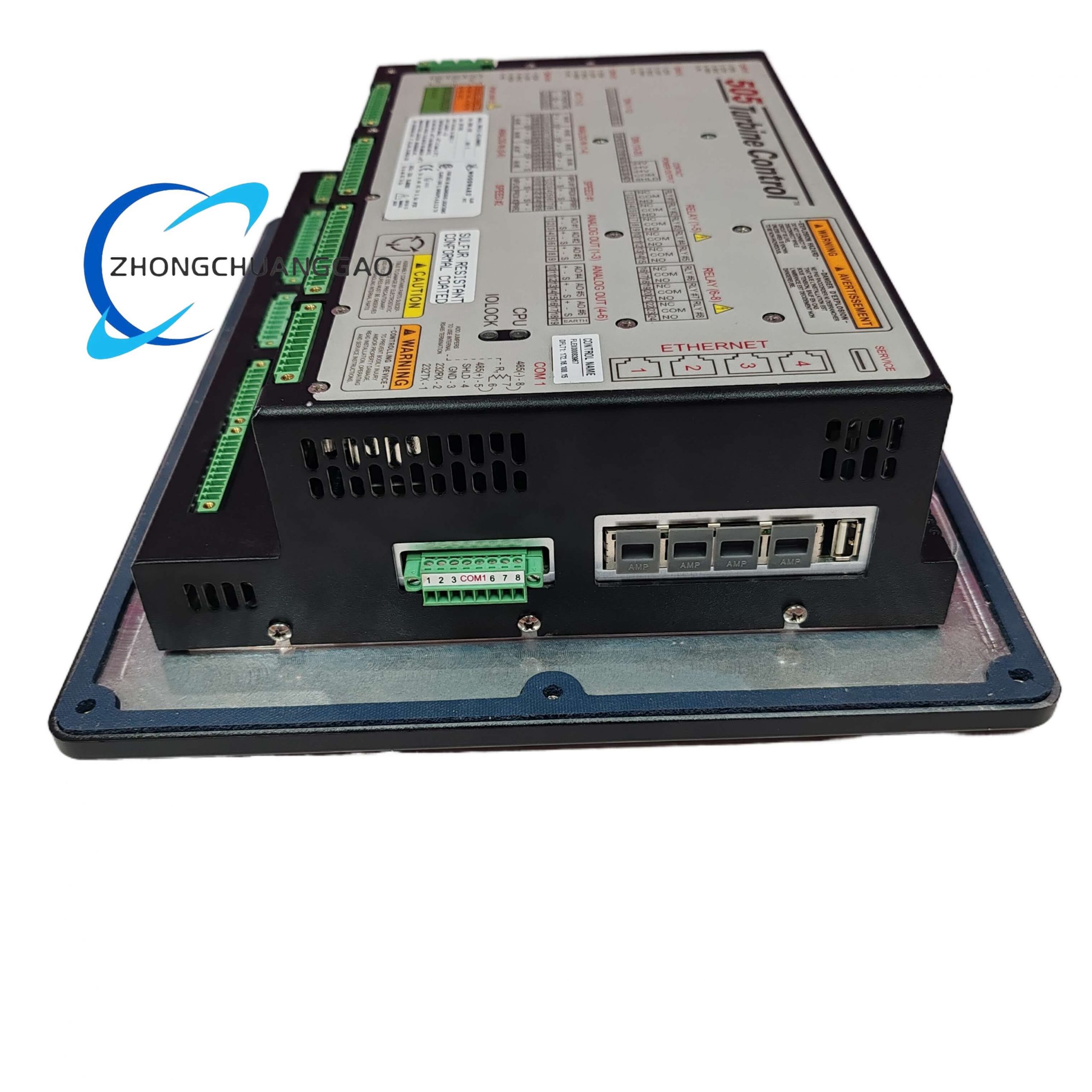
Product Name: Woodward 505‑series Microprocessor‑Based Digital Turbine Controller (Speed / Load Governor & Synchronizer Module)
-
Introduction: A high‑performance digital microprocessor controller module engineered for steam‑turbine, gas‑turbine, turbogenerator, and turbo‑expander control and monitoring. It performs speed and load control by driving single or split‑range actuators operating steam‑inlet valves, and provides synchronization and load‑sharing functions for generator applications.
Detailed content
-
Core Functions:
-
Speed and load control via single‑extraction and/or admission operation; split‑range actuator driving of steam‑inlet valves
-
Real‑time data monitoring and fault diagnostics (speed, temperature, pressure)
-
Multiple control modes: speed control, load control, isochronous/synchronous control
-
Critical‑speed avoidance, valve‑travel limiting
-
Built‑in redundant Ethernet communication ports
-
-
Technical Specifications:
-
Power supply: 24 VDC nominal (18–32 VDC input range)
-
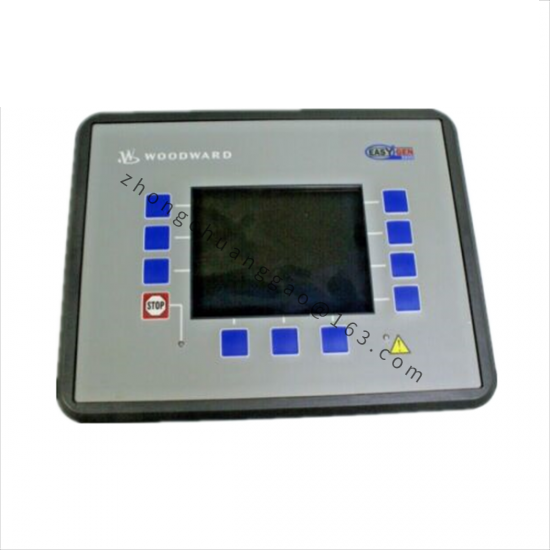
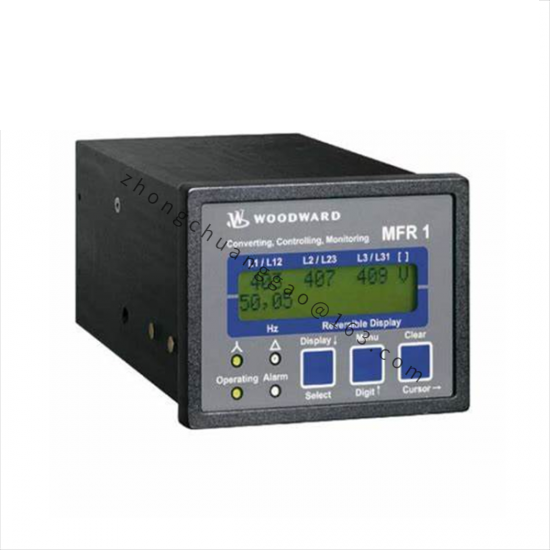
Display / HMI: Two‑line × 24‑character LCD with multifunction keypad on front‑panel Operator Control Panel (OCP)
-
Discrete inputs: 16 (4 fixed + 12 programmable)
-
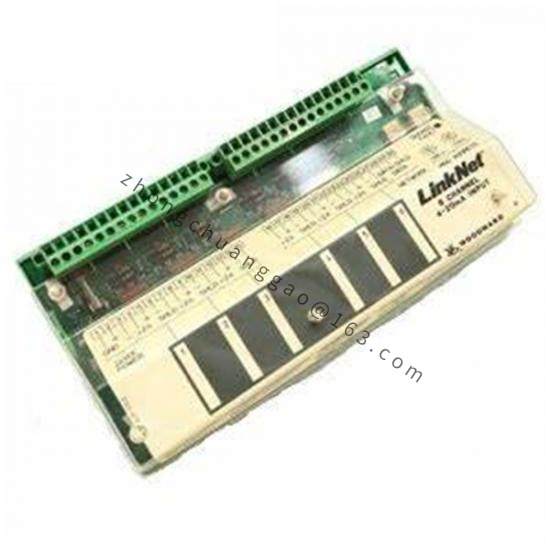
Programmable current inputs: 6 (4–20 mA)
-
Analog outputs: 6; Actuator outputs: 2; Relay/discrete outputs: 8
-
Serial ports: Independent RS‑232 and RS‑422; redundant Ethernet
-
Communication protocols: Modbus®, LonWorks (Echelon)-Operating temperature: –4 to +140 °F (–20 to +60 °C)
-
Storage temperature: –40 to +185 °F (–40 to +85 °C)
-
Enclosure: NEMA 4X / IEC 60529 IP56 rated
-
Weight: approx. 9.11 lb (4.13 kg)
-
Dimensions: approx. 14 × 11 × 4 in (35.6 × 27.9 × 10.2 cm)
-
Certification / rating: Class 1, Div. compliant; CE, RoHS
-
-
Features: Menu‑driven software for field programming; adaptive speed‑sensing algorithms; data‑logging capability; remote speed and load reference; soft‑load transfer; automatic idle‑to‑rated switching; load‑reject/load‑pulse options; idle‑droop function; optional Modbus® serial communication; over‑speed protection logic; emergency‑stop.
-
Application Scenarios:
-
Steam‑turbine control for industrial steam turbines, small grid turbo‑generators, and turbo‑expanders
-
Single‑extraction and/or admission steam‑turbine operation
-
Gas‑turbine and diesel/gas‑engine generator speed & load control
-
Parallel‑generator synchronization and load sharing in CHP and micro‑grid applications
-
Oil & gas, petrochemical, chemical, metallurgy, pulp & paper, power‑generation, water‑treatment, and boiler‑heating utilities
-
-
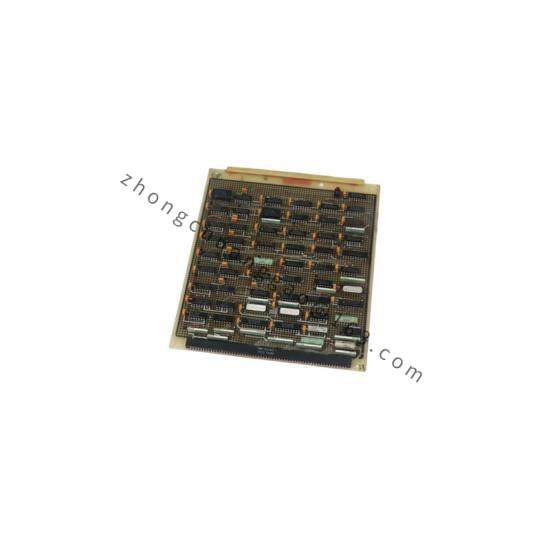
Materials & Structure: Printed‑circuit‑board stack housed in a rugged industrial enclosure; front‑panel operator control panel with LCD and keypad; modular I/O configuration.
-
Working Principle: A microprocessor executes high‑precision control algorithms, reading speed (from magnetic pickup or RVDT/LVDT), pressure, and temperature inputs, then computing actuator commands to regulate fuel or steam‑valve position. Communication ports allow integration with DCS/PLC and SCADA systems for remote monitoring, parameter configuration (via OpView™ / 505View software), and data exchange.
-
Installation Requirements:
-
Mount in a control‑room panel or suitable enclosure per NEMA 4X / IP56 rating
-
24 VDC power supply with adequate current margin
-
Proper shielding and grounding of signal cables; use of shielded twisted‑pair for serial links
-
Ensure adequate ventilation within the enclosure to stay inside the –20 to +60 °C operating range
-
Follow Woodward manual 26015 (Control Assistant Software Getting Started) and all plant safety instructions before installing, operating, or servicing
-
-
Precautions:
-
Read the entire manual and all related Woodward publications before installation, operation, or service
-
Failure to follow instructions can cause personal injury and/or property damage
-
Practice all plant and safety instructions and precautions
-
Verify compatibility of actuator outputs with the driven valve/actuator (e.g., TM55, TM55P, TM55I, EM35 series) before commissioning
-
Use only qualified personnel for programming, calibration, and maintenance
-
Keep firmware and configuration backups; use the data‑logging feature for fault analysis
-