
Digital guide

You are here:

Woodward 8915-489

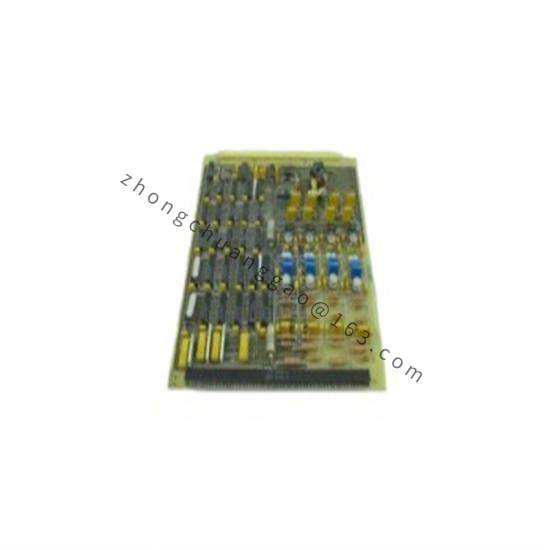
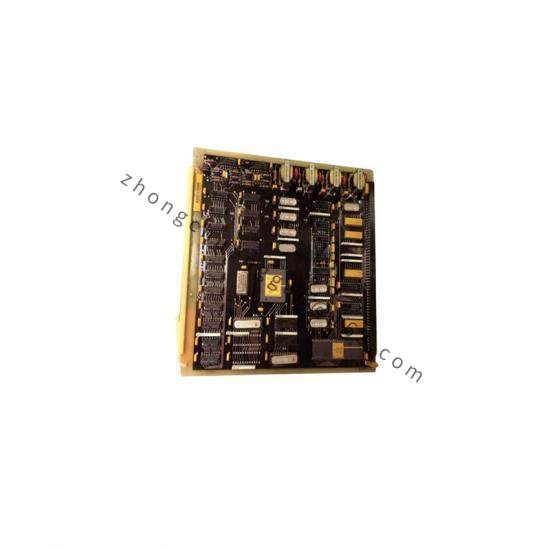
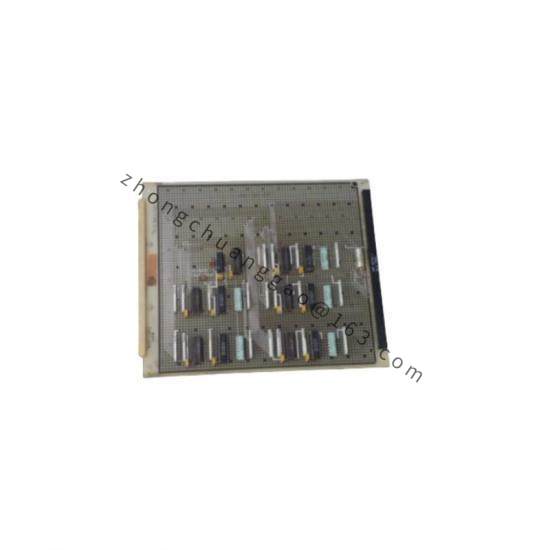
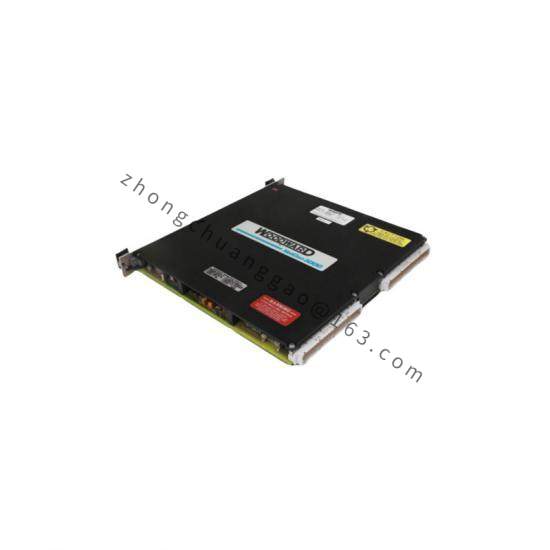
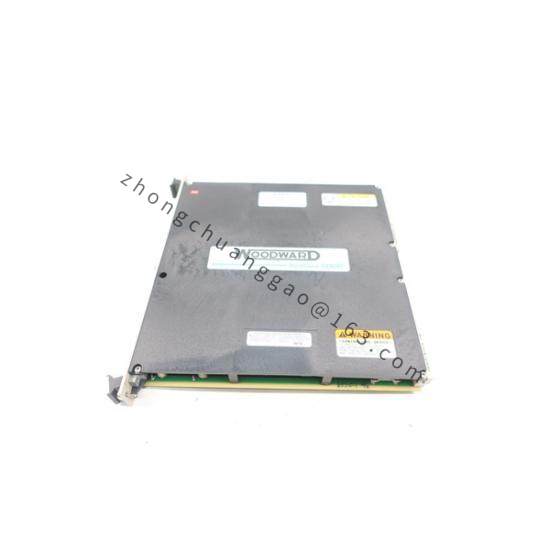
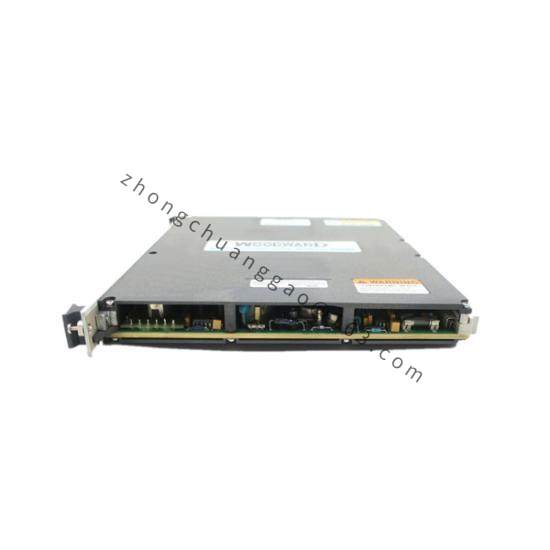
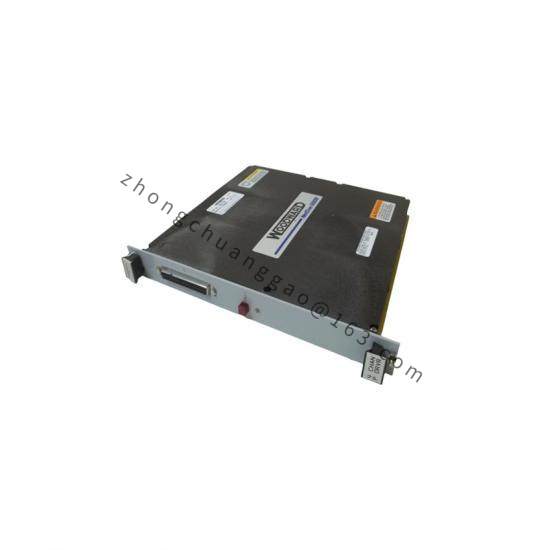
Product Overview:​ The 8915-489 belongs to Woodward’s DSLC product family of digital synchronizers and load control modules. Based on the DSLC series architecture (exemplified by the related 8915-948 model), it serves as the primary intelligence hub for paralleling single or multiple engine-driven generators with a main utility bus or with each other, integrating automatic phase matching, voltage calibration, breaker closing logic, and kW/kVAR load sharing into a single robust unit — eliminating the need for complex, multi-relay synchronizing panels. It is designed for microgrid management, combined heat and power plants, and critical emergency power networks.
Detailed content

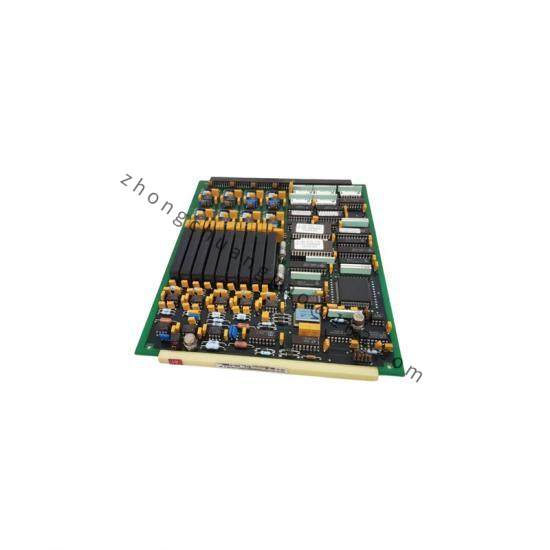
Technical Specifications:​ Based on the DSLC series architecture:
  • Manufacturer: Woodward, Inc.
  • Product family: DSLC (Digital Synchronizer and Load Control)
  • Working voltage: 18–32 Vdc nominal (24 Vdc industrial standard)
  • Input voltage range: 20 to 30 Vdc
  • Output voltage range: 0 to 10 Vdc
  • Output power: 10 W
  • PT input: configurable 100–120 VAC / 200–240 VAC direct sensing (bus and generator)
  • CT input: 5 A or 1 A secondary rated CT input
  • Network interface: Echelon LonWorks inter-module communication network
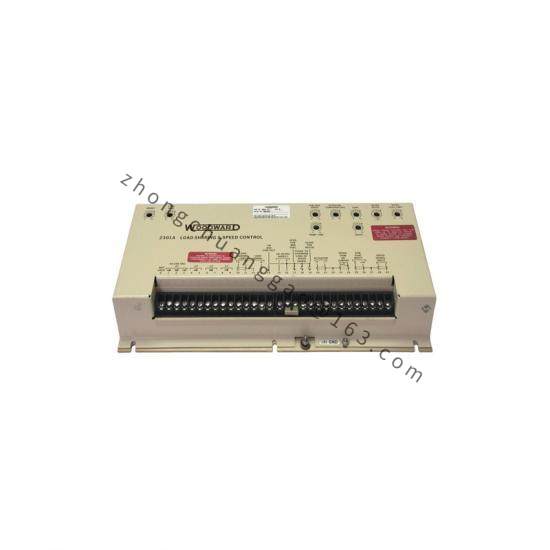
  • System compatibility: Woodward 2301A, 723, 505 series, and standard speed bias interface controls
  • Protection: overload protection, short-circuit protection, EMI/RFI protection
  • Certification: CE, RoHS
  • Operating temperature: –40 to +70 °C (–40 to +158 °F)
Functional Features:
  • Automatic synchronization with zero phase angle error breaker closing
  • kW/kVAR load sharing with smooth active power (kW) ramp rate and stable reactive power (kVAR) distribution
  • Process I/O control and voltage matching
  • Seamless communication via integrated Echelon network bus, transmitting real-time load telemetry to other DSLC units or Woodward MSLC Master Synchronizer and Load Controller
  • Eliminates complex multi-relay synchronizing panels
  • Monitors bus and generator voltage (PT) and current (CT) signals to automatically calculate phase difference and control breaker closing logic
Application Scenarios:
  • Microgrid management
  • Combined heat and power (CHP) plants
  • Critical emergency power networks
  • Multi-unit parallel generation synchronization control
  • CHP and peak-shaving plants: controlling grid import/export power levels while maintaining stable speed and voltage references
Working Principle:​ The module monitors the bus and generator voltage (via PT input) and current (via CT input) signals, automatically calculating phase difference and performing matching. It controls breaker closing logic while executing internal algorithms to achieve balanced load distribution of active and reactive power among multiple generator sets. Modules exchange real-time data via the Echelon network bus to realize coordinated control.
Installation Requirements:​ Install in a control cabinet or panel per Woodward DSLC guidelines. Provide stable 18–32 Vdc power (24 Vdc nominal). Connect PT inputs for bus and generator voltage sensing (configurable 100–120 VAC or 200–240 VAC). Connect CT inputs (5 A or 1 A secondary). Ensure proper shielding and grounding for the Echelon LonWorks network bus. Maintain operating temperature within –40 to +70 °C.
Usage Notes:​ Verify PT/CT ratios are correctly configured before paralleling operations. Ensure the Echelon network bus is properly terminated and grounded to prevent communication errors. The module provides overload, short-circuit, and EMI/RFI protection — however, system-level protective relays must still be implemented per the overall power system design. Use Woodward-compatible controls (2301A, 723, 505 series) for full functional integration.

You may also like