
Digital guide

You are here:

Woodward 8915-123

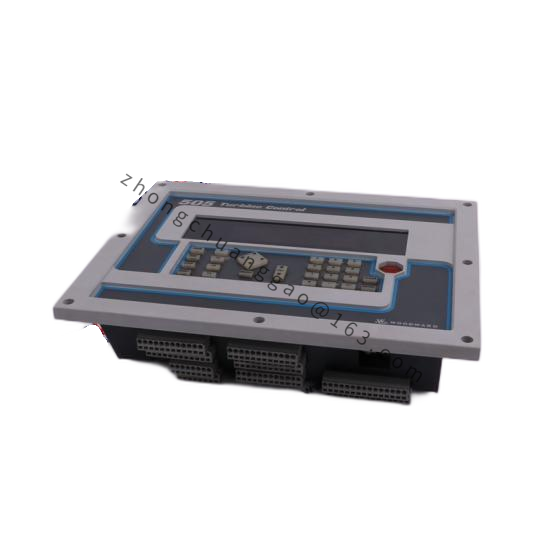
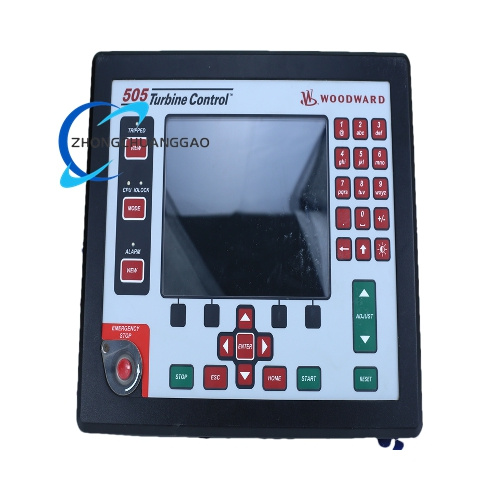
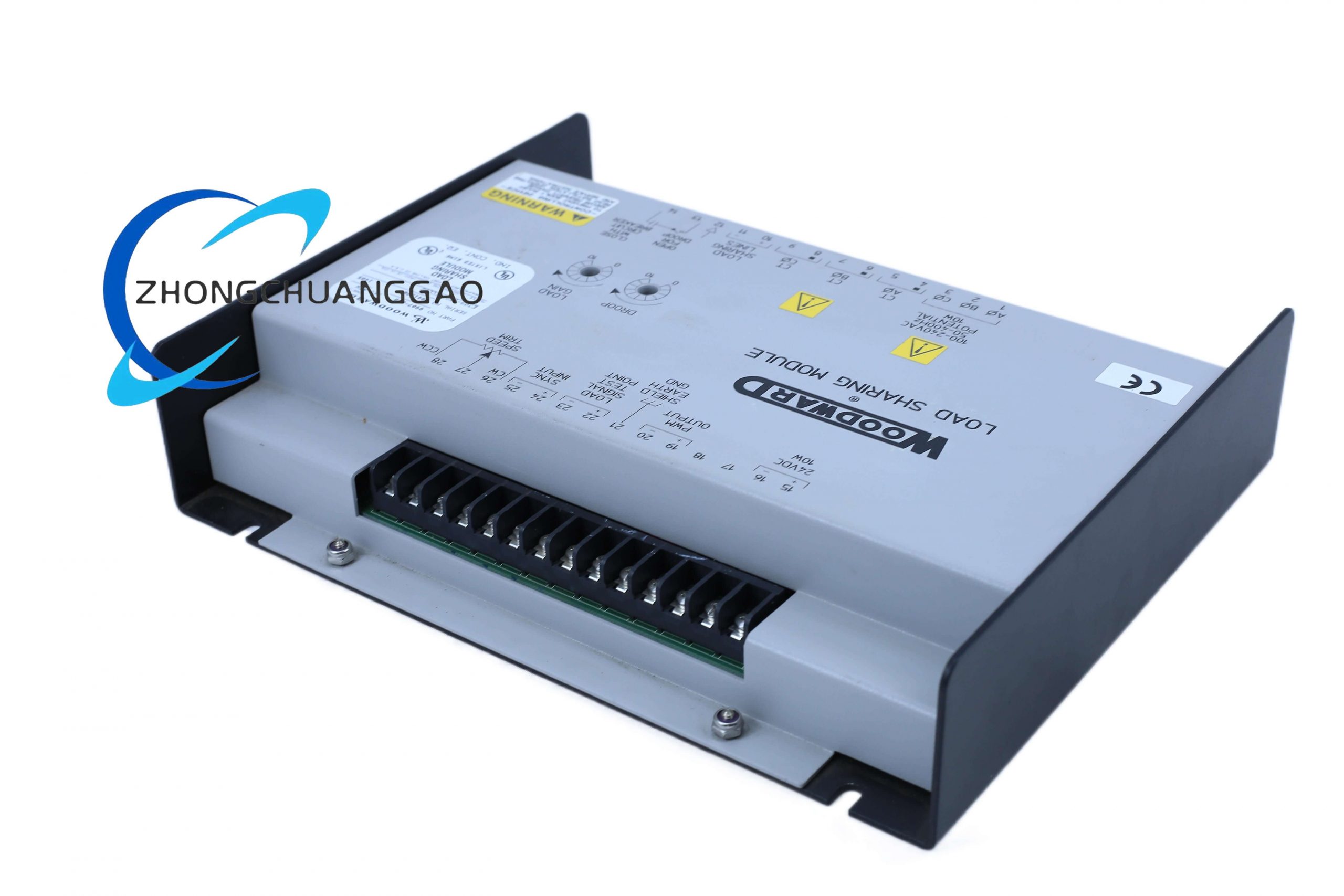
Product Overview:​ 8915-123 is a high-performance digital microprocessor-based controller module manufactured by Woodward. It is primarily used for displaying and controlling the operating status and parameters of steam turbines. Its core function includes controlling turbine start-up, shutdown, acceleration, and deceleration operations by driving single or double extraction-stage actuators to operate steam inlet valves, thereby achieving speed and load control of turbine compressors. It is part of the Woodward 505/505E turbine control platform family.
Detailed content

Technical Specifications:
  • Input Voltage: 24 Vdc (or as specified by system)
  • Working Frequency: 50 Hz
  • Processing Speed: 50 MHz
  • Program Capacity & Data Capacity: 53 MB each
  • Operating Temperature: 0°C to 60°C (some models support -20°C to +60°C)
  • Storage Temperature: -40°C to +85°C
  • Environmental Humidity: 60% (non-condensing)
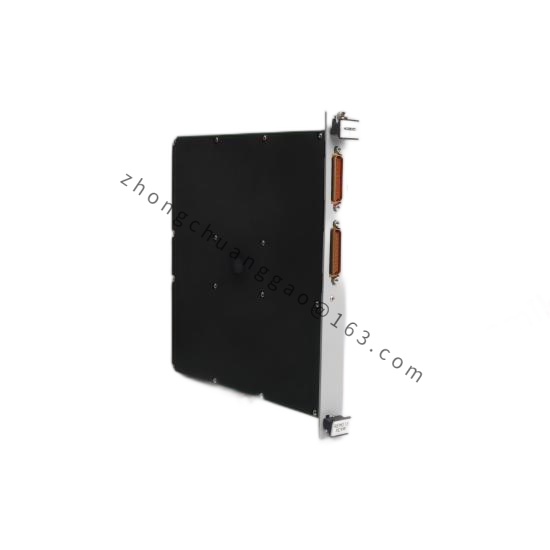
  • Physical Form: Modular structure, control room installation
  • Weight: ~6.5 kg (approximately 9.11 lb / 4.13 kg per alternative source)
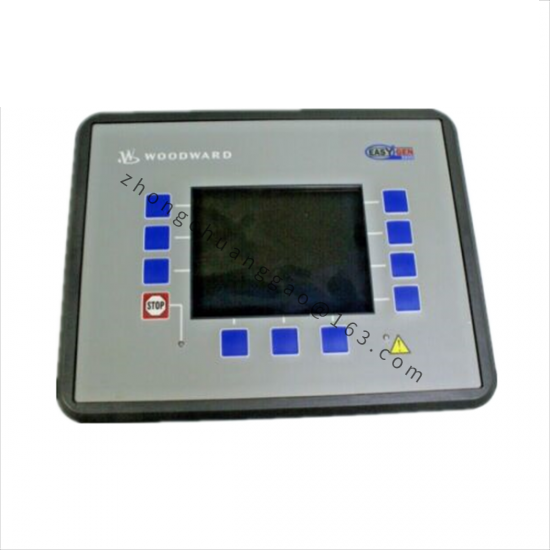
  • Display: Two-line × 24-character LED text display (integrated operator control panel)
  • Keyboard: 30-key multifunction keypad
  • Inputs: 16 contact inputs (4 fixed + 12 programmable); 6 programmable current inputs (4–20 mA)
  • Outputs: 2 actuator outputs, 8 relay outputs, 6 programmable current outputs
  • Communication Interfaces: RS-232, RS-422, RS-485 (independent ports)
  • Software: OpView™ and 505View for parameter configuration, monitoring, and fault diagnosis
  • Safety Standard: Complies with SIL 2/3 depending on system design
  • Installation: Rack-mounted or modular installation
Functional Features:
  • Menu-driven software with integrated operator control panel for intuitive operation and easy maintenance
  • Triple independent overspeed protection logic providing multiple layers of safety
  • Supports speed control, load control, and isochronous (synchronous) control modes
  • Real-time data monitoring and fault diagnosis: self-diagnosis monitors turbine performance data (speed, temperature, pressure) and triggers alarms
  • Programmable: supports on-site programming and flexible configuration through integrated operator control panel
  • Critical speed avoidance and valve limiter functions ensure stable system operation
  • Redundant Ethernet communication ports built-in
  • Compatible with major DCS/PLC systems via Modbus and other protocols
  • Optional Modbus® serial communication
Application Scenarios:​ Speed and load control of industrial steam turbines, steam turbines, utility turbo-generators, and turboexpanders; single extraction and/or admission turbine applications; on-site programming for different operating conditions; integration with DCS, PLC, and other host systems for remote monitoring.
Industry Sectors:​ Oil & gas, petrochemical, chemical processing, metallurgy, paper & printing, power generation, transmission & distribution, water conservancy/water treatment, and municipal boiler heating.
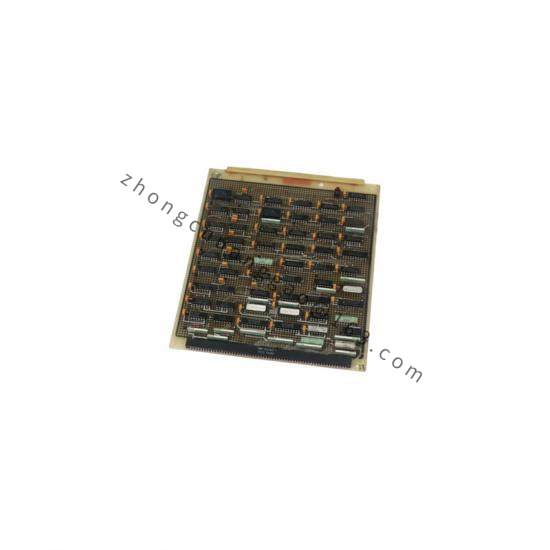
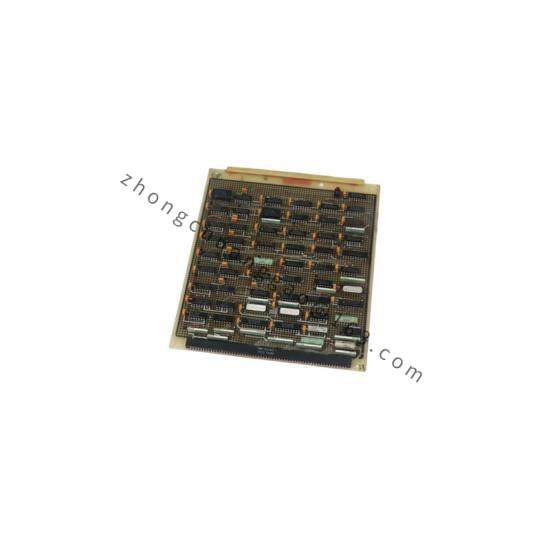
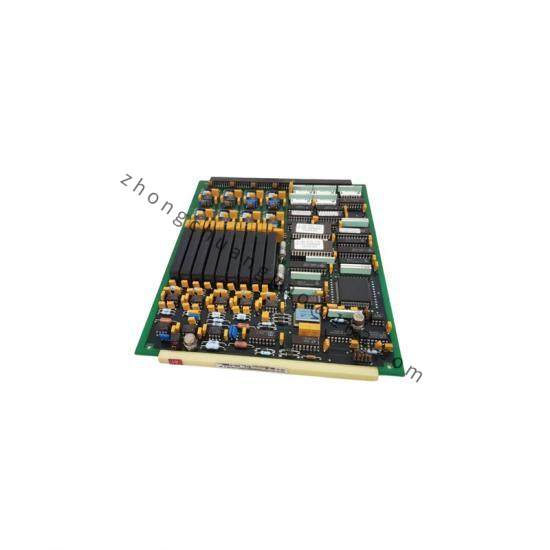
Material & Construction:​ The device consists of a series of printed circuit boards, installed in an enclosure that can be safely integrated into a control panel system. Modular design for control room installation.
Operating Modes:
  • Programming Mode: Used for internal configuration and operation method settings
  • Running Mode: Automatic control according to configured program
Working Principle:​ The microprocessor-based controller receives signals from speed sensors, pressure transducers, and other field devices. Through high-precision algorithms, it executes complex control logic including critical speed avoidance and valve position limiting. It drives single or double extraction-stage actuators to operate steam inlet valves, regulating turbine speed and load. The triple independent overspeed protection logic provides multiple safety layers. Real-time self-diagnosis monitors performance data and triggers alarms on fault detection.
Installation Requirements:
  • Rack-mounted or modular installation in control room environment
  • Ensure ambient temperature 0°C to 60°C and humidity ≤60% non-condensing
  • Provide 24 Vdc power supply per system specification
  • Connect communication interfaces (RS-232/422/485, Ethernet) using proper industrial cabling
  • Wire inputs/outputs according to Woodward 505/505E system configuration
Usage Precautions:
  • Operate within specified temperature and voltage ranges
  • Perform periodic inspection of I/O connections and communication integrity
  • Use OpView™ or 505View software for monitoring, fault diagnosis, and parameter adjustment
  • Follow Woodward-recommended maintenance schedule
  • Ensure proper grounding and EMC compliance per system design

You may also like