Technical Specifications
- Manufacturer: TOSHIBA
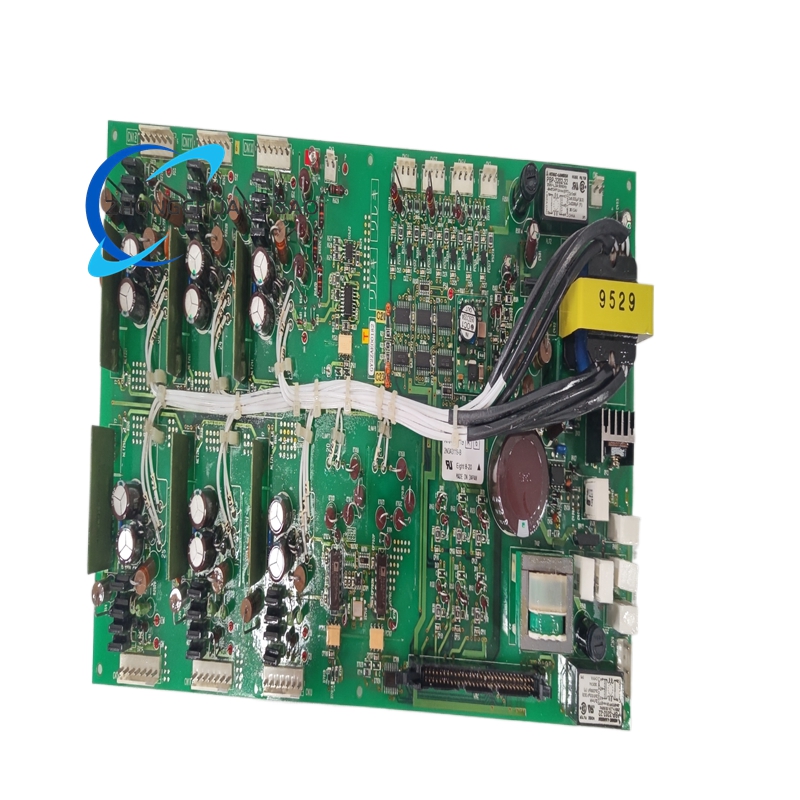
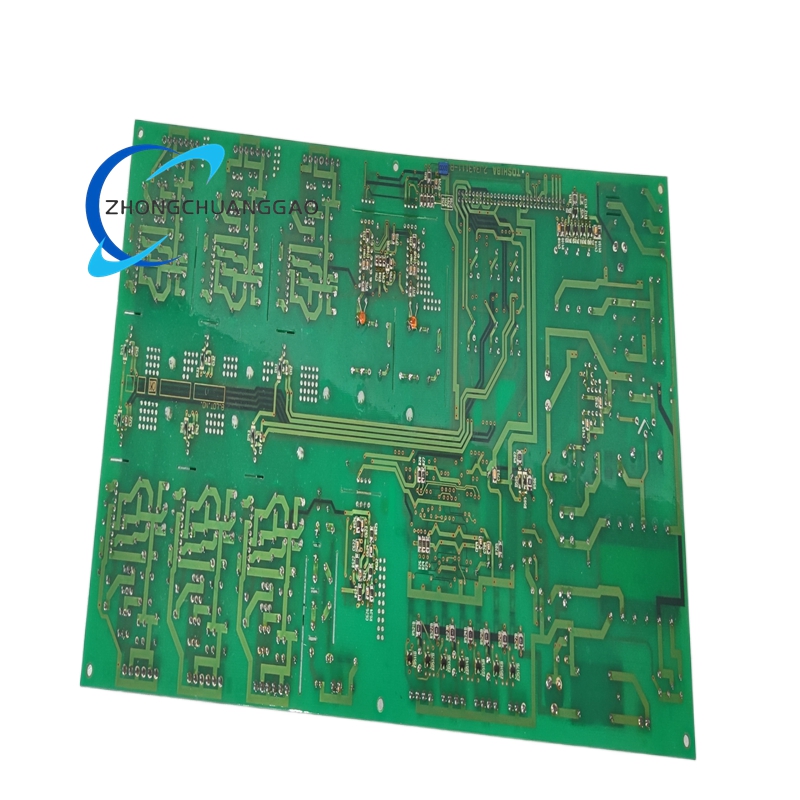
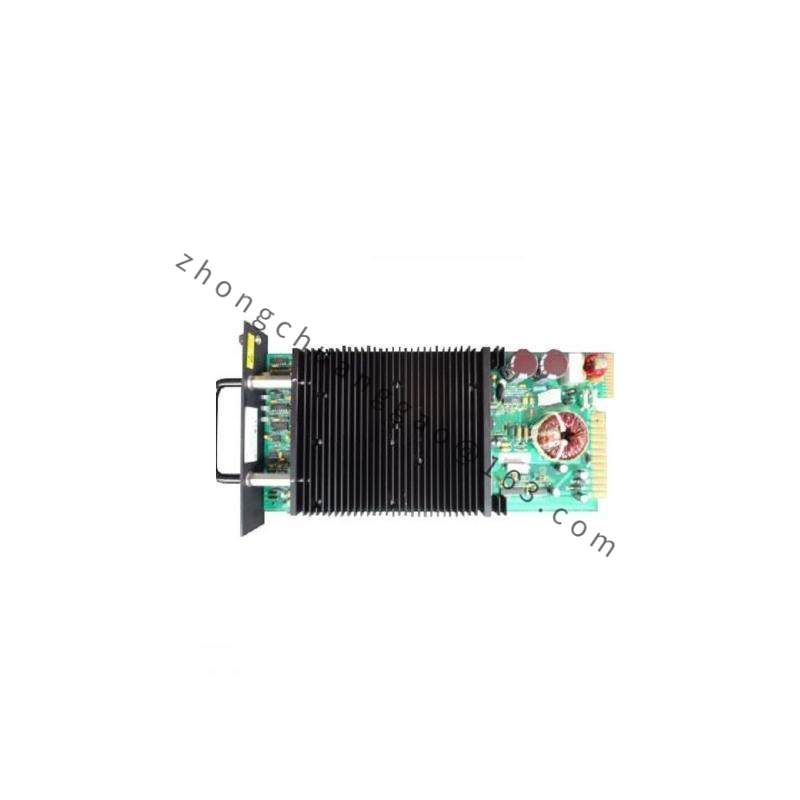
- Board type: assembly controller board
- Target platform: ARND-3110 inverter/Variable Frequency Drive
- Function: control-signal coordination, PWM gate-drive interface, feedback processing, fault detection
- Interface: main-CPU bus, gate-driver interface, current/voltage/temperature feedback, internal fault bus
- Form factor: plug-in PCB assembly
- Operating environment: industrial drive cabinet, IEC 61800-compliant drive systems
- Typical board weight: approximately 400 g
- Origin: Toshiba OEM drive component supply
Functional Features
Direct OEM replacement preserves drive firmware and parameter structure. The board processes speed and torque commands, generates PWM patterns, supervises overcurrent/overvoltage/overtemperature trips and reports faults to the drive controller. Verified board exchange reduces full-drive replacement cost.
Material Composition
The assembly uses FR4 multilayer board, surface-mount ICs, connector headers, film/ceramic capacitors, optocouplers, gate-drive components and conformal protection where the drive design requires it.
Structural Characteristics
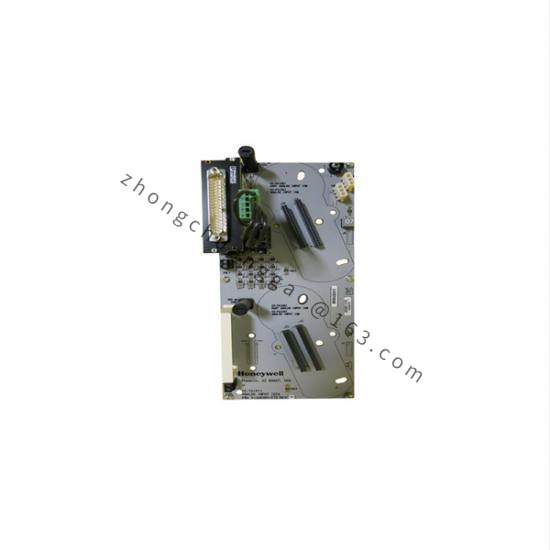
The PCB carries the control microprocessor section, analog/digital feedback conditioning, gate-drive buffering, status indicators and edge connectors. It mates with the ARND-3110 control rack and gate-driver boards through fixed connectors.
Working Principle
The main drive CPU sends speed, torque and enable commands to the controller board. The board conditions motor feedback signals, calculates PWM timing and sends gate signals to IGBT drivers. It continuously monitors dc-link voltage, output current and heatsink temperature. When a fault limit is reached, it initiates trip signals and returns diagnostic status to the main controller.
Installation Requirements
Remove ac supply and lock out the drive before service. Discharge dc-link capacitors. Handle the board with ESD protection. Seat all connectors fully and verify screw fixation. Confirm ARND-3110 model and firmware revision before energizing.
Usage Notes
Use the board only for ARND-3110 platforms. Do not modify jumper, firmware or component settings without Toshiba documentation. After replacement, perform no-load and loaded drive self-test. Inspect cooling fans, dc-link terminals and IGBT gate wiring before returning the drive to production.