Technical Specifications
Input Voltage
115/230 VAC selectable according to the module configuration and nameplate.
Protection Class
IP20 for indoor cabinet installation.
Operating Temperature
Indoor industrial temperature range according to the installed variant and Reliance documentation.
Compliance
CE and UL according to the supplied certification documents.
Mounting Format
DIN-rail or panel mounting according to the specific package and accessory kit.
Functional Features
Wide Input Compatibility
Supports 115 VAC and 230 VAC site power configurations where the nameplate permits selection.
Stable Output Regulation
Delivers regulated voltage to connected control circuits, reducing voltage fluctuation effects on automation hardware.
Industrial Protection
Provides IP20 enclosure protection, overcurrent protection and short-circuit protection according to the approved configuration.
Status Indication
Includes power and fault indication where fitted, enabling rapid visual checks during maintenance.
Application Scenarios
PLC Control Cabinets
Supplies power to processors, I/O modules, communication interfaces and operator devices.
Industrial Automation Lines
Provides stable auxiliary power for sensors, relays, solenoids and small actuators.
Drive And Motion Systems
Supports control-side electronics for motor drives where separate power stages are used.
Performance Parameters
Load Regulation
Output voltage remains within the module’s declared regulation band from no-load to rated load.
Efficiency
Operating efficiency depends on input voltage, output load and ambient temperature stated in the Reliance data sheet.
Reliability
Designed for continuous cabinet operation with filtered ventilation and correct derating.
Structural Features
Housing
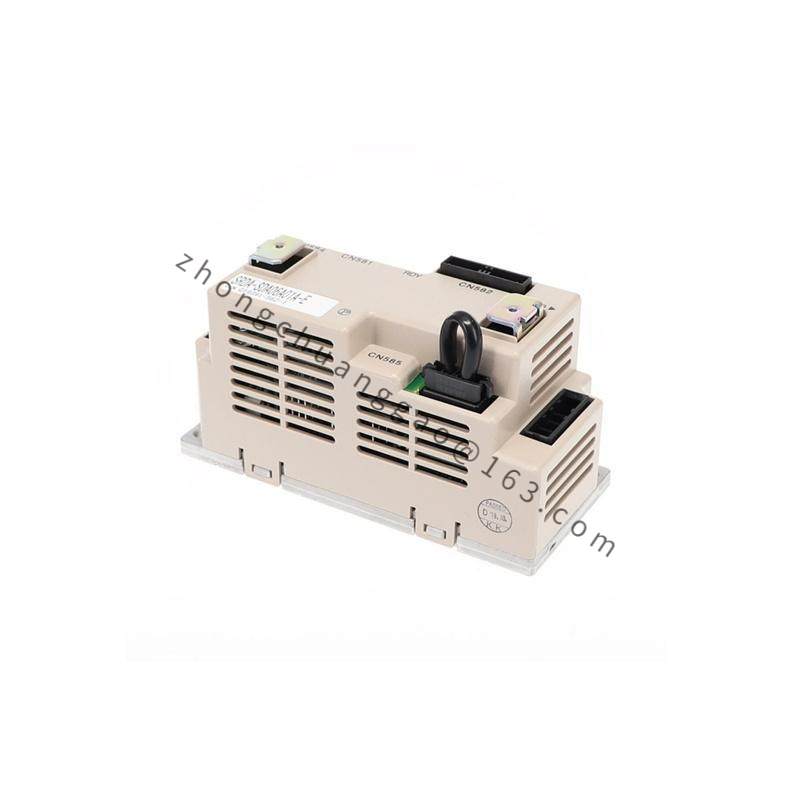
Sheet-steel or molded industrial enclosure with vent openings according to variant.
Terminal Section
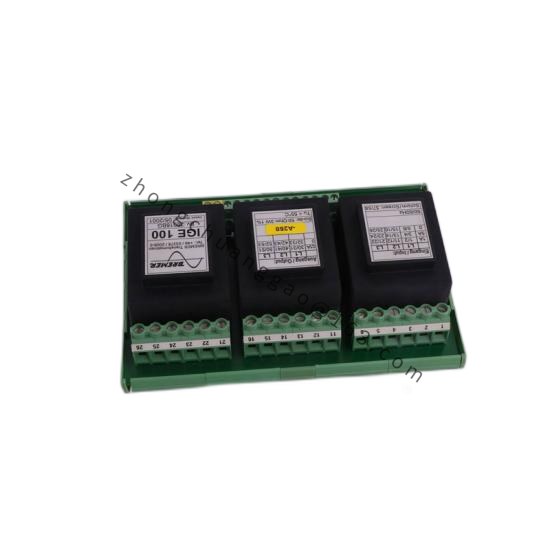
Screw or spring terminals for AC input, DC output and protective earth.
Indicator Section
LED or mechanical indicators for input power and output status where fitted.
Material Composition
Enclosure
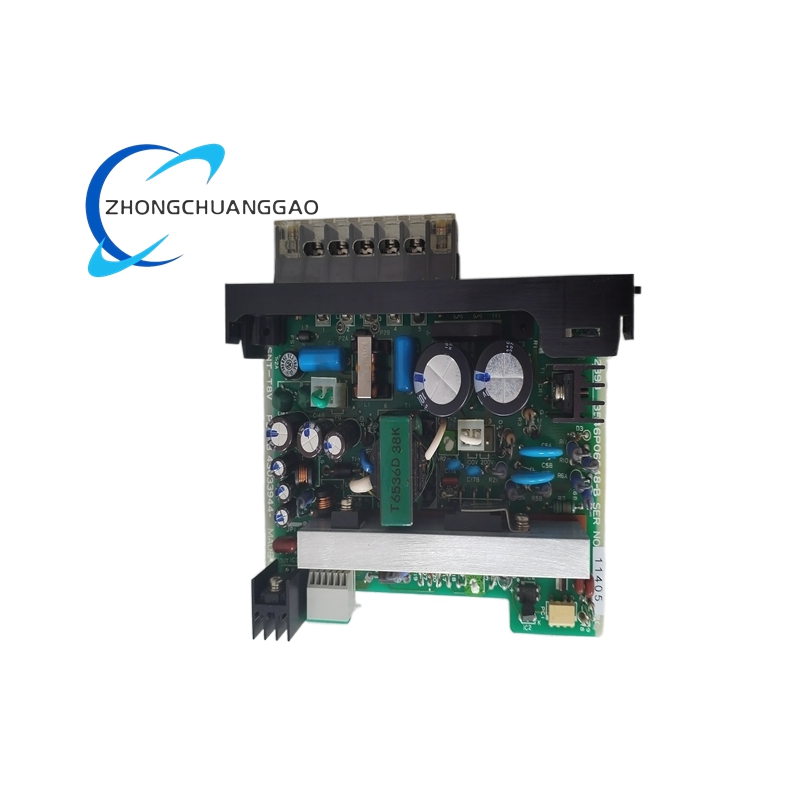
Coated steel or flame-retardant thermoplastic according to the specific 45C922 package.
PCB
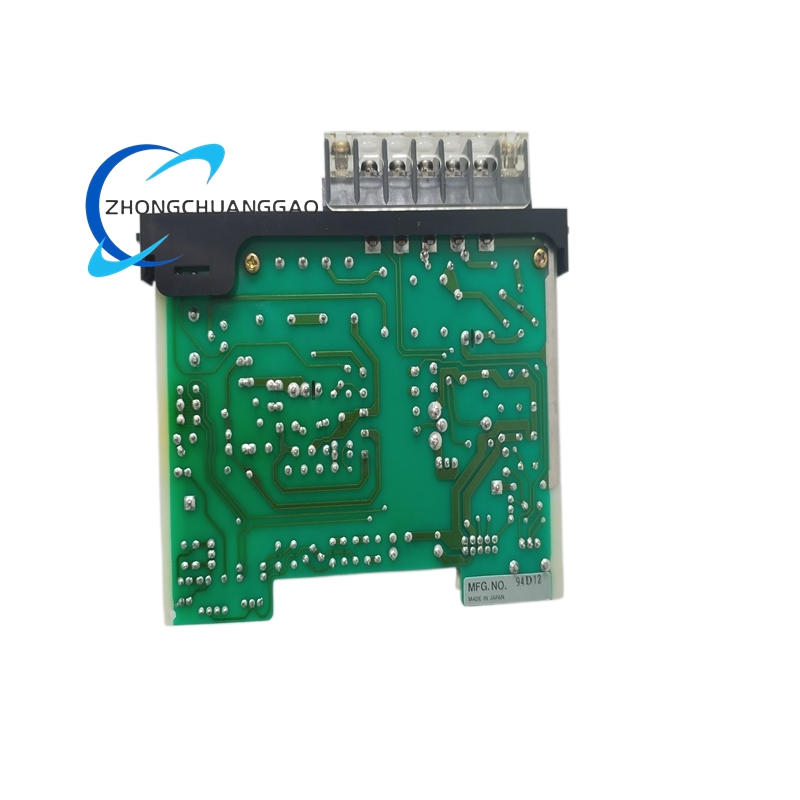
Industrial-grade printed circuit board with conformal coating where required.
Power Components
Transformers, rectifiers, capacitors and regulation semiconductors selected for continuous-duty industrial loads.
Terminals
Tin-plated copper alloy contacts with strain-relieved cable entries.
Working Principle
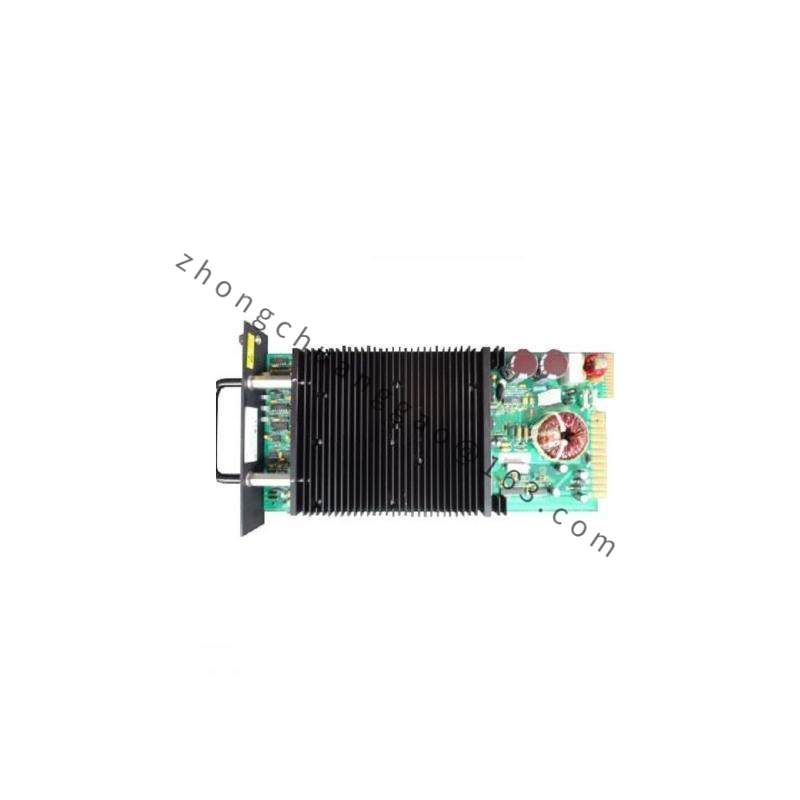
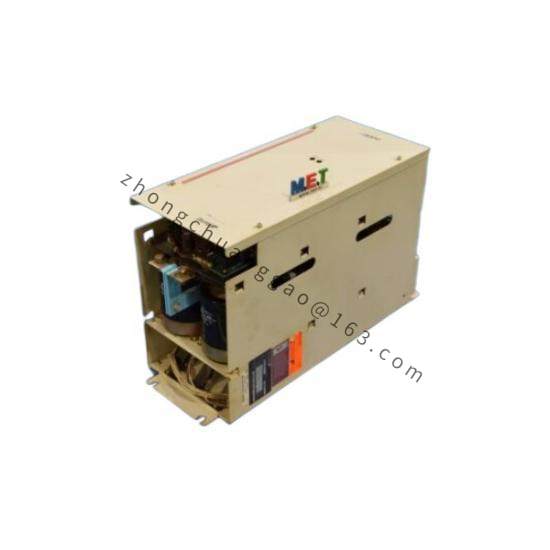
The module receives 115/230 VAC input, performs voltage step-down or conversion, rectifies and filters the supply, regulates the output to the required DC level, and monitors load current. Protection circuits disconnect or limit output during overload, short circuit or overtemperature conditions, then restore normal operation according to the reset and auto-recovery configuration.
Installation Requirements
De-energize the cabinet before installation. Confirm the input voltage selector matches the site supply. Mount the module in a dry, ventilated enclosure with clearance for heat dissipation. Separate AC power wiring from low-voltage signal wiring. Connect protective earth before applying load. Verify output polarity and voltage with a calibrated meter before connecting automation equipment.
Usage Precautions
Do not apply voltage outside the 115/230 VAC nameplate range. Do not operate in open, wet or dusty environments below IP20 requirements. Do not exceed the rated output current. Replace the module if overheating, burning odor, intermittent output or insulation damage occurs. Use only Reliance-approved replacement parts and perform insulation checks after any electrical fault.