MKS 979B-01-0013
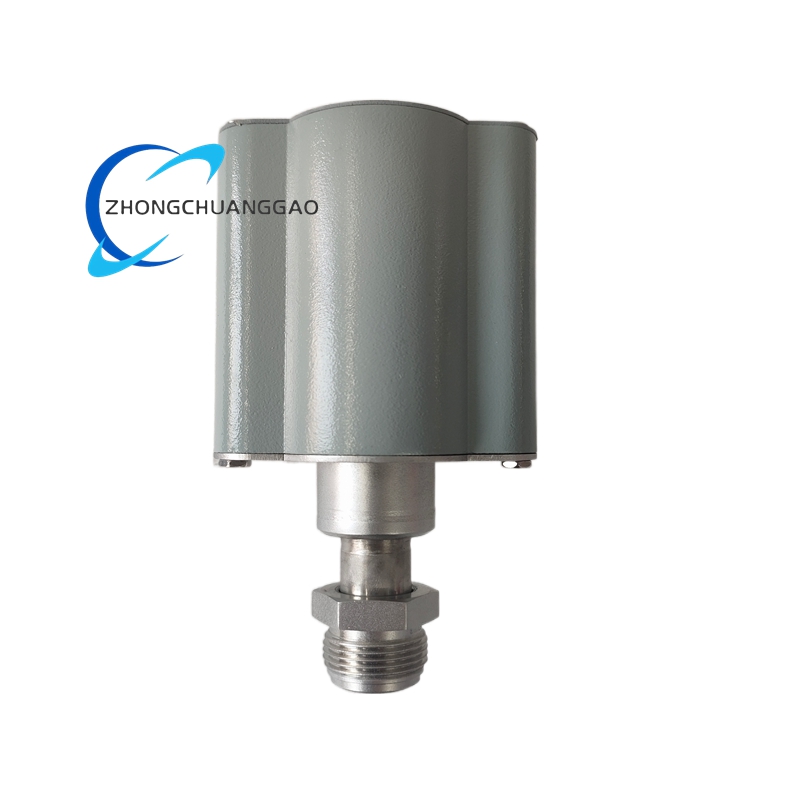
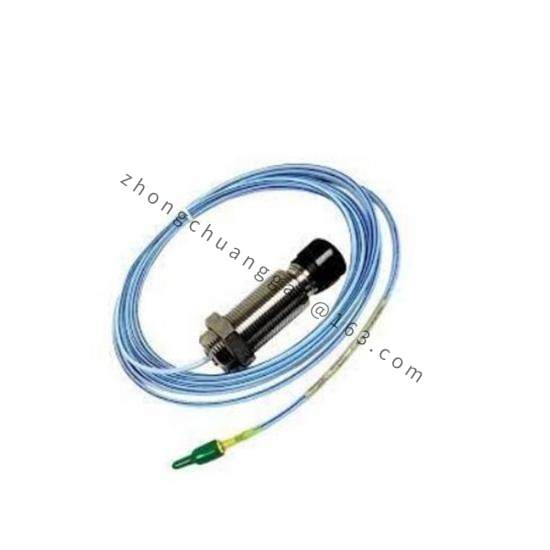
Product Name: Baratron Capacitance Manometer / Absolute Pressure Transducer
Product Introduction: The 979B series device measures absolute pressure with a capacitance diaphragm sensor. It is used where gas-composition-independent vacuum or process-pressure measurement is required, especially semiconductor and thin-film applications. Exact full scale, output and process fitting depend on the 979B option suffix.
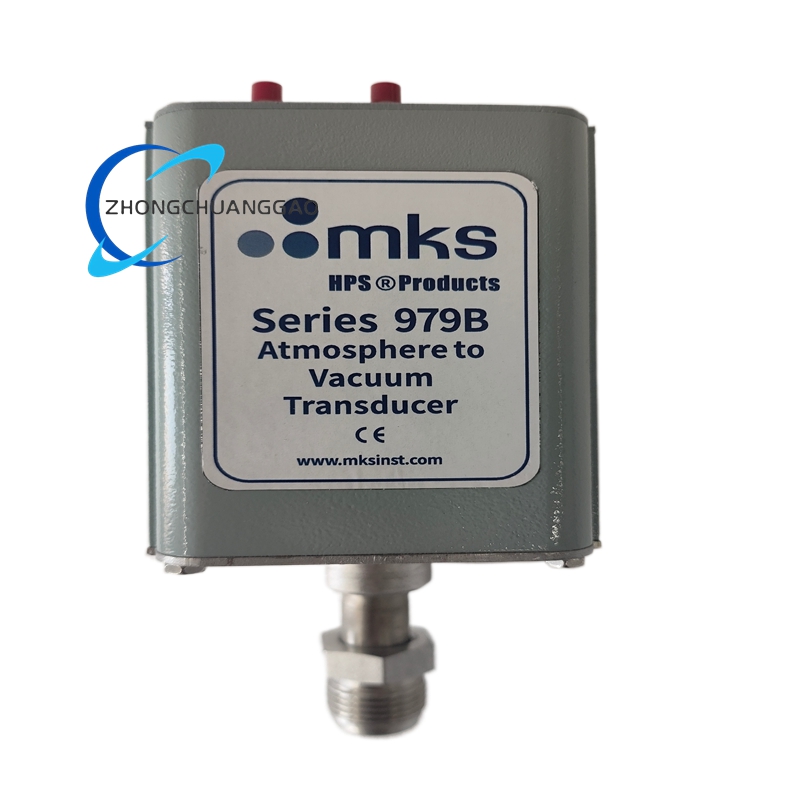
Detailed content
Technical Specifications:
- Measurement Principle: Capacitance diaphragm, absolute reference
- Pressure Type: Absolute pressure
- Typical Accuracy: Approximately ±0.25% of reading for universal 979B industrial configurations; selected ranges/options can provide tighter performance
- Output Options: 0-5 V, 0-10 V or 4-20 mA depending on configured electronics;verify suffix on nameplate
- Range Options: 979B family covers low vacuum to higher industrial vacuum/atmospheric spans; common examples include 0-10 Torr, 0-100 Torr and 0-1000 Torr, but 979B-01-0013 must be confirmed from the unit label
- Process Connection: VCR, KF or NPT according to ordered configuration
- Electrical Connection: D-sub, M12 or dedicated gauge connector per electronics option
- Supply: ±15 V DC, +24 V DC or specified controller supply according to output/electronics version
- Operating Temperature: Electronic/environment typically 0-50°C or 10-50°C by controller/class; sensor head tolerates higher process temperatures per model
- Response Time: Sub-100 ms typical for many 979B configurations; faster for low-range diaphragm versions
Functional Features:
- Gas Independence: Capacitance measurement reacts to absolute pressure, not gas type
- Long-Term Stability: Low zero drift for sustained vacuum control
- Corrosion-Resistant Build Options: Enhanced wetted materials for CVD/etch chemistries
- Controller Integration: Compatible with MKS Baratron readouts/controllers and DCS analog input
Application Scenarios:
- Semiconductor Fabrication: CVD, PVD, ALD, plasma etch and ion implant chamber pressure
- Vacuum Coating: Optical, solar and display thin-film processes
- Research Vacuum Systems: Leak detection, mass spectrometry and laboratory chambers
- Industrial Furnaces: Controlled-atmosphere and vacuum heat-treatment pressure loops
Structural Characteristics:
- Sensor Head: Metal diaphragm assembly, often stainless steel wetted parts; nickel or alloy diaphragm according to range
- Housing: Industrial gauge body with process port and electrical connector
- Reference Side: Sealed vacuum reference for absolute measurement
Working Principle: Process pressure deflects a thin diaphragm that forms one plate of a capacitor. The opposing fixed electrode senses capacitance change; signal electronics convert the change into linear voltage or current proportional to absolute pressure. Because the reference cavity is fixed vacuum, output is independent of gas composition.
Installation Requirements:
- Use correct VCR/KF/NPT torque values and clean gaskets.
- Orient the sensor per MKS instruction; avoid direct heat radiation onto electronics.
- Provide stable supply voltage and shielded analog cable with single-point grounding.
- Allow warm-up and zero check under high vacuum before process use.
Usage Precautions:
- Do not exceed the nameplate full scale or overpressure rating.
- Do not insert tools or contaminants into the process port.
- Do not use where sensor material is incompatible with aggressive process chemistry without confirmed corrosion-resistant option.
- Perform periodic zero calibration and leak testing; recalibrate against traceable standards.