Technical Specifications
Power-module configuration:
Input voltage: 115 VAC or 230 VAC
Output voltage: 24 VDC
Output current: 41.7 A
Output power: 1000 W
Efficiency: 95 percent
Dimensions: 260 × 127 × 63 mm
Weight: 3.2 kg
Operating temperature: -20 to +60 °C
Humidity: 5 to 95 percent, non-condensing
Control or I/O configuration:
Module type: DCS/PLC I/O or control module according to system documentation
Diagnostics: onboard LED status indication and online fault display
Interference immunity: hardware filtering and watchdog protection
Operating temperature: -20 to +60 °C
Humidity: 5 to 95 percent, non-condensing
Mean time between failures: 30,000 hours typical according to supplier documentation
Mounting: DIN rail or backplane according to rack type
Functional Features
Power configuration delivers regulated 24 VDC with fault protection
Control configuration executes signal acquisition, logic operations and output commands
Hardware filtering reduces electromagnetic interference effects
LED diagnostics support rapid fault location
Modular design enables direct replacement in automation racks
Compatibility with complex DCS and PLC system architectures
Application Scenarios
Semiconductor manufacturing and cleanroom power distribution
Electronic manufacturing, laser processing and test equipment
Thermal power auxiliary control and coal-handling interlocks
Petrochemical valve feedback, level control and safety interlocks
Water treatment pumping control and sequential logic automation
Performance Parameters
Power module: 24 VDC output, 41.7 A continuous, 1000 W total capacity
Power module efficiency: 95 percent under rated input and load
Control module MTBF: 30,000 hours typical per supplier data
Diagnostic response: LED and software status reporting according to system configuration
Environmental performance: stable operation across -20 to +60 °C industrial range
Material Composition
Power version: metal or coated industrial enclosure, FR-4 power PCB, switching semiconductors, transformers, capacitors and DC output terminals
Control version: industrial multilayer FR-4 PCB, surface-mount logic and interface components, gold or tin-plated backplane contacts, plastic or metal mechanical bracket
Structural Characteristics
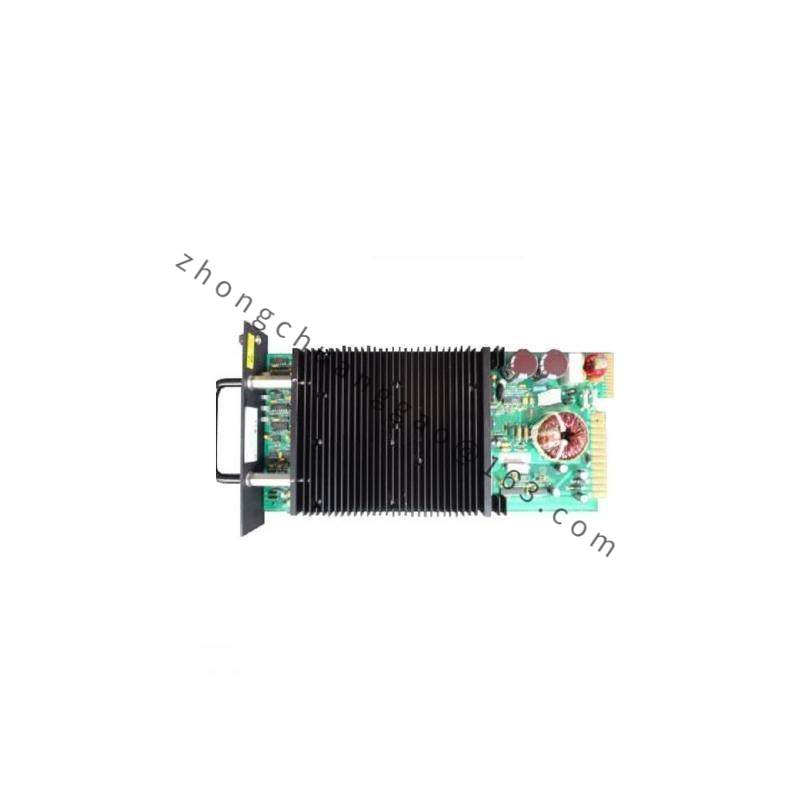
Power version: enclosed power supply with AC input terminals, DC output terminals and mounting holes or rail adapter
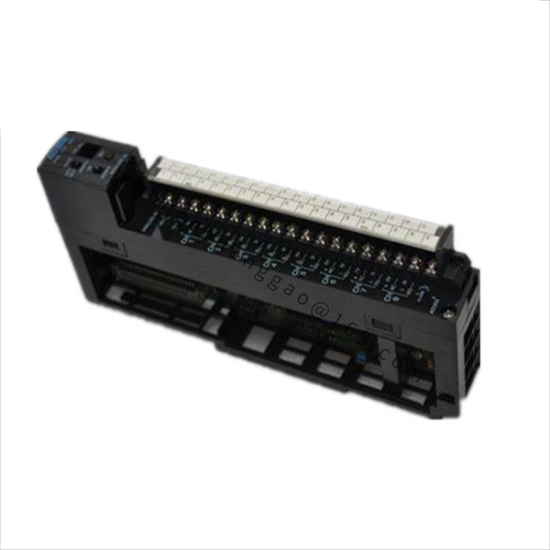
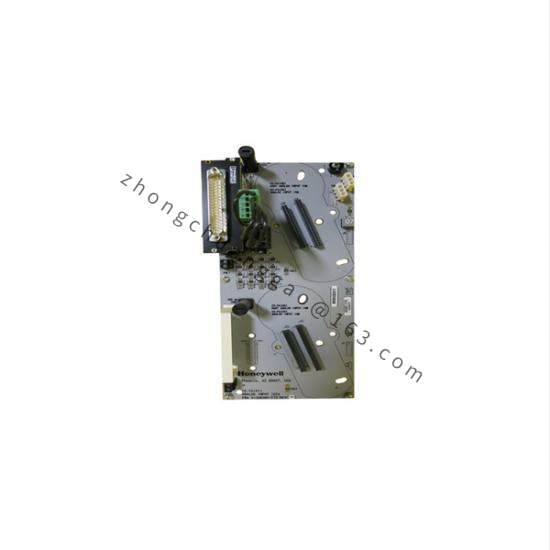
Control version: plugin card or rail module with backplane connector, field terminals and front status indicators
Both versions designed for cabinet installation with planned airflow and access clearance
Working Principle
Power version rectifies and regulates AC input into isolated 24 VDC output, using filtering and protection circuits to maintain voltage accuracy and fault isolation. Control version receives system power and field signals through its connector interface, processes inputs with onboard logic, executes control or I/O routines and returns output states to actuators or higher-level controllers.
Installation Requirements
Identify whether the unit is a power supply, I/O module or controller card before installation
Power version: connect 115 VAC or 230 VAC input according to nameplate, use 24 VDC cabling sized for 41.7 A
Control version: seat the module fully into the designated DIN rail or backplane slot
Verify grounding, earth bonding and surge protection before energizing
Maintain ventilation clearance and do not block status indicators
Usage Notes
Do not mix power-supply, I/O and drive configurations under the same part number without nameplate confirmation
Check output voltage with a calibrated meter before connecting loads
Monitor LED or software diagnostics after replacement
Keep ambient humidity non-condensing and avoid corrosive or explosive atmospheres unless explicitly rated
Isolate all sources before removing or servicing the module