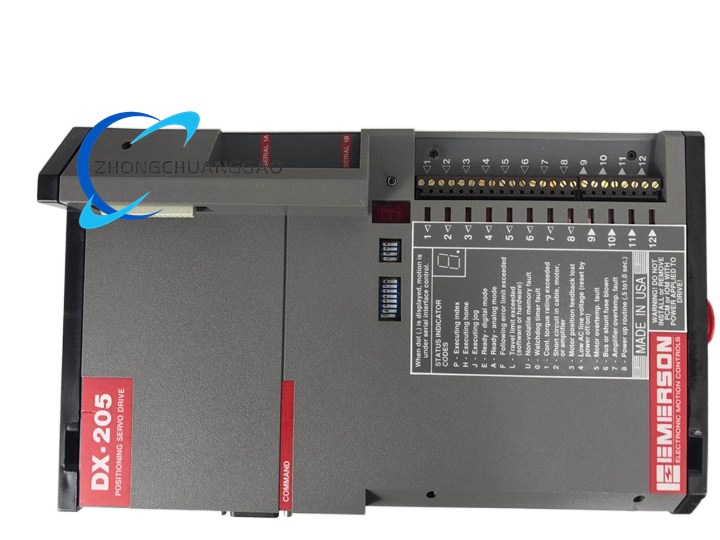
Technical Specifications
|
Parameter
|
I/O/Control Configuration
|
Ball-Screw Configuration
|
|
Type
|
Process interface/modular I/O
|
Single-lead internal-circulation ball screw
|
|
System compatibility
|
Valmet Damatic, Metso DNA
|
Metso crushers, feeders, heavy actuators
|
|
Signal/bus
|
Proprietary Valmet bus, backplane
|
Servo-motor rotary input, linear nut output
|
|
Operating temperature
|
-20 °C to 60 °C
|
-30 °C to 80 °C
|
|
Mechanical accuracy
|
Backplane diagnostic status
|
Repeat positioning ±0.01 mm
|
|
Load/rating
|
Rack power and I/O dependent
|
125 kN continuous, 180 kN impact
|
|
Material
|
FR4 PCB, gold fingers, metal/plastic housing
|
Alloy steel shaft, GCr15 balls, cast alloy nut
|
|
Mounting
|
Proprietary rack slot
|
Flange nut, keyway shaft end, coupling to servo
|
Functional Features
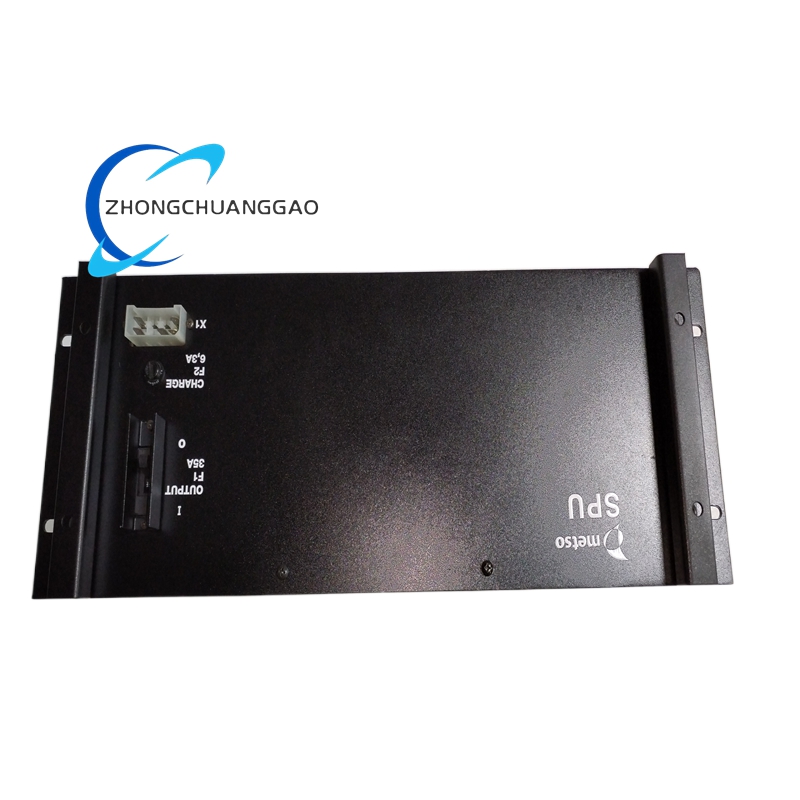
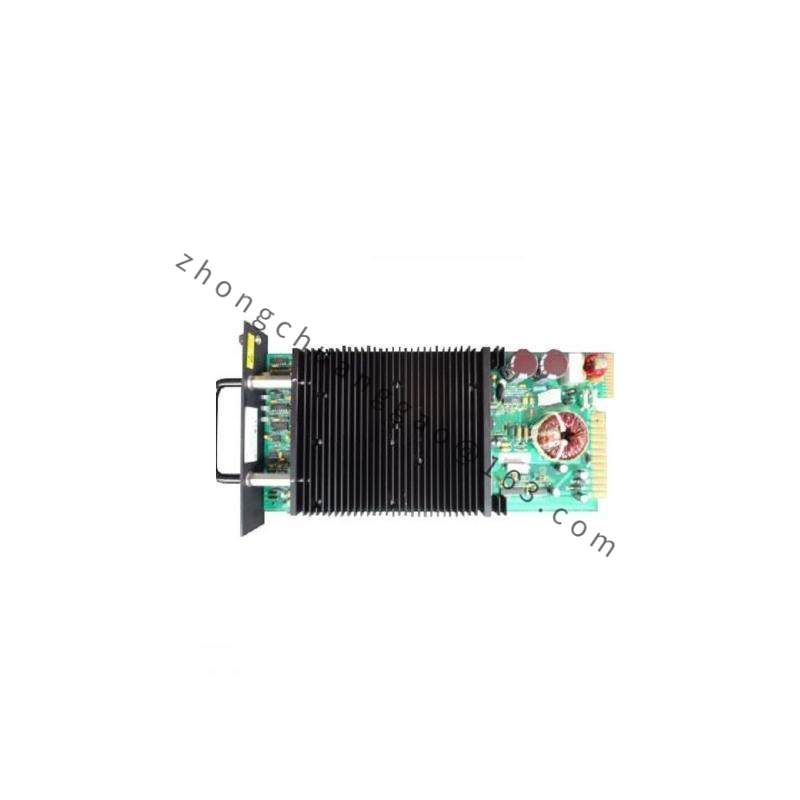
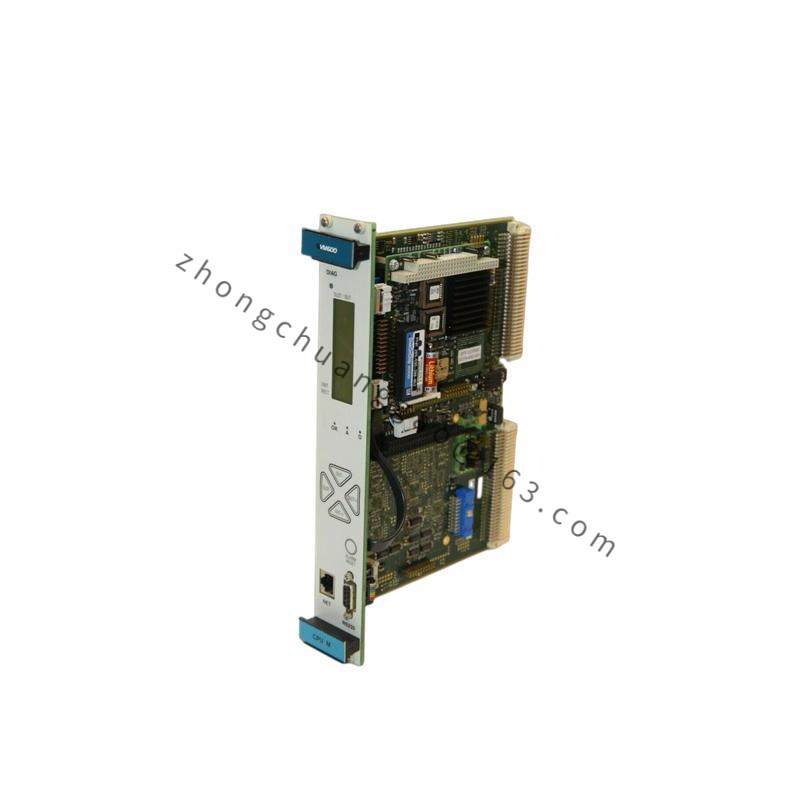
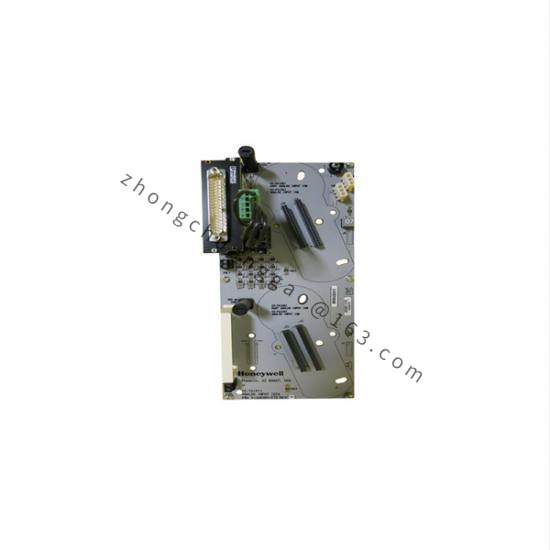
I/O configuration provides deterministic backplane communication, power-health LEDs and drop-in replacement for legacy racks. Ball-screw configuration provides zero-backlash double-nut preload, dust-proof seals, centralized lubrication and high mechanical efficiency up to 92 percent.
Application Scenarios
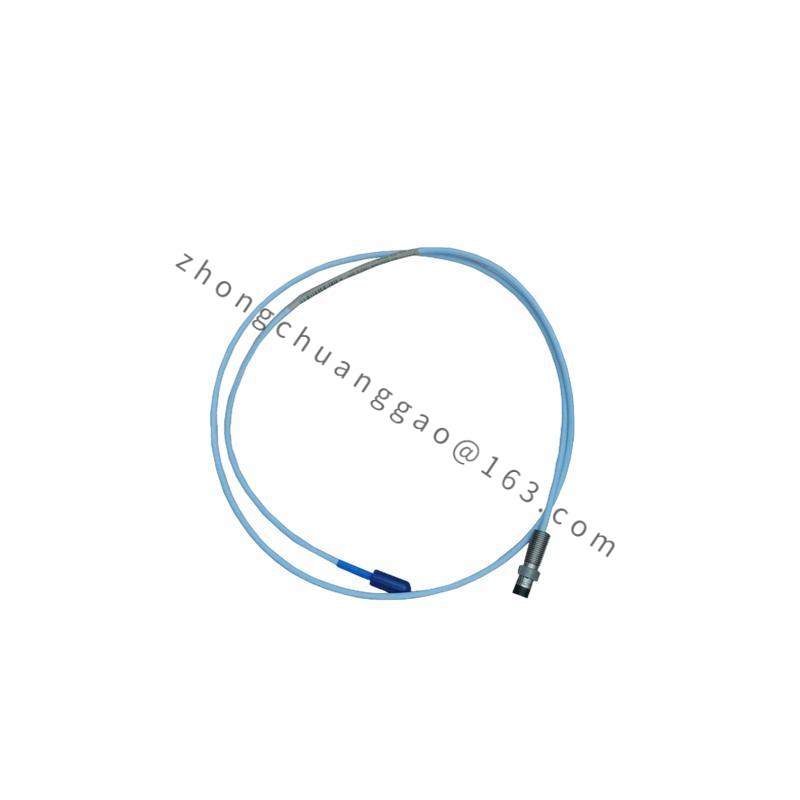
Electronic module serves pulp and paper machine control, power boiler auxiliaries, chemical process signal distribution and legacy DCS spare replacement. Ball-screw assembly serves cone crusher gap adjustment, jaw crusher stroke control, aggregate screening feeders, cement raw-material mills and metallurgical ore-handling equipment.
Performance Parameters
I/O backplane communication operates within heavy industrial temperature and vibration ratings. Ball-screw transmission efficiency reaches 92 percent maximum, lead pitch 10 mm standard, screw outer diameter 40 mm, nut outer diameter 78 mm, total assembly weight approximately 3.7 kg for standard 300 mm stroke versions, with custom stroke available.
Material Composition
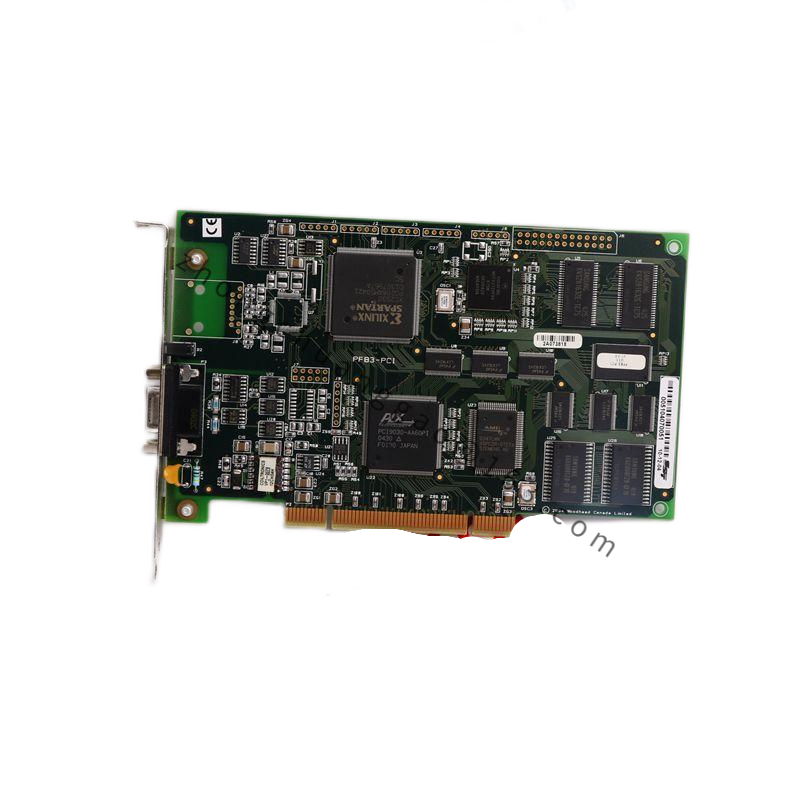
I/O card uses multilayer low-noise PCB, gold-plated edge connector, flame-retardant housing and optoisolators where fitted. Ball screw uses medium-carbon chromium-molybdenum alloy steel shaft with vacuum quench hardening, GCr15 bearing steel balls, cast alloy steel nut with high-frequency hardened raceway, stainless preload shims and nitrile/rubber-felt double dust seals.
Structural Characteristics
I/O card format includes card-edge connector, diagnostic LEDs and rack guide rails. Ball-screw format includes internal circulation guide block, double nut preload shim group, dual end dust seals, external grease nipple, flange nut base and shaft keyway/threaded interface.
Working Principle
I/O module receives backplane power and bus commands, processes field signal mapping or interface routing, and returns health status to the controller. Ball screw converts servo-motor torque through the coupled shaft, rolls circulating steel balls along the hardened raceway, and produces backlash-free linear nut displacement for actuator positioning.
Installation Requirements
I/O module must be inserted into the correct Damatic/DNA slot with verified firmware and backplane termination. Ball screw must be aligned coaxially within 0.02 mm/m, bolted with specified flange torque, covered against ore impact, filled with high-temperature lithium grease and coupled to the servo motor with verified coupling alignment.
Usage Precautions
Do not operate the ball screw beyond the specified effective stroke. Relubricate every 2000 operating hours. Clean seal surfaces monthly in high-dust environments. Do not weld near the hardened shaft. For I/O replacement, confirm hardware revision with engineering station to avoid bus rejection.