Technical Specifications
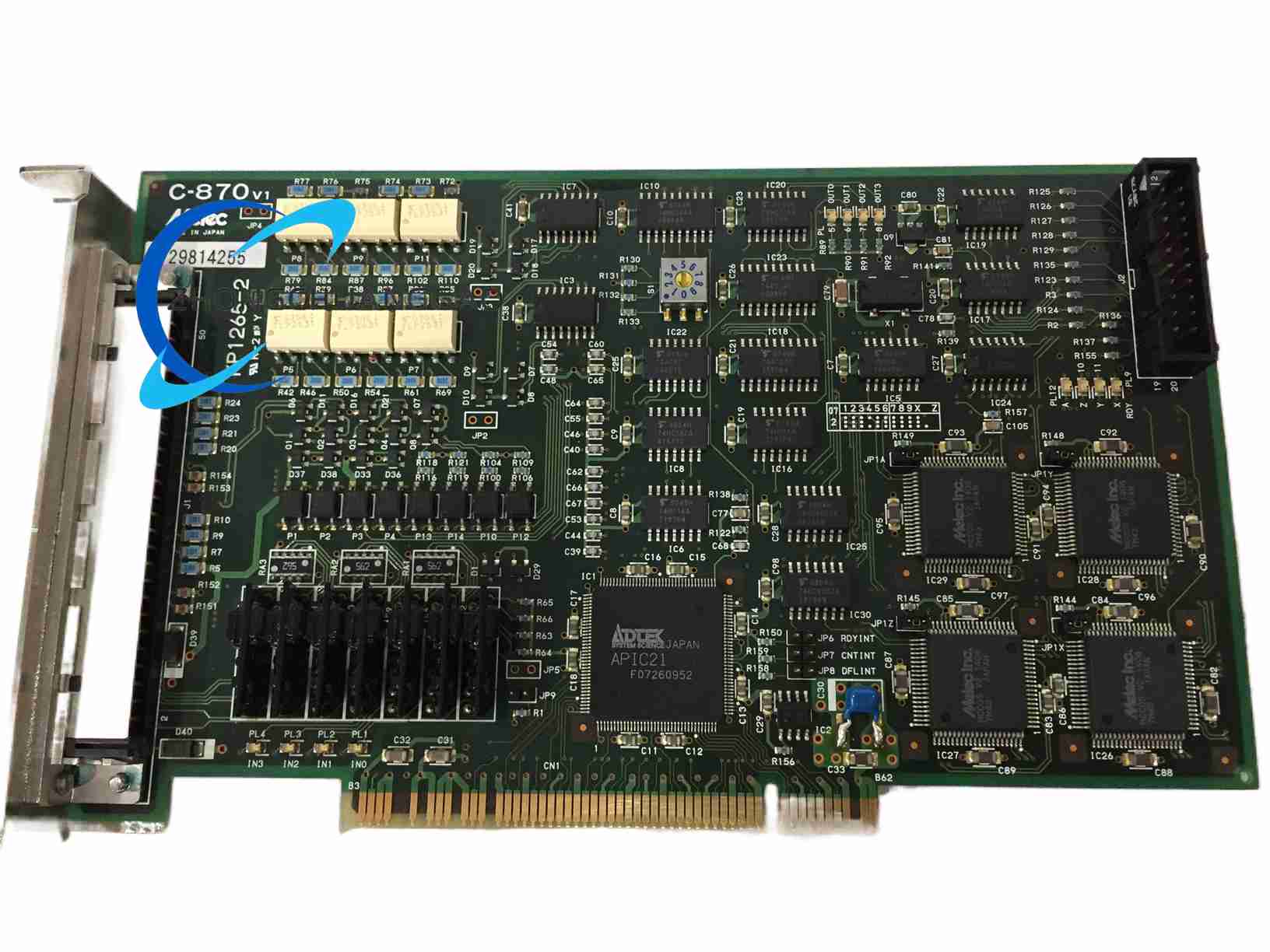
Standard PCI host interface, multi-axis pulse and servo control configuration, high-frequency pulse generation, photocoupler-isolated digital inputs and outputs, operating temperature 0 to 50°C, relative humidity 10 to 90% non-condensing, power from PCI slot rails plus isolated external 24 V DC logic where required, weight approximately 0.4 kg.
Functional Features
Dedicated pulse-generation chipset, optocoupled I/O isolation, closed-loop feedback processing, trajectory planning for stepping and servo axes, compatibility with Melec terminal boards and motion libraries, legacy surrogate sourcing for obsolete industrial PCs.
Application Scenarios
Automated optical inspection tables, semiconductor die bonders, retrofitted PC-based motion systems, laboratory automation, multi-axis test rigs, legacy manufacturing equipment requiring PCI pulse control.
Performance Parameters
High-frequency pulse output per axis, isolated digital I/O, 0 to 50°C ambient operation, PCI 32-bit compatibility according to legacy Melec documentation, deterministic pulse timing for synchronized multi-axis moves.
Material Composition
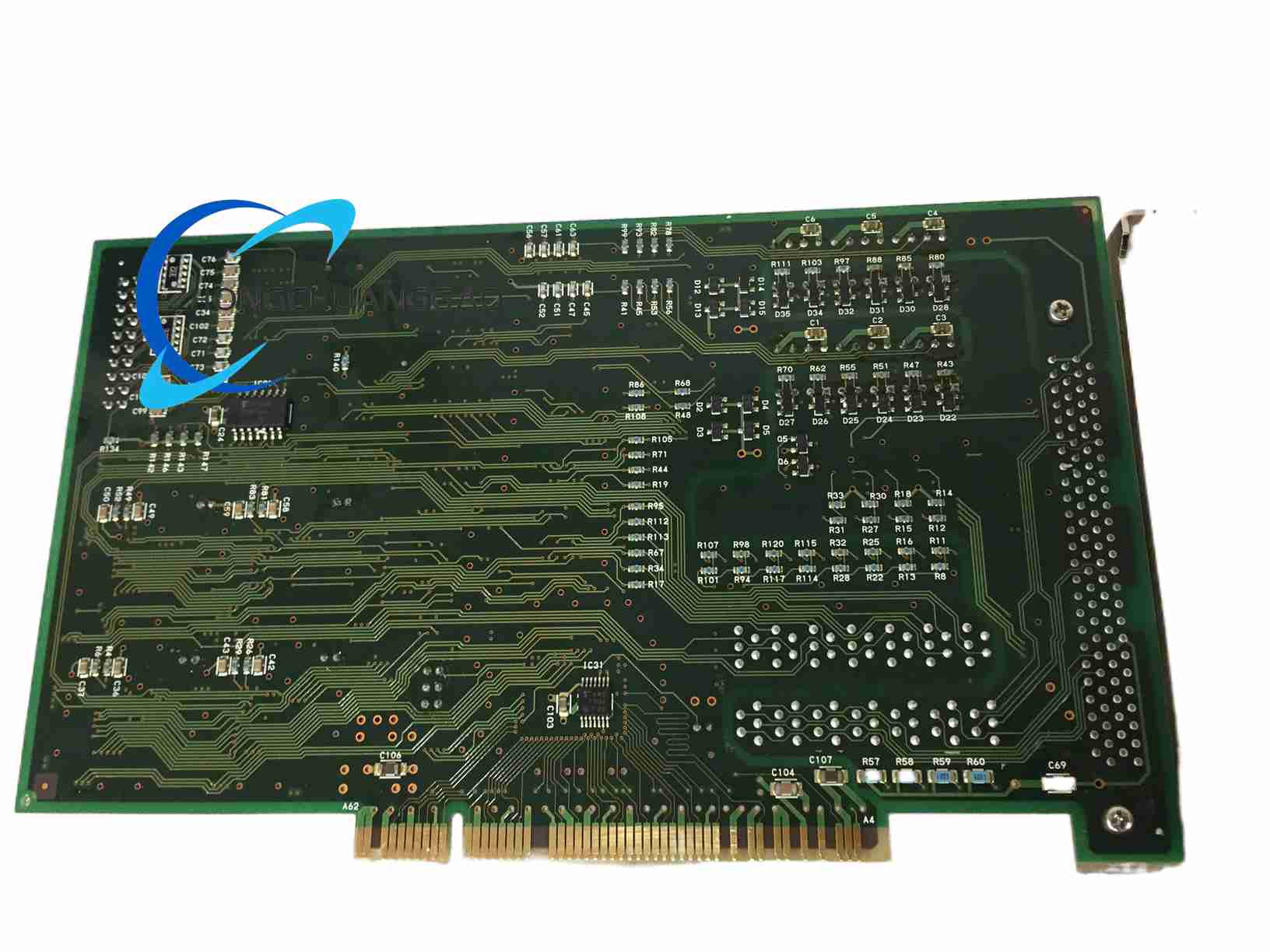
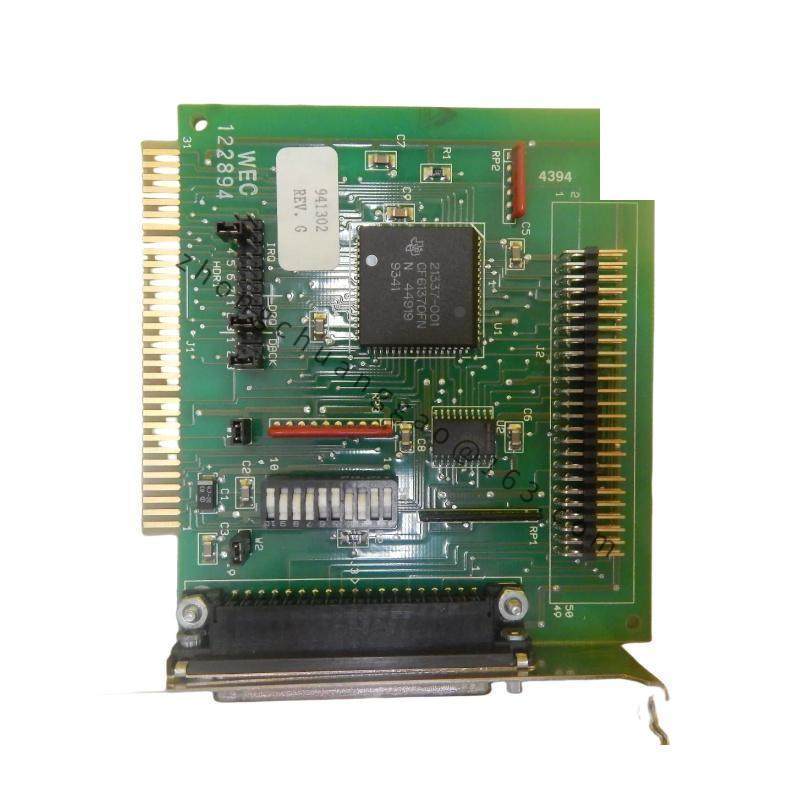
FR4 PCI circuit board, gold-plated edge connector, photocoupler isolation components, industrial-grade ICs, aluminium or steel bracket, anti-static packaging for storage and shipment.
Structural Characteristics
Full-height PCI card format, rear I/O connector or ribbon header for breakout terminal board, on-board pulse and feedback processors, edge connector for 5 V or universal PCI signaling according to card revision.
Working Principle
The host PC writes motion parameters to the board through the PCI bus. The pulse-generation logic produces step-and-direction or pulsed output signals for each axis. Encoder feedback is decoded and compared with the commanded trajectory; closed-loop corrections are passed to the servo drives through the terminal board.