Digital guide

You are here:

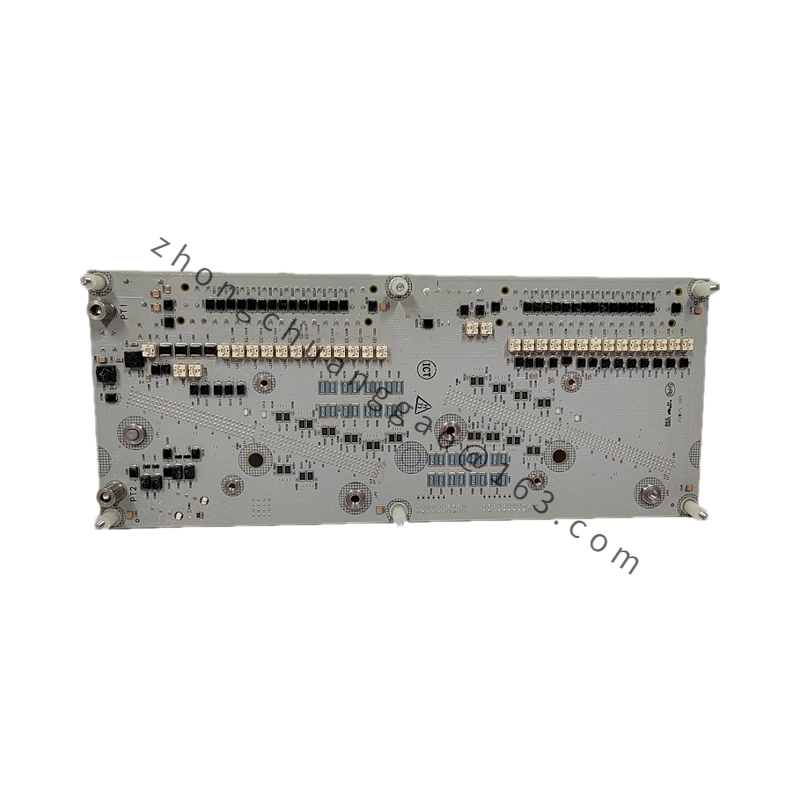
Honeywell CC-TAOX11

Product Name:​ 16-Channel Redundant Analog Output IOTA (Termination Assembly)
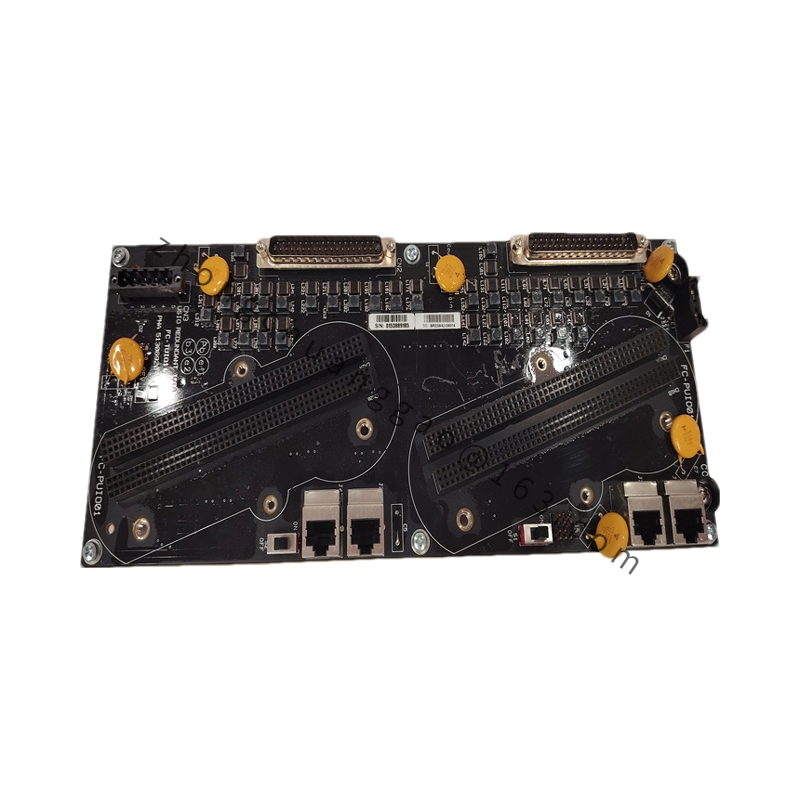
Product Overview:​ The CC-TAOX11 (also designated DC-TAOX11, catalog part number 51308353-175) is a high-density 12-inch redundant Analog Output IOTA engineered for Honeywell’s Experion PKS and C300 controller architecture. It serves as the physical field termination interface for redundant analog output modules (e.g., CC-PAOH01), distributing 4–20 mA signals to field actuators while maintaining full redundancy for fault-tolerant operation.

Detailed content

Key Technical Specifications:
  • Model:​ CC-TAOX11 / DC-TAOX11 (51308353-175)
  • Type:​ Redundant Analog Output IOTA (12-inch base)
  • Channels:​ 16 analog output channels
  • Output Signal:​ 4–20 mA DC current loop with HART communication support
  • Resolution:​ 12-bit
  • Accuracy:​ ±0.1% of span at 25°C
  • Redundancy:​ Dual module slots on a single IOTA base (primary + secondary)
  • Operating Temperature:​ 0°C to +60°C (+32°F to +140°F)
  • Origin:​ United States
Functional Features:
  • Fully redundant architecture with seamless failover (bumpless transfer)
  • Compatible with HART protocol for advanced field device diagnostics
  • Two-level detachable terminal blocks for field wiring
  • Conformal coating for corrosion resistance
Working Principle:​ The IOTA is a passive termination base. It provides the mechanical and electrical interface between the redundant pair of active analog output modules and the field wiring. Upon primary module failure, the secondary module instantly assumes output control without interrupting the 4–20 mA loop.
Application Scenarios:​ Critical final control element driving in refinery automation, offshore production systems, large chemical plants, and other high-availability process environments where uninterrupted analog output is mandatory.
Installation & Usage Notes:
  • Securely mount onto standard DIN rails or cabinet backplane tracks within the Series C enclosure.
  • De-energize all power rails before mounting or servicing.
  • Firmly seat both primary and secondary output modules, verifying backplane pin engagement.
  • Terminate field actuator lines and shield drains to multi-level terminal blocks per loop resistance and grounding parameters.
  • Verify redundant module synchronization before commissioning.
  • Use proper torque values on terminal blocks for stable contact resistance.

You may also like