Technical Specifications
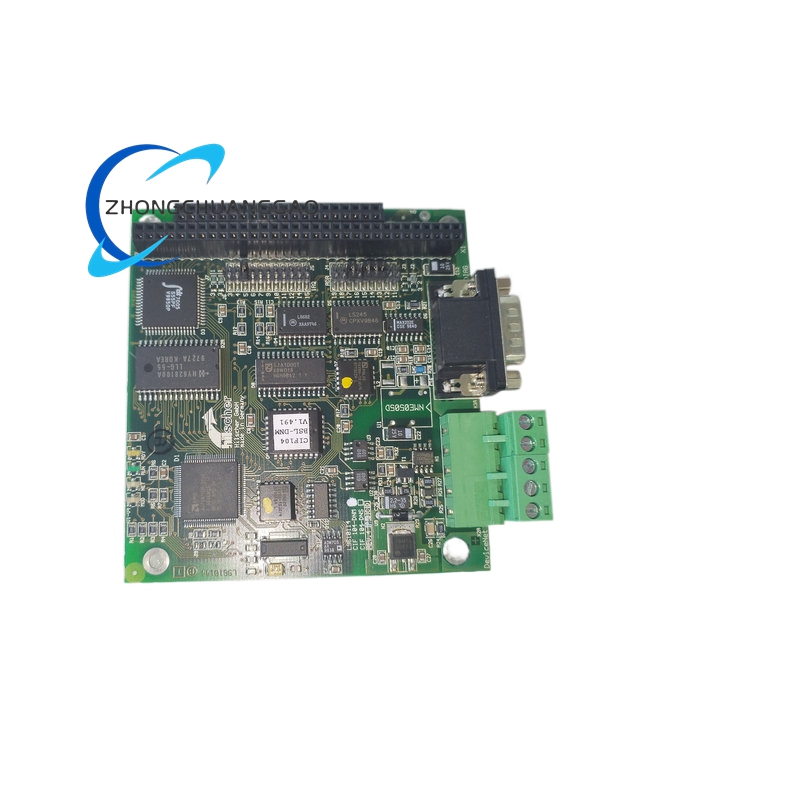
The module uses the PC/104 form factor and ISA-compatible PC/104 host interface. DeviceNet role is master. The interface complies with ODVA DeviceNet specifications and ISO 11898 physical-layer principles for the CAN-based bus. Maximum slave nodes are 63. Supported messaging includes polling, bit-strobe, cyclic, change-of-state, and explicit. Process data exchange uses dual-port memory; configuration capacity depends on firmware version, with documented variants providing 7 KB DPRAM or other DPRAM sizes according to the installed hardware. Field connector is 5-pin COMBICON. Diagnostic interface is RS-232. Typical PC/104 supply is 5 VDC; typical power consumption is approximately 2 W for standard variants. Physical size is approximately 90 x 96 x 25 mm. Operating temperature varies by sourced variant, with common ratings of 0 to 50°C, 0 to 55°C, or extended values documented on the product label.
Function Features
The onboard communication processor executes the DeviceNet protocol stack without loading the host CPU. Dual-port memory provides direct process-data access from the PC application. SyCon configuration software stores scan lists, node parameters, and firmware configuration in internal FLASH. LED indicators show system status and network status. RS-232 diagnostics support commissioning and fault analysis. Windows and Linux drivers are provided for standard Hilscher CIF products.
Application Scenarios
Embedded PC DeviceNet master expansion, soft PLC and HMI communication, robotics controller fieldbus interfacing, legacy industrial computer retrofit, automotive assembly I/O polling, packaging machine networking, and data-collection gateways for DeviceNet sensors, drives, and remote I/O blocks.
Performance Parameters
The module supports DeviceNet baud rates configured for the application, commonly 125 kbps, 250 kbps, and 500 kbps depending on firmware, transceiver, and cable topology. With 63 slaves, performance depends on baud rate, message type, produced/consumed data size, and scan-list configuration. DPRAM throughput provides deterministic exchange for cyclic I/O when the scan list and node timing are properly engineered.
Material Composition
The module uses an industrial-grade FR4 printed-circuit board, PC/104 stackable header connectors, COMBICON field terminal, LED lenses, and a metal or coated enclosure component set suitable for cabinet mounting.
Structure Features
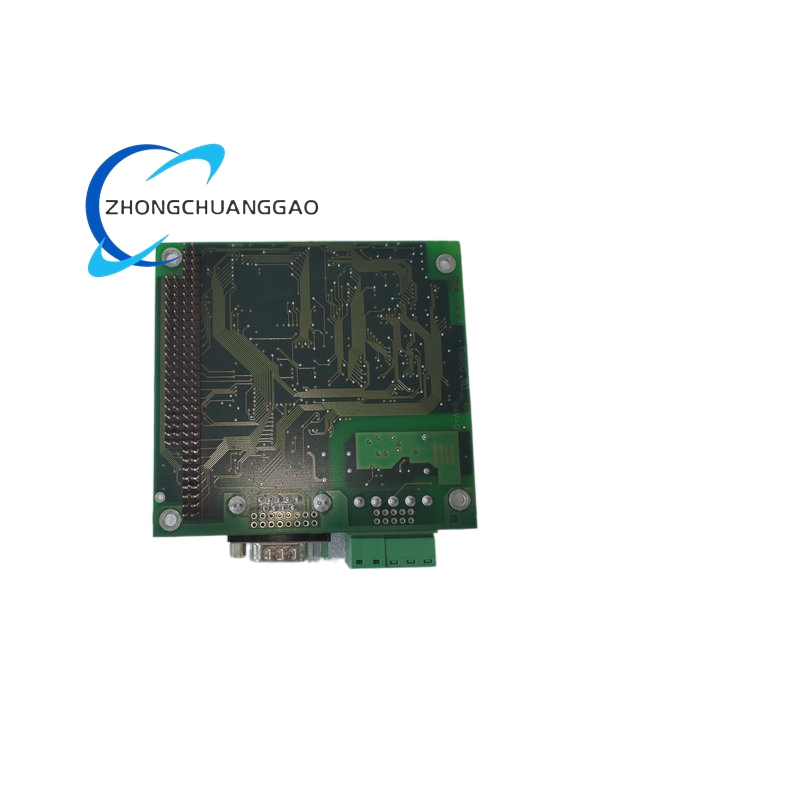
CIF 104-DNM is a stackable PC/104 card with a 5-pin field terminal for DeviceNet V+, V-, CAN_H, CAN_L, and shield. Dual-port memory and FLASH are mounted on the board. Status LEDs, RS-232 diagnostic port, and jumper or software settings control base address, baud rate, and node behavior. The low-profile format allows stacking with CPU, I/O, and communication modules in compact embedded systems.
Working Principle
The host PC writes output data and configuration to dual-port memory. The onboard DeviceNet processor reads the scan list, polls or services slave nodes, processes cyclic and explicit messages, and returns input data to DPRAM. CAN transceiver hardware drives CAN_H and CAN_L according to the DeviceNet physical layer. RS-232 and LEDs provide local diagnostics; FLASH retains configuration so the card can restart the network without reinitializing from the host.
Installation Requirements
Install the module on a standard PC/104 stack with proper standoffs and bus alignment. Supply 5 VDC through the PC/104 bus or according to the specific card revision. Connect DeviceNet trunk wiring to the 5-pin COMBICON terminal with correct V+, V-, CAN_H, CAN_L, and shield assignment. Provide independent regulated 24 VDC to the DeviceNet bus power segment. Install 121Ω termination at both physical ends of the trunk for the selected baud rate. Configure DPRAM base address to avoid conflict with other PC/104 modules.