Digital guide

You are here:

GE TKMA31000

  • Product Name: GE TKMA31000 1000 A, 3-Pole Thermal-Magnetic Molded Case Circuit Breaker (MCCB)
  • Product Introduction: The GE TKMA31000 is a 3-pole, 1000 A molded case circuit breaker in GE’s TKM (K-Frame) family. It provides robust overcurrent and short-circuit protection in heavy-duty commercial and industrial power distribution systems.

Detailed content

  • Technical Specifications:
    • Brand: ABB / General Electric (legacy GE product)
    • Series: TKMA (K-Frame)
    • Poles: 3
    • Amperage: 1000 A
    • Voltage: 240 V AC / 480 V AC / 600 V AC / 250 V DC
    • Phase: 3
    • Interrupting capacity (AIC): 42 kA @ 240 V AC; 30 kA @ 480 V AC; 22 kA @ 600 V AC; 20 kA @ 250 V DC
    • Mounting style: Bolt-on
    • Terminal type: Lugs
    • Trip technology: Thermal-magnetic
    • Trip function: Long-Time (LI) — Fixed thermal, Adjustable magnetic
    • Wire gauge: (4) 250–350 kcmil Copper or (4) 250–500 kcmil Aluminum
    • Max wire: 500 kcmil; Min wire: 250 kcmil
    • Temperature rating: 40 °C
    • Standards: CSA C22.2 No. 5, IEC 60947-2, NEMA AB-1, UL 489
    • Approvals: CSA, UL
    • Construction: Interchangeable trip unit; HACR rated
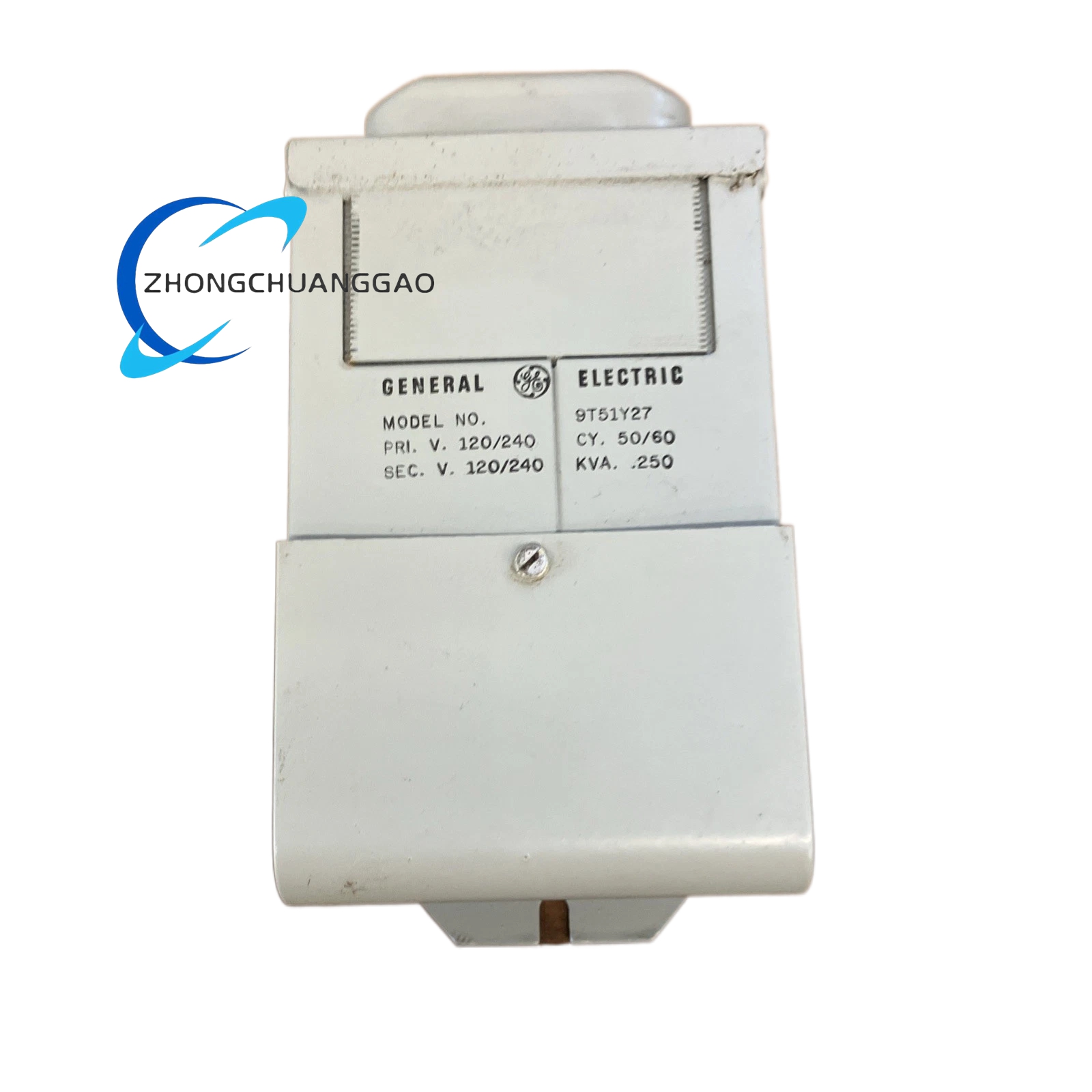
  • Functional Features: Long-time (overload) and instantaneous (short-circuit) trip; interchangeable thermal-magnetic trip unit; available options include shunt trip, auxiliary switch, undervoltage release, alarm switch, and lug kits.
  • Application Scenarios: Heavy-duty power distribution in GE switchboards, motor control centers (MCCs), and GE CCB/AV1 panelboards; industrial and commercial main feeder protection. Legacy K-Frame — replaceable by ABB Tmax XT7 via retrofit kit.
  • Installation Requirements: Bolt-on mounting into compatible GE switchboards/MCCs/panelboards; terminate with 250–500 kcmil lugs; ensure adequate clearance (dimensions: ~8¼ in. W × 5½ in. D × 15½ in. H).
  • Usage Notes: Always follow electrical safety regulations and wear appropriate PPE; ensure proper grounding; verify the AIC rating (kA) is adequate for the available fault current at the installation point; periodically inspect for signs of wear or overheating.

You may also like