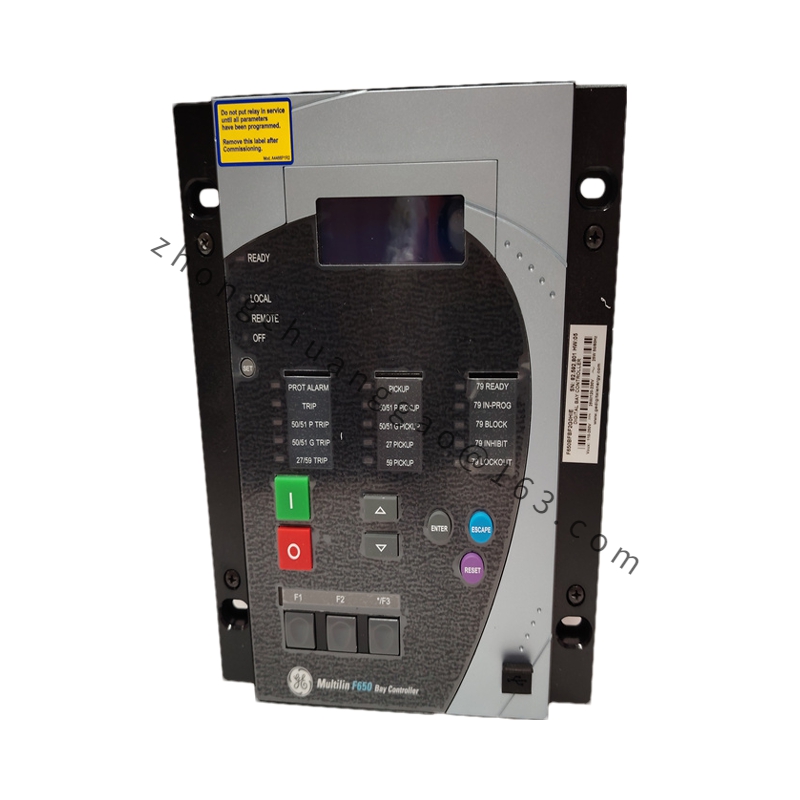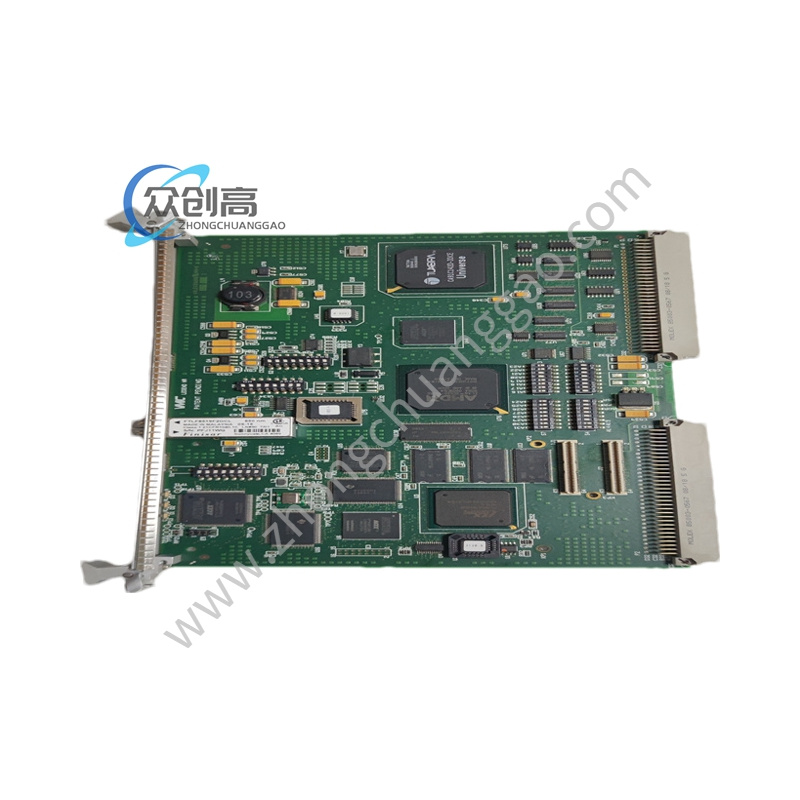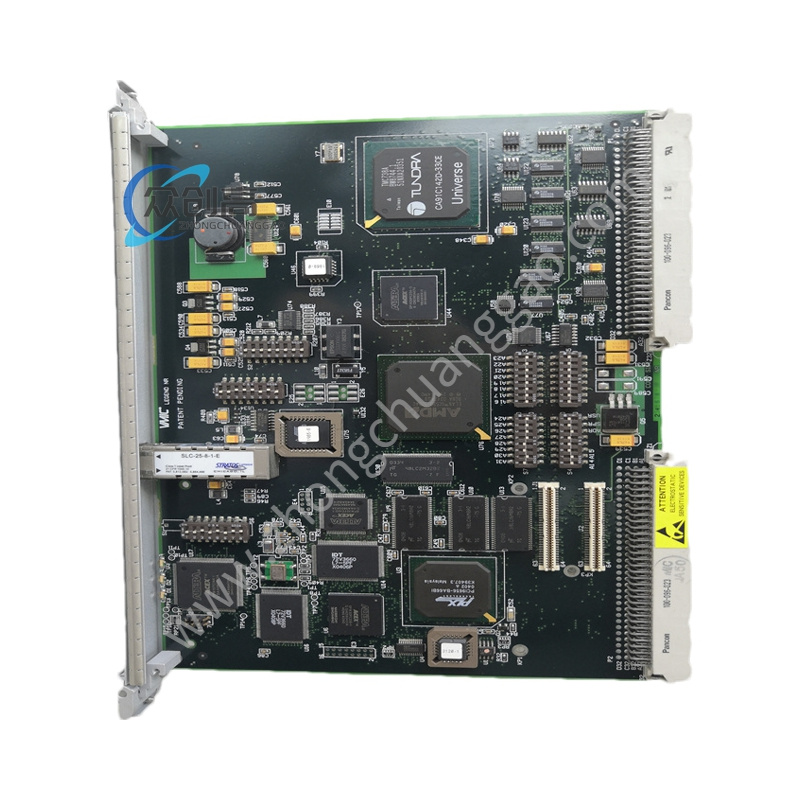
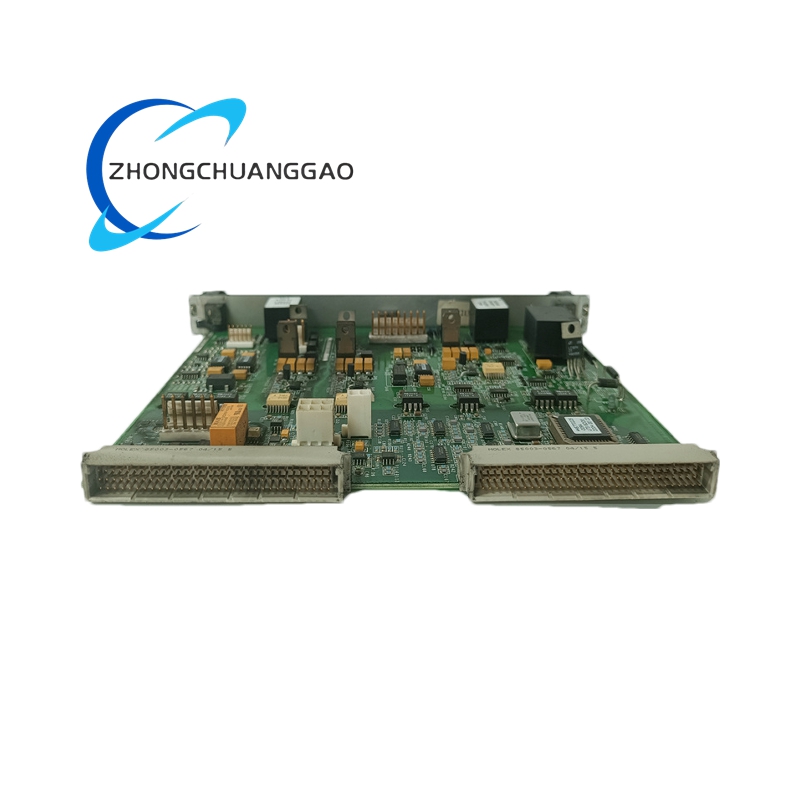
GE IS220PTURH1B
Product Name: GE IS220PTURH1B Mark VIe Turbine-Specific I/O Pack (PTUR — Primary Turbine Protection / Turbine I/O Pack).
Product Introduction: This is a high-reliability, turbine-specific I/O pack within GE’s Mark VIe Speedtronic control platform. It interfaces directly with critical turbine machinery components, processing input signals from magnetic pickups, automatic synchronizing subsystems, and shaft voltage monitors, and executes primary turbine protection and overspeed trip functions.
Detailed content
Technical Specifications:
- Manufacturer: GE Fanuc / GE
- Part Number: IS220PTURH1B (associated with IS230TNTRH1C)
- Control Architecture: Mark VIe Speedtronic (also compatible with Mark VI)
- Functional Acronym: PTUR (Turbine Specific Application Pack)
- Operating Voltage: 28.0 VDC nominal (range 18.5–32.0 VDC)
- Power Consumption: 7.0 W maximum
- Pulse Inputs: Supports multiple Magnetic Pickup (MPU) speed sensors, proximity sensors
- Synchronization: Integrates generator line and bus voltage sensing
- Network: 2 × 10/100 Mbps Ethernet ports via dual IONet redundancy
- Isolation: 1500 V AC galvanic isolation for field-side inputs
- Speed Accuracy: ±0.5%
- Slip Range: ±3 Hz
- Supported Breakers: Up to 2 turbine breakers
- Analog Outputs: 0–20 mA (max load 900 Ω)
- Digital Outputs: 3 channels
- Operating Temperature: -30°C to +65°C (some references -40°C to +70°C)
- Chassis Protection: IP20 (industrial enclosure) with conformal-coated PCB
- Weight: approximately 720 g – 1000 g
- Dimensions: 241 × 194 × 152 mm (approximate, for associated IS230TNTRH1C)
Functional Features: High-frequency pulse processing from magnetic pickup sensors capturing rotational speed variations down to fractions of RPM; redundant IONet network pathing for uninterrupted speed telemetry; integrated generator synchronization (voltage and phase matching at I/O pack layer); fanless convection heat dissipation via passive heat sink; embedded independent hardware/software trip logic for rapid overspeed response; supports simplex, dual, or Triple Modular Redundant (TMR) configurations; hot-swappable in redundant setups; onboard LEDs and IR diagnostic port for local testing.
Application Scenarios: Utility-scale gas and steam turbine speed monitoring and overspeed protection; turbine primary I/O interface with Mark VI/VIe controllers; turbine breaker control; shaft voltage/current monitoring; redundant TMR systems for high-reliability turbine operations.
Structural Characteristics: Compact, panel-mountable housing (plastic chassis with screw standoffs, non-VME rack); rigid metal housing with passive external heat sink matrix; dual RJ-45 Ethernet ports; interfaces directly with IS200TRPAS1A terminal boards for field wiring.
Working Principle: Onboard hardware counters capture high-frequency pulses from magnetic pickup sensors on the turbine shaft. The local microprocessor core evaluates speed and acceleration profiles in real time, compares against preset thresholds, and — upon detecting overspeed or other trip conditions — drives output contacts to trip up to two turbine breakers. Speed and shaft data are transmitted to the main Mark VIe controller via deterministic dual IONet Ethernet.
Installation Requirements: Mount in panel using screw standoffs; connect to IS200TRPAS1A terminal boards for field wiring of MPUs, flame detectors, PT inputs, shaft voltage monitors; connect dual IONet Ethernet to the Mark VIe controller fabric; supply 28 VDC nominal power (18.5–32 VDC range).
Usage Notes: The “H1B” hardware revision replaces obsolete internal chips with updated silicon, lowering heat dissipation and improving long-term stability vs. older “H1A”; in TMR configurations, hot-swap replacement can occur without system downtime; conformal-coated PCB allows operation in harsh turbine environments.