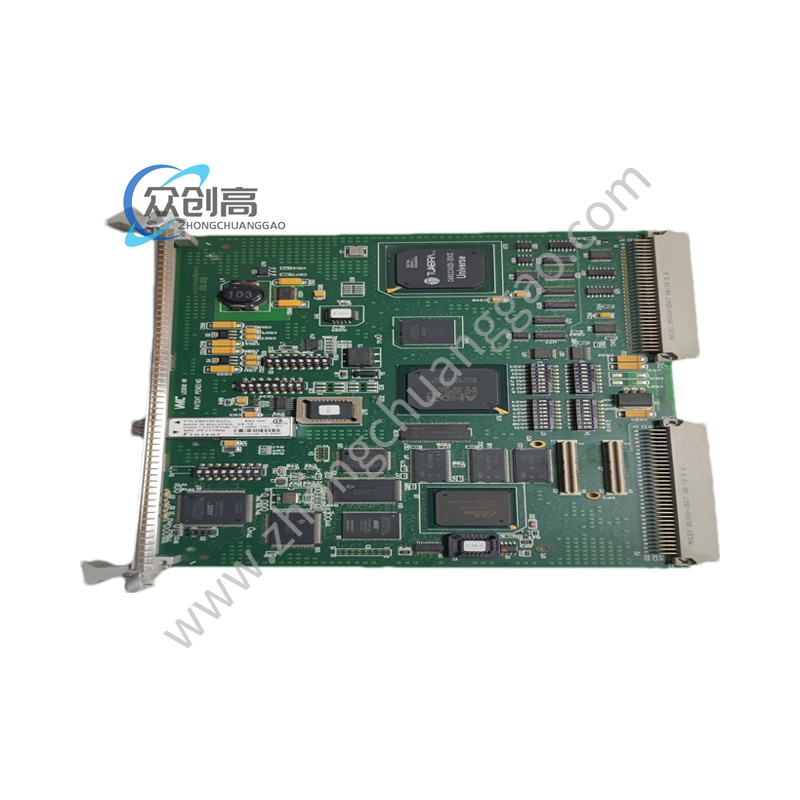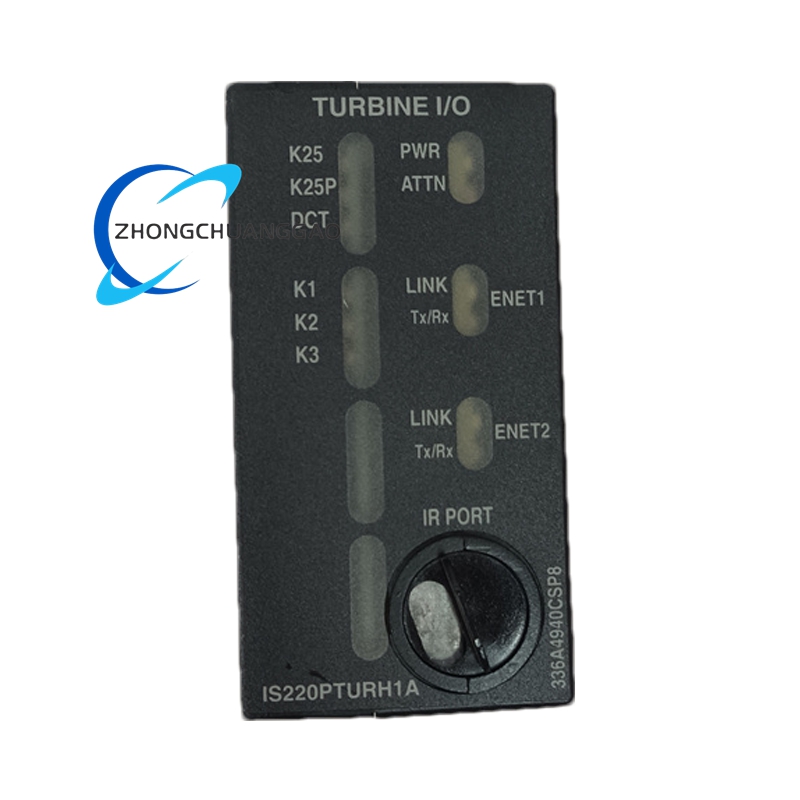

GE IS220PAOCH1A
Technical Specifications: 8 independent simplex 0–20 mA current output channels (software-selectable 4–20 mA); 16-bit Δ-Σ D/A converter per channel; ±0.5 % accuracy over full –30…+65 °C range; ≤900 Ω load drive capability; 18 V compliance voltage; 16-bit ADC with 50 Ω sense resistor for continuous current feedback; ≤1 ms output update cycle; 2500 Vrms channel-to-channel and channel-to-backplane isolation; dual 100 Mbps TSN Ethernet (IONet) via RJ-45; 27.4 VDC nominal supply (24 VDC industrial typical), 6–15 W depending on load; –30…+65 °C operating, –40…+85 °C storage; IP20 (front panel) / IP51 enclosure; 82.6 × 41.9 × 121 mm, ~0.5 kg; UL E207685, ATEX Zone 2, IECEx, SIL2.
Detailed content
-
Functional Features: BPPB processor board paired with dedicated AO acquisition board; per-channel “suicide” relay for hardware fail-safe isolation; continuous current feedback compares actual vs. commanded loop current, instantly detecting open wires or failed solenoids; dual redundant IONet ensures uninterrupted communication; industrial conformal coating; each channel LED diagnostic indicator.
-
Application Scenarios: Primary electrical interface between Mark VIe controller and field actuators — liquid fuel bypass valves, gas fuel control valves, compressor anti-surge valves, generator excitation systems, damper drives, and governors in gas/steam turbine and compressor packages; suitable for offshore platforms and desert pumping stations due to wide-temperature and hazardous-area certification.
-
Compatible Terminal Boards: TBAOH1C, STAOH1A, STAOH1A/H2A.
-
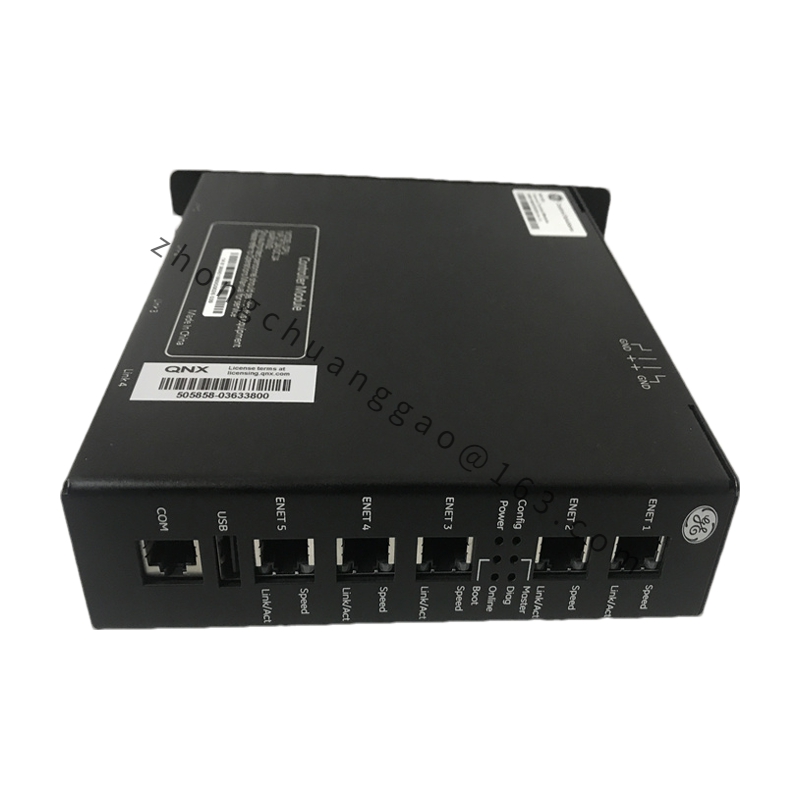
Installation & Usage Notes: Mount the selected terminal board firmly first, then connect the PAOC I/O pack directly to the terminal board’s DC-37 connector; mechanically secure using the threaded studs next to the Ethernet ports into the terminal-board-specific bracket — avoid right-angle force on the DC-37 connector; connect one or two IONet cables (ENET1 typically to the R controller network); 3-pin power connector has inherent soft-start, so power cable can be plugged live; use ToolboxST to configure and read back current values monthly — if deviation >0.5 %, check loop impedance or replace the module; keep IONet fiber bend radius >30 mm; one module replaces two traditional AO boards, saving 30 % cabinet space.