GE DS3820PS1B1F1F
Product Name: GE Mark VIe Power Supply Module (20A)
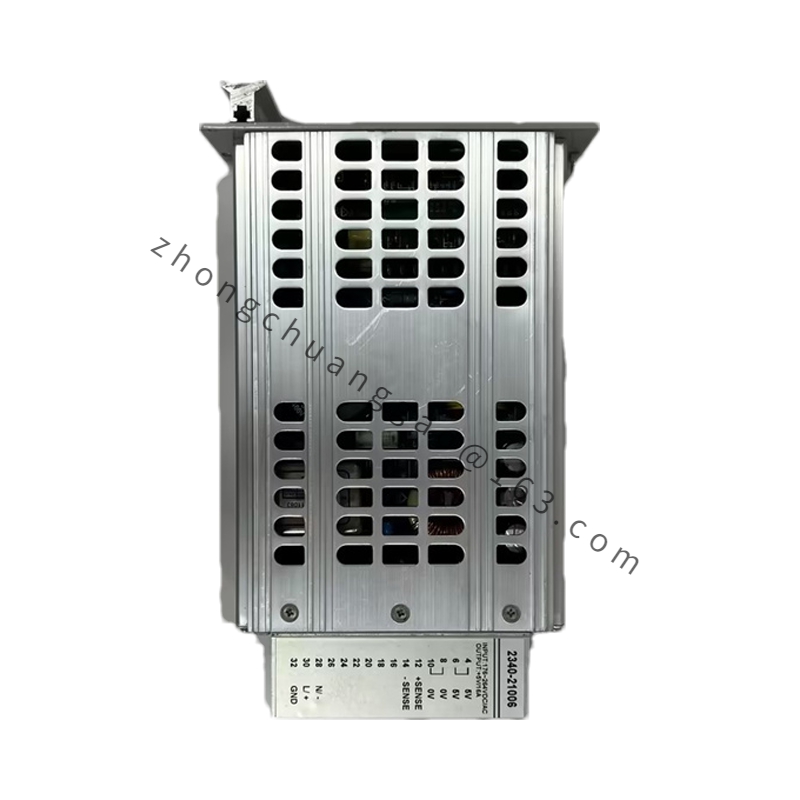
Product Overview: The DS3820PS1B1F1F is a 20-ampere power supply module in the GE Mark VIe control system, providing stable DC operating voltage for I/O modules within the Mark VIe rack.
Technical Specifications:
- Input Voltage: 120 VAC / 240 VAC (selectable), 50/60 Hz
Detailed content
- Input Range: 85 VAC to 264 VAC (full range)
- Output Voltages: +5 VDC / +24 VDC / +5 VSB (standby)
- +5 V Output Current: 20 A (max)
- +24 V Output Current: 10 A (max)
- Total Output Power: Approx. 340 W
- Efficiency: ≥ 88% (typical)
- Ripple & Noise: ≤ 50 mVpp (+5 V), ≤ 100 mVpp (+24 V)
- Protection: OVP / OCP / SCP / OTP
- Operating Temperature: 0°C to +55°C
- Cooling: Natural convection
- Dimensions: VME64 standard size
Functional Features:
- Large current output capability (20 A), suitable for large systems with high I/O count
- Supports dual-module parallel redundant operation for N+1 power redundancy
- Front panel with Power OK LED, Fault LED, Current Share indicator
- Hot-swappable capability (when system configuration permits)
- Output voltage accuracy: ±2%
Structural & Material Features:
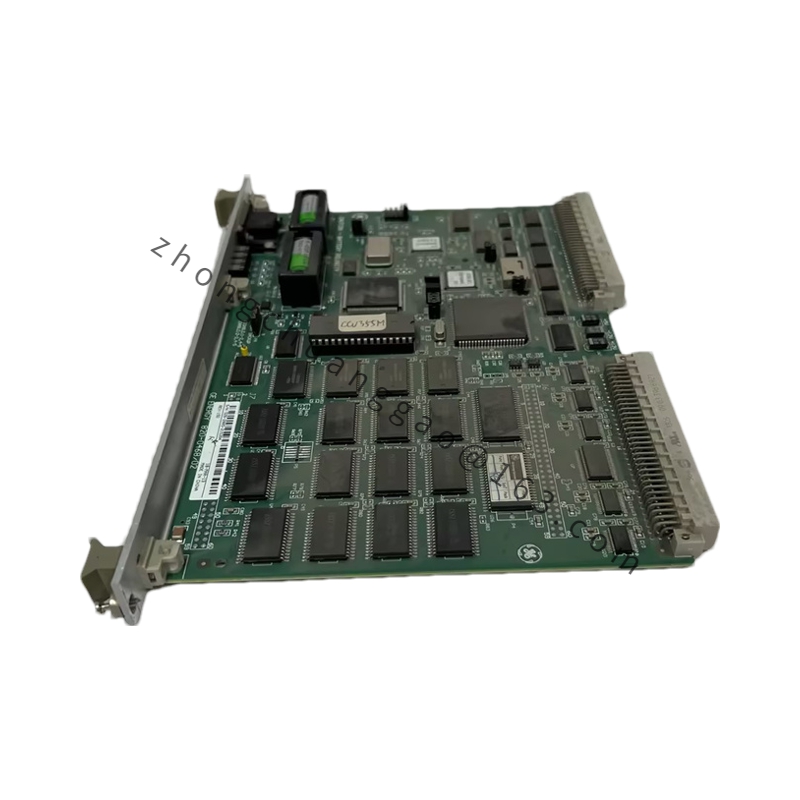
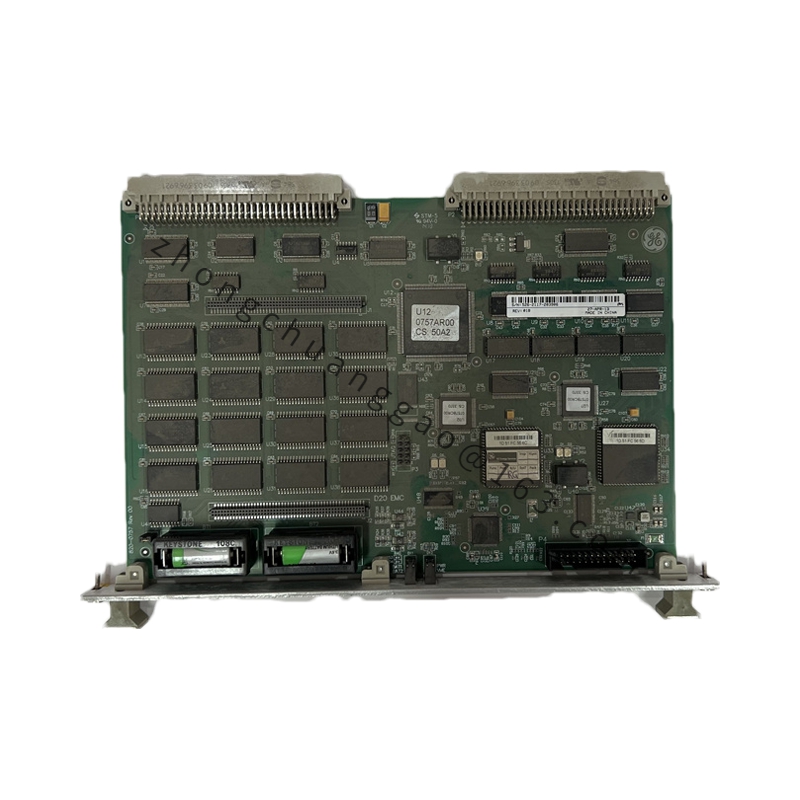
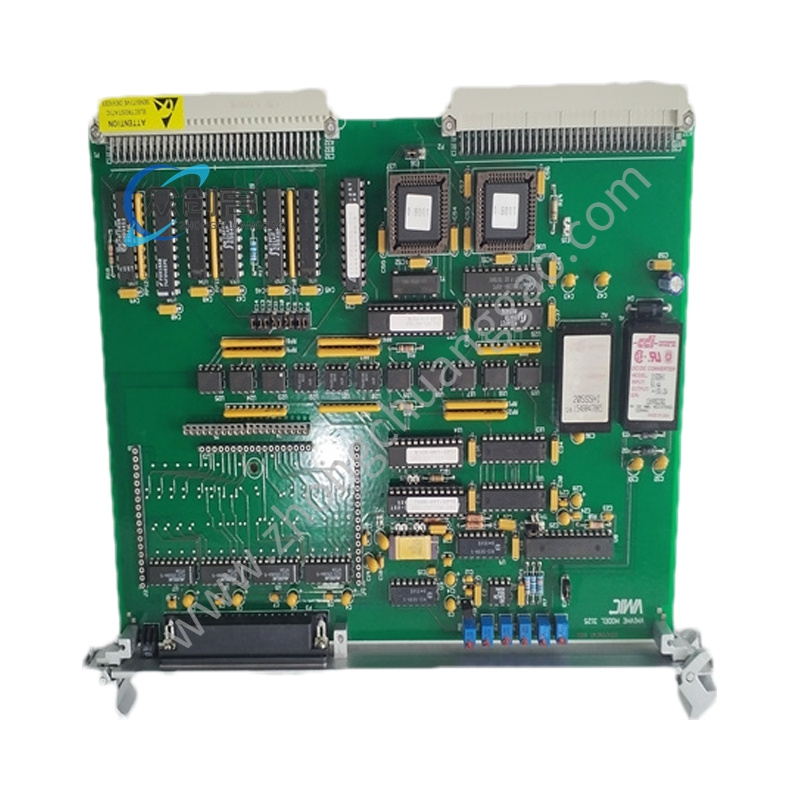
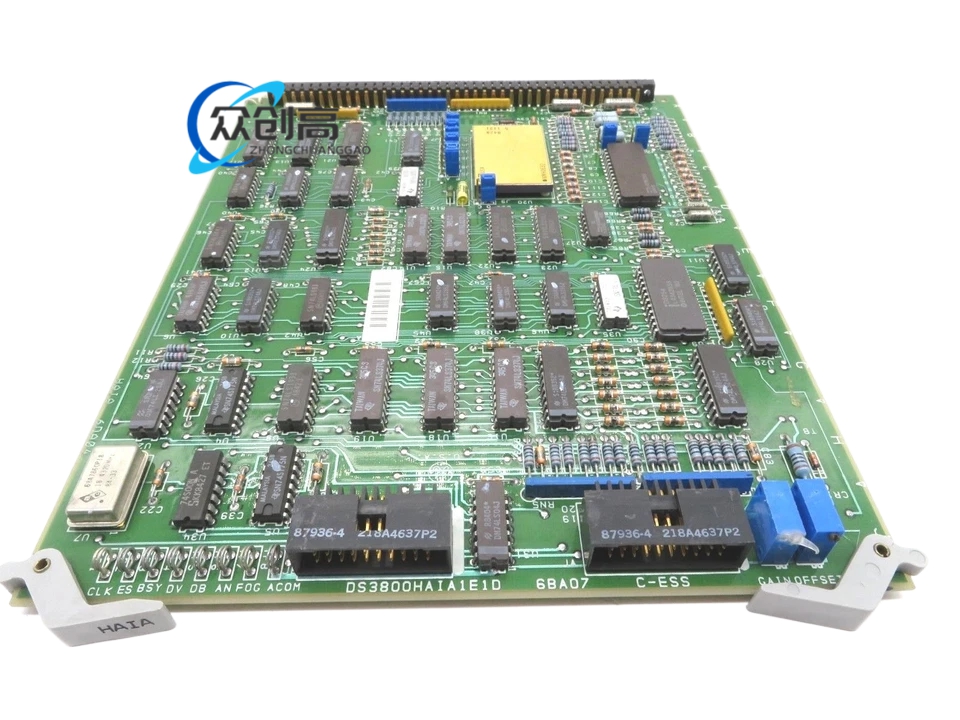
- VME64 standard PCB card (160 mm × 233.4 mm)
- Front panel: AC input terminals, DC output terminals, ground terminal, current sharing connector
- Top: Status indicator LEDs
- Bottom: DIN 41612 European connector
- Enclosure: Galvanized steel sheet
- Transformer: High-quality ferrite core, copper wire winding, Class B insulation (130°C)
- Rectifier: Industrial-grade fast recovery diodes
- Filter Capacitors: 105°C rated long-life electrolytic capacitors
Application Scenarios: Thermal power plants, gas-steam combined cycle, nuclear power plants, large petrochemical DCS, metallurgical process control.
Installation Requirements:
- Install in Mark VIe rack dedicated power slot
- Dual-module redundant configuration must use Current Sharing Cable
- AC input must connect to UPS uninterruptible power supply
- Ground resistance ≤ 4 Ω
Usage Notes:
- Confirm input voltage matches module setting before power-on
- Never exceed rated current output, otherwise overcurrent protection triggers
- During module failure, redundant module automatically takes over with no system interruption
- Regularly clean cooling vents to ensure good ventilation