GE DS3800NPSK1H1F
Product Name: GE Speedtronic Mark VI 6U VME 240 VAC Input Board
Product Introduction: The DS3800NPSK1H1F is a high-impedance, fast-response AC digital input board belonging to GE’s DS3800 NPSK family. It is engineered for extended-temperature turbine applications where standard NPSK boards exhibit optocoupler drift. The “1H1F” revision pairs high-value input resistors, extended-temperature optocouplers, and firmware v1.3F to deliver stable 240 VAC sensing across a -40 °C to +70 °C ambient range.
Detailed content
Technical Specifications:
- Number of Inputs: 16 digital inputs, optically isolated per channel
- Input Voltage: 240 VAC ±10% (216–264 VAC)
- AC Frequency Range: 47 to 63 Hz
- Input Threshold (ON): > 130 VAC at 25 °C, derates to > 135 VAC at 70 °C
- Input Threshold (OFF): < 50 VAC at 25 °C, < 55 VAC at 70 °C
- Input Current: 2.5 mA typical at 240 VAC
- Input Impedance: 47 kΩ
- Input Filter: Programmable 1 ms to 50 ms per channel (VME-configurable)
- Minimum Detectable Pulse: 1.5 ms (with filter set to 1 ms)
- Zero-Crossing Detection: Fast response, < 300 µs delay, temperature-compensated
- Optocoupler Rating: 400 V minimum
- Isolation Voltage: 1.8 kV channel-to-ground and channel-to-channel
- Host Interface: VMEbus P1 connector, A24/D16 addressing, single 16-bit register
- Power Draw: 5 VDC @ 0.76 A typical
- Operating Temperature: -40 to +70 °C (ambient)
- Storage Temperature: -55 to +100 °C
- Dimensions: 6U VME (233 mm × 160 mm)
- Field Connector: One 64-pin D-Sub female (P2)
Functional Features:
- High impedance (47 kΩ) reduces power dissipation and heat generation versus standard NPSK boards.
- Per-channel programmable filter from 1 ms to 50 ms counters contact bounce and electrical noise.
- Extended-range optocouplers and components hold thresholds steady from -40 °C to +70 °C.
- Temperature-compensated zero-crossing detection responds in under 300 µs.
- 1.8 kV isolation exceeds the standard NPSK rating, widening the isolation slot between logic and field sides.
- Firmware v1.3F manages high-impedance timing and programmable filtering.
Application Scenarios:
Extreme-climate turbine installations, desert plant control rooms exceeding 65 °C ambient, offshore platforms, and any Mark VI Speedtronic application requiring reliable 240 VAC discrete sensing under wide temperature swings.
Structural Characteristics:
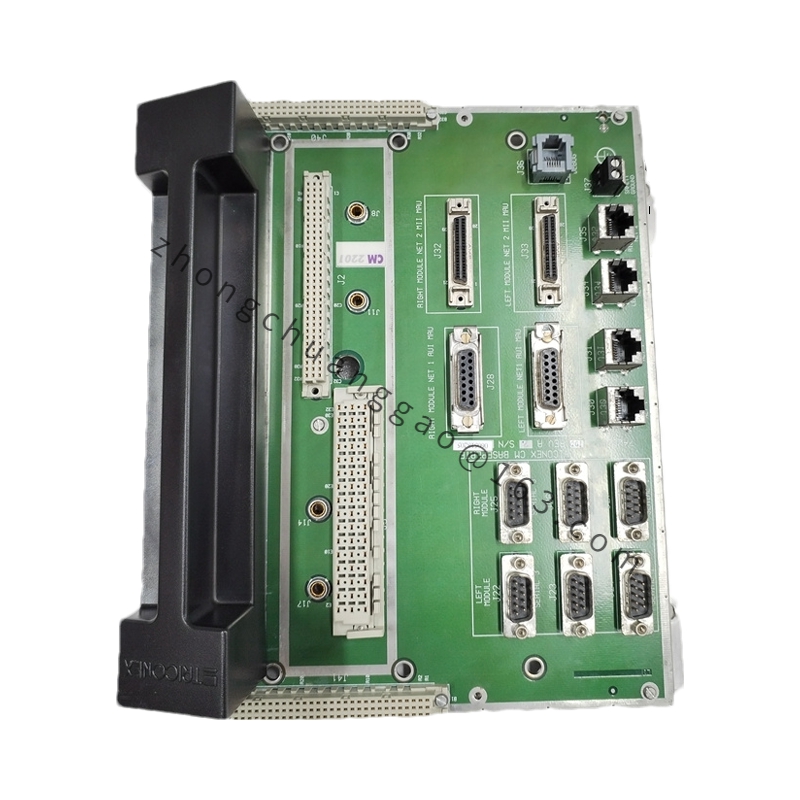
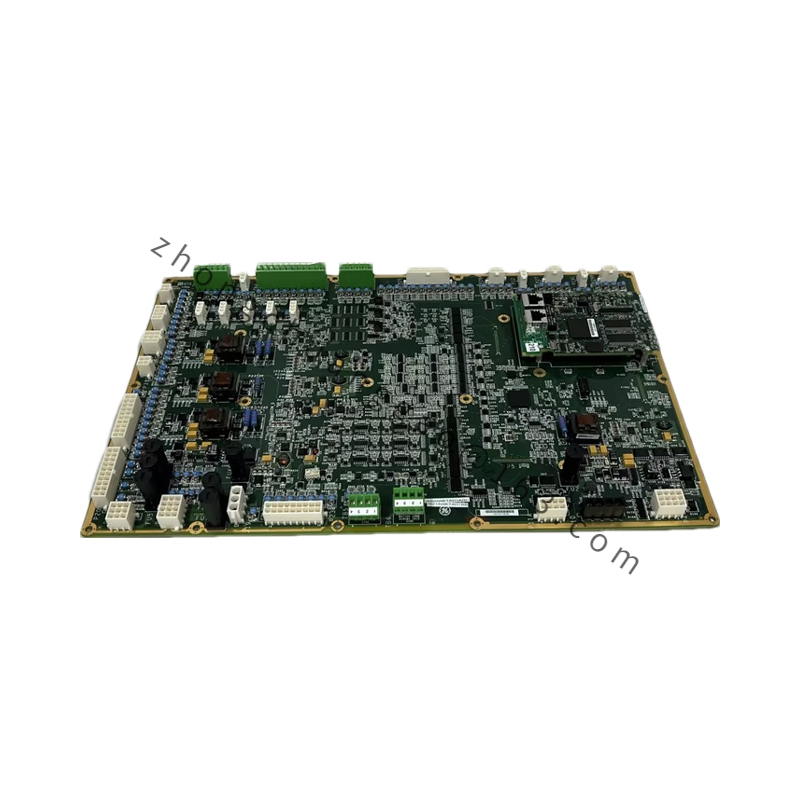
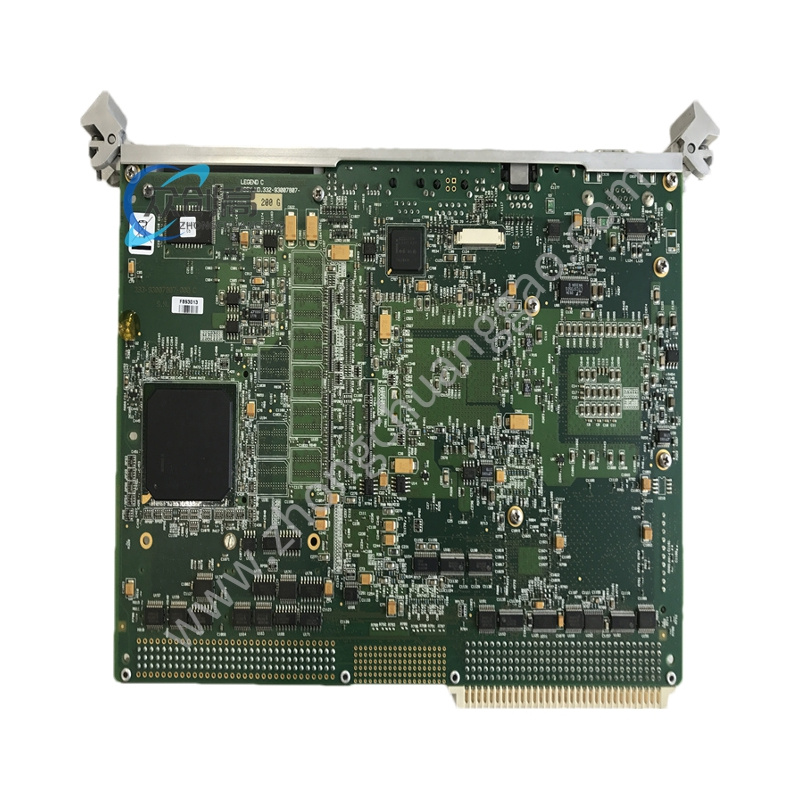
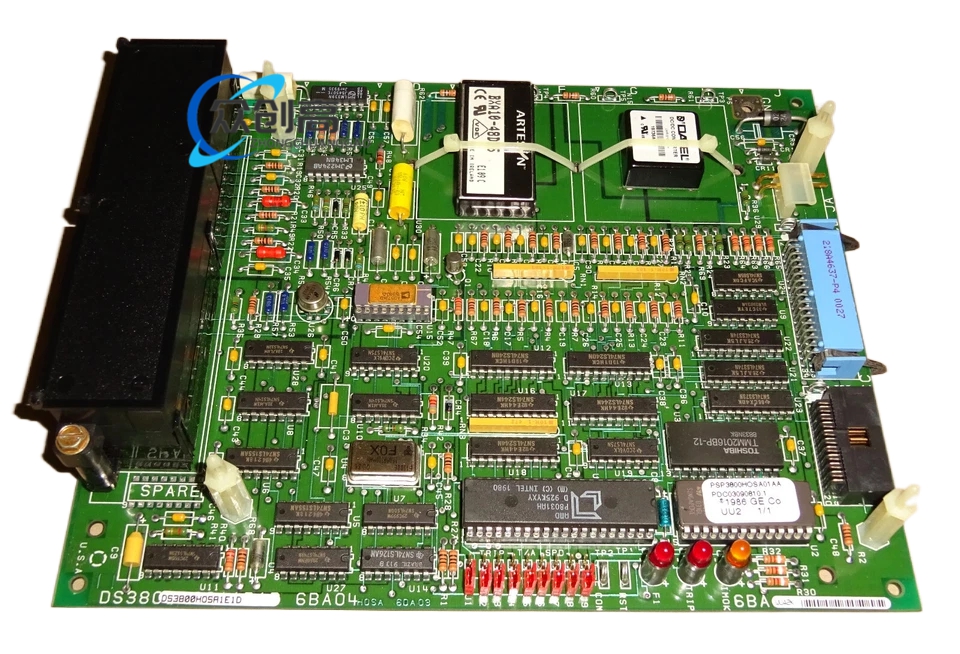
Standard 6U VME form factor with a P1 backplane interface for VMEbus communication and a P2 64-pin D-Sub connector for field wiring. The PCB layout features a widened isolation slot between logic and field sides to accommodate the 1.8 kV rating.
Working Principle:
The 240 VAC field signal passes through high-value input resistors and a programmable filter, then is sensed by temperature-rated optocouplers for galvanic isolation. Zero-crossing detection circuitry responds within 300 µs. The digitized result is presented to the VMEbus as a single 16-bit register mapped at A24/D16 addressing.
Installation Requirements:
Insert the board into a powered Mark VI test chassis or operational rack with the P1 VMEbus connector fully seated. The green self-test LED should illuminate within 200 ms of power-up. Field wiring terminates at the 64-pin P2 D-Sub female connector. Configure per-channel filter timing via VME registers.
Usage Precautions:
Genuine 1H1F boards carry a serial prefix “NK” with “H” and “F” in the suffix positions and a UV hologram showing a sharp eagle pattern. Verify input voltage stays within 216–264 VAC; sustained over-voltage degrades optocoupler life. The board draws 0.76 A from the 5 V rail—ensure the backplane PSU has adequate headroom. Periodic functional testing across both temperature extremes is recommended to confirm the 2.5 mA current draw and 1.5 ms pulse response.