GE DS3800NMEA1K1H
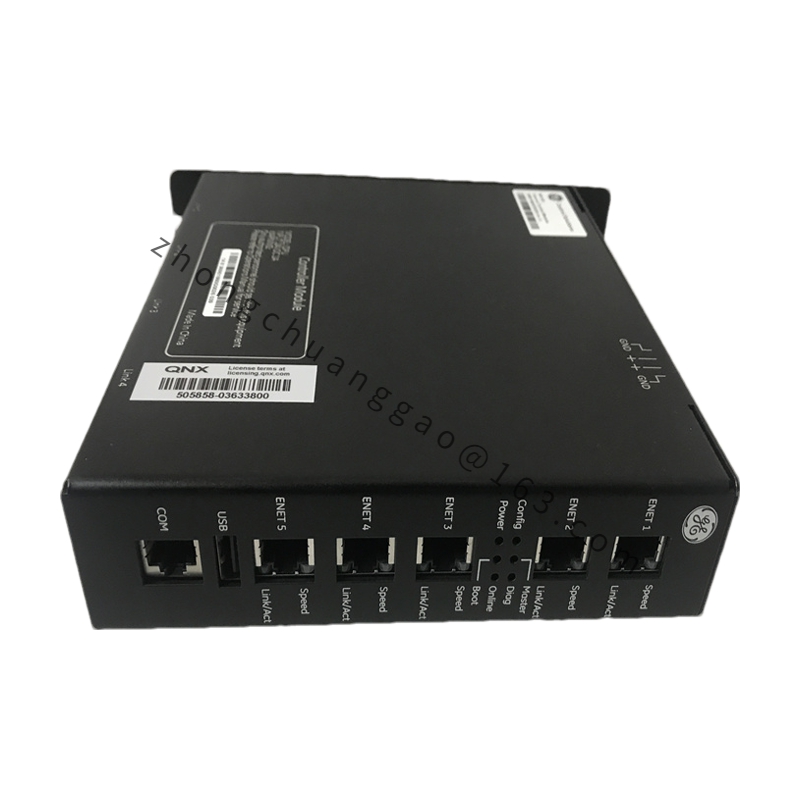
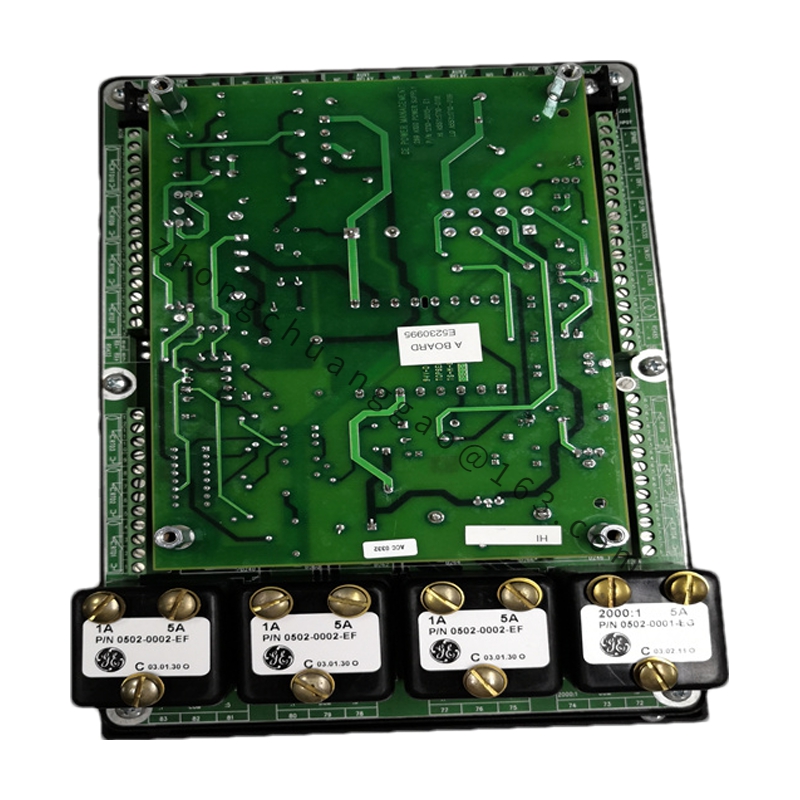
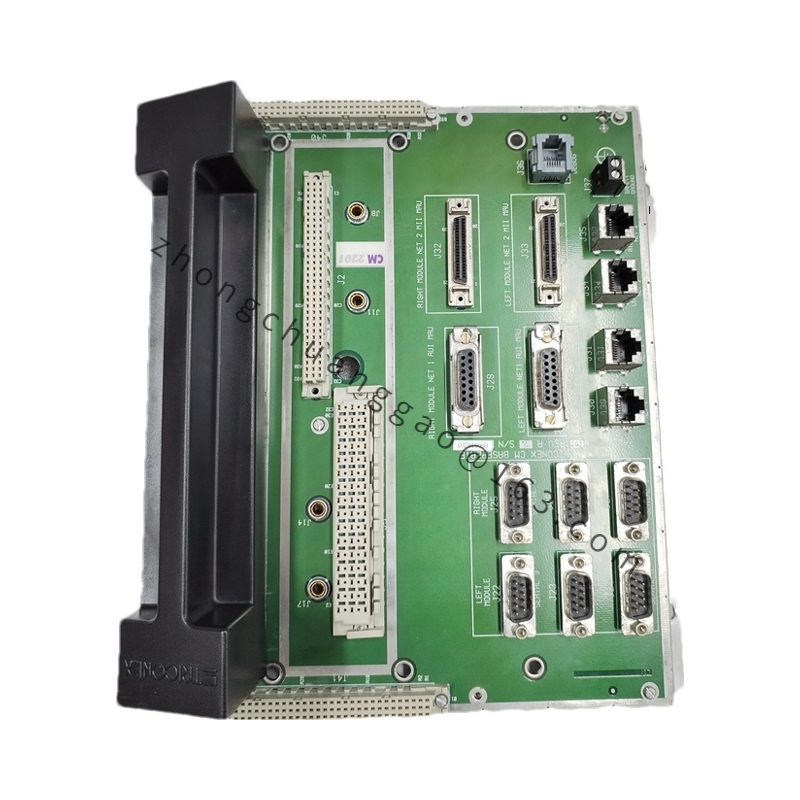
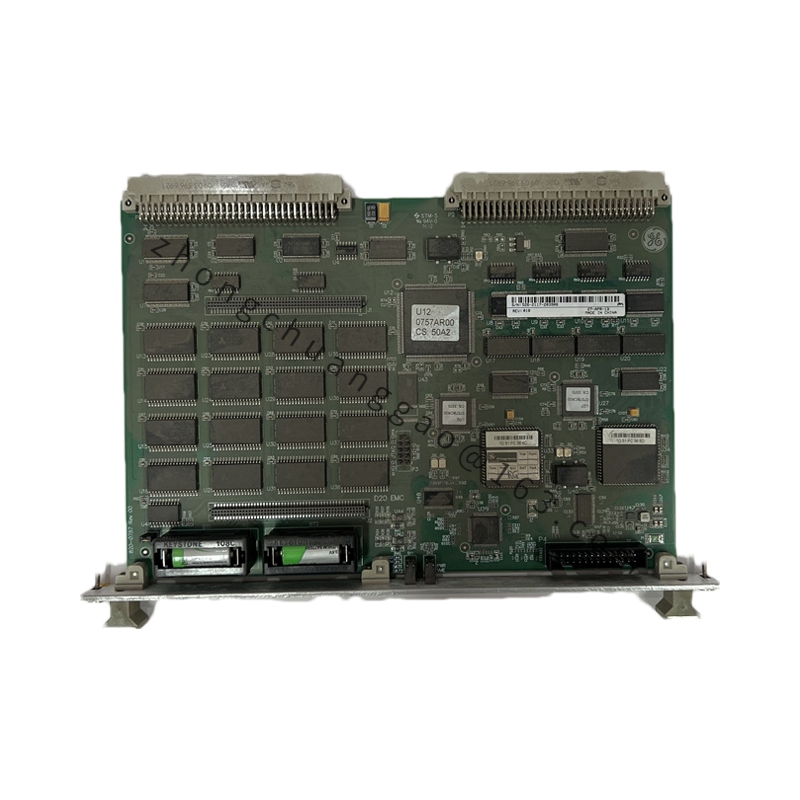
Product Name: GE DS3800NMEA1 Vibration Monitoring Module
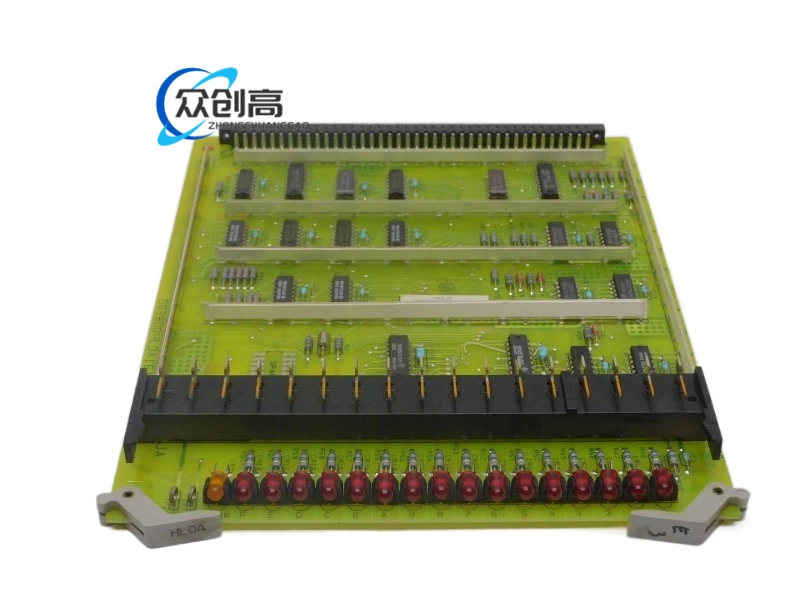
Product Overview: The DS3800NMEA1 is a vibration monitoring module developed for the Mark VI series, part of the GE Speedtronic control system. It collects and processes vibration probe signals from DVIB and TVIB terminal boards, digitizes the analog signals, and transmits them via the VME bus to the controller for equipment data monitoring and closed-loop feedback control. The DS3800NMEA1K1H is a variant of this module with specific revision codes.
Detailed content
Technical Specifications:
- Brand: GE (General Electric)
- System Series: Mark VI / Speedtronic
- Input Voltage: 24 V DC
- Working Temperature Range: 0 °C to 60 °C / -40 °C to 70 °C
- Memory: 32 KB
- Microprocessor: 80C186 / 32-bit RISC
- Processor Frequency: 12 MHz
- Maximum Connected Probes: Up to 14 probes
- Communication: VME bus
- Weight: Approximately 0.85 kg / 375 g
- Dimensions: Approximately 100 mm × 50 mm × 30 mm / 166 mm × 112 mm × 36 mm
Functional Features:
- Professional vibration monitoring: precisely measures differential expansion, rotor eccentricity, mechanical vibration, and rotor axial position
- Compatible with multiple industrial monitoring probe types: Seismic probes, Proximitor probes, Velomitor probes, Accelerometer probes
- Onboard self-test indicators: 3 sets of LED indicators corresponding to device fault, system status, and operating conditions
- Stable power supply mode: provides stable power to externally connected monitoring probes
- Supports Simplex and TMR (Triple Modular Redundant) operating modes
Application Scenarios: Integrated control of gas turbines, steam turbines, centrifugal compressors, and axial compressors.
Structural & Reliability Features:
- Compact light-weight structure for easy on-site deployment
- High-reliability industrial design with strong environmental adaptability and low failure rate
- Supports TMR triple redundant module architecture to effectively improve the fault tolerance and overall operational safety of the control system