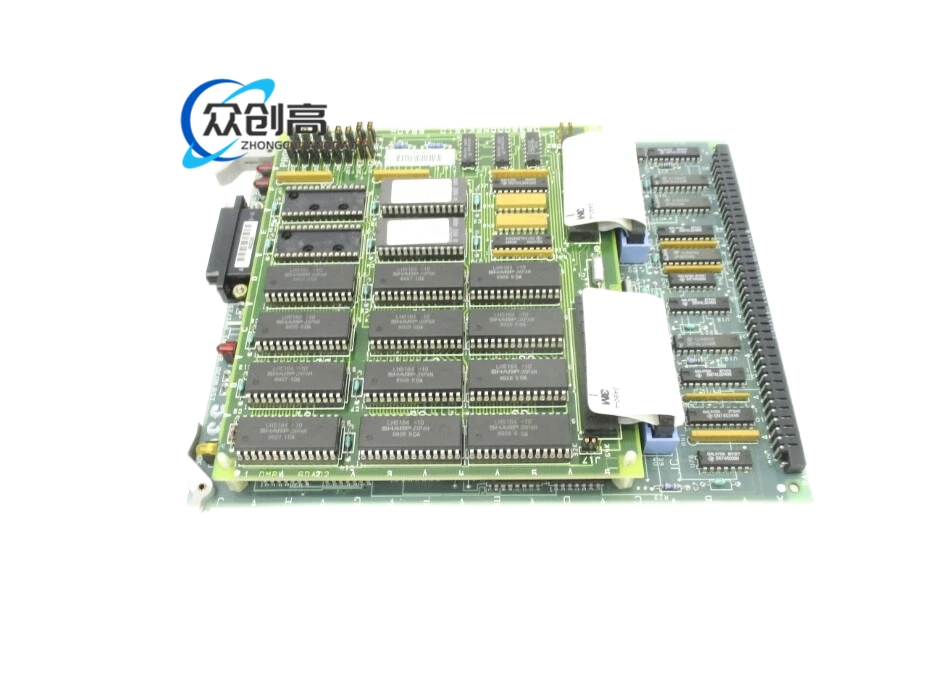
Product Name: GE Mark IV / Early Mark V High-Resolution Display/Data Board (HRDB)
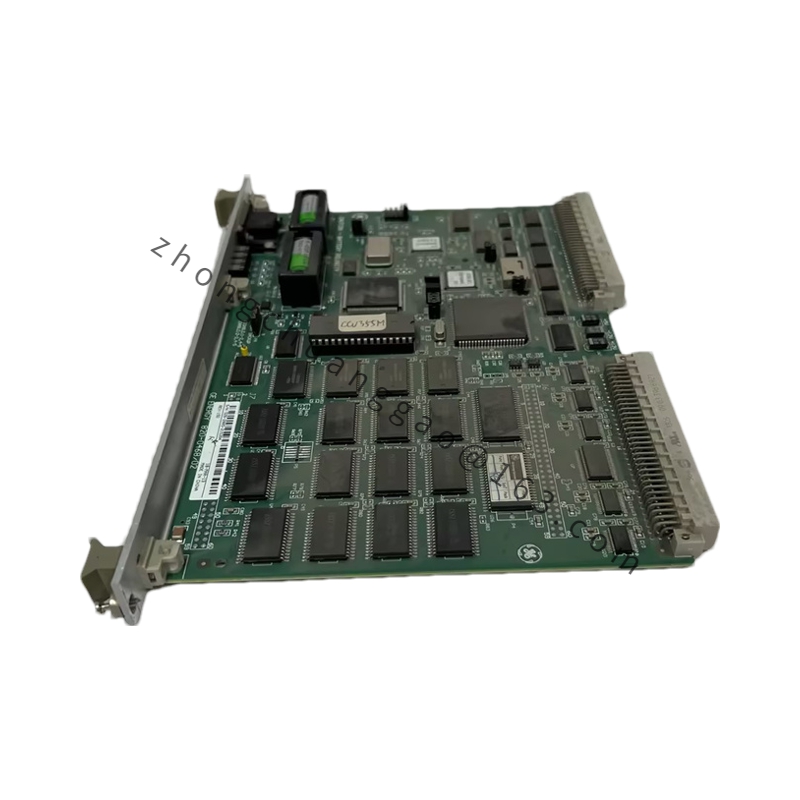
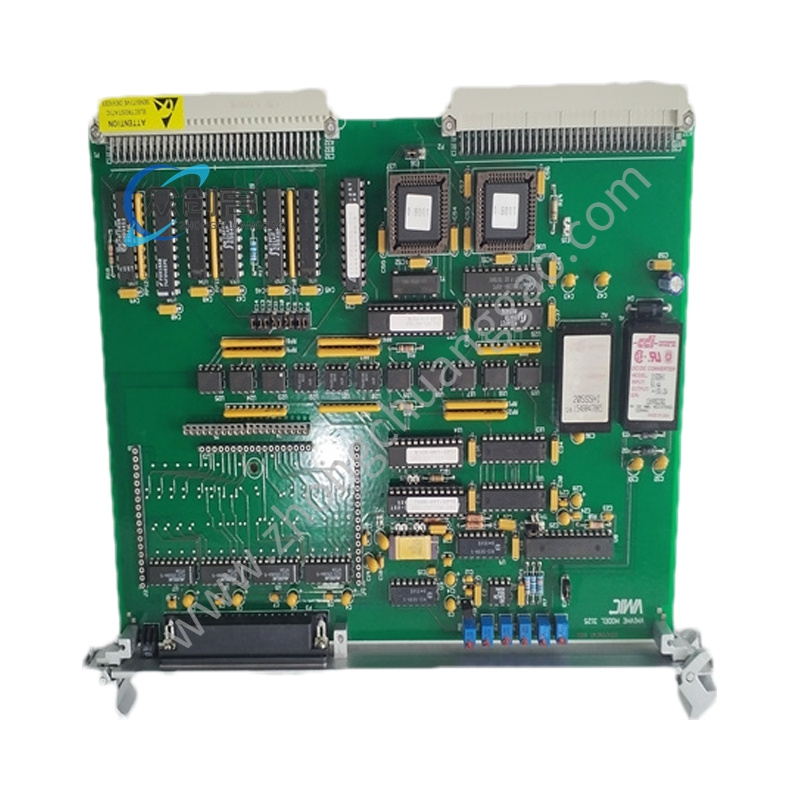
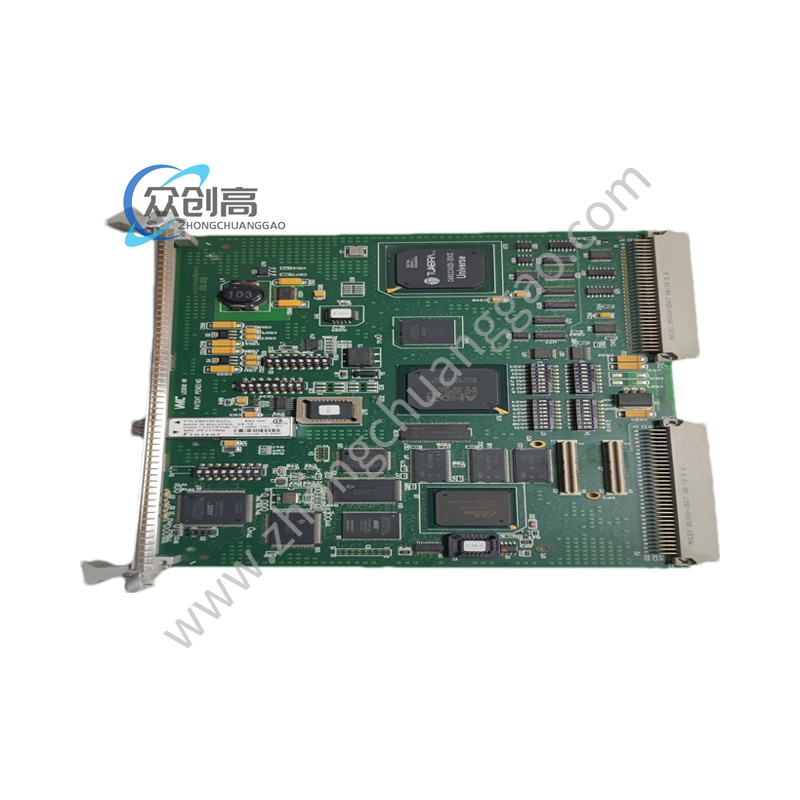
Product Introduction: The DS3800HRDB1D1D is a specialized high-resolution data/display board utilized across legacy GE Speedtronic turbine control platforms. It functions as a critical bridge between the central processor and the data visualization or communication subsystems, rapidly processing complex signal data into a format usable by the system’s operator interface or upper-level networks.
Functional Features: Manages high-resolution data processing and interface signals. Over twenty EPROM and EEPROM chips ensure robust data storage and performance optimization. The “B1D1D” revision indicates specific component upgrades for noise immunity.
Application Scenarios: Legacy HMI and processor communication in GE Mark IV and early Mark V turbine control systems.
Installation Requirements: Use Lockout/Tagout (LOTO) to fully de-energize the control cabinet. Wear a grounded ESD wrist strap to protect on-board logic chips. Photograph all jumper settings and socketed PROMs on the old board before removal. Carefully transfer any custom PROM chips from the original board to the new DS3800HRDB1D1D using a dedicated IC puller, matching all jumper positions exactly. Slide the board into the rack and firmly seat it into the backplane.
Usage Notes: The hardware is generally “blank” and requires the PROMs from the specific site configuration to function — firmware porting is mandatory. Because these boards contain aging integrated circuits and EPROMs, purchasing new surplus is the only way to guarantee maximum remaining service life; refurbished units may exhibit “logic drift” or invisible thermal damage. After re-energizing, check the system diagnostic screen for “Board Healthy” status and verify that high-resolution data populates the HMI with no “Communication Timeout” errors.