GE DS3800HMPK1J1J
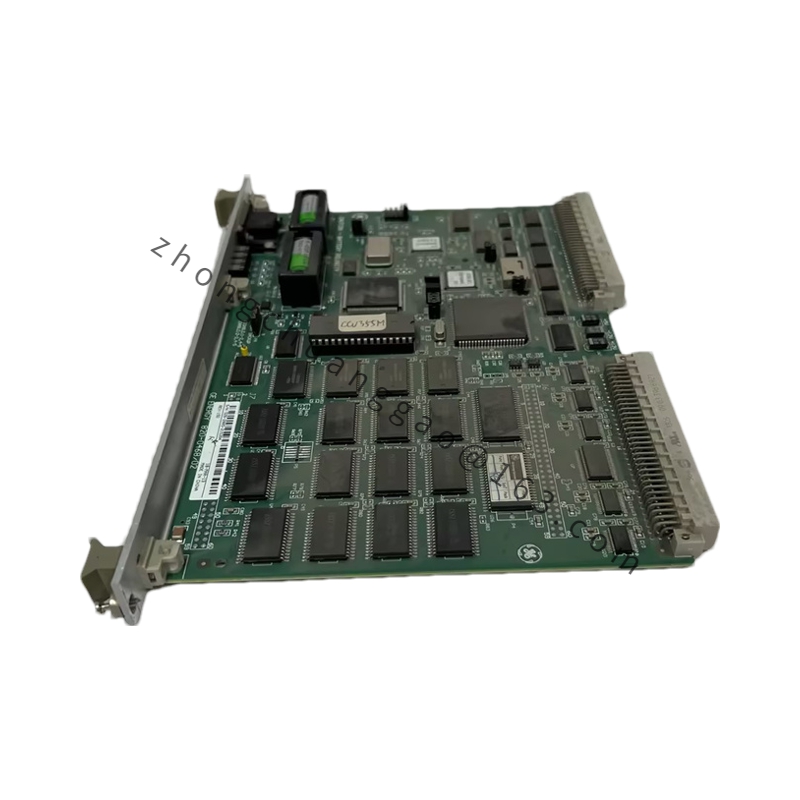
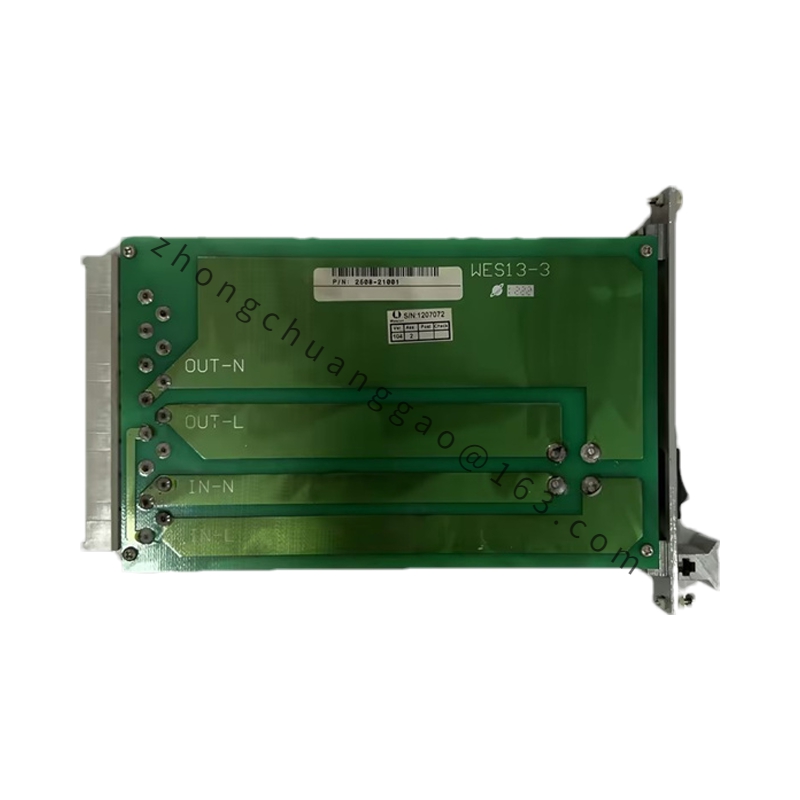
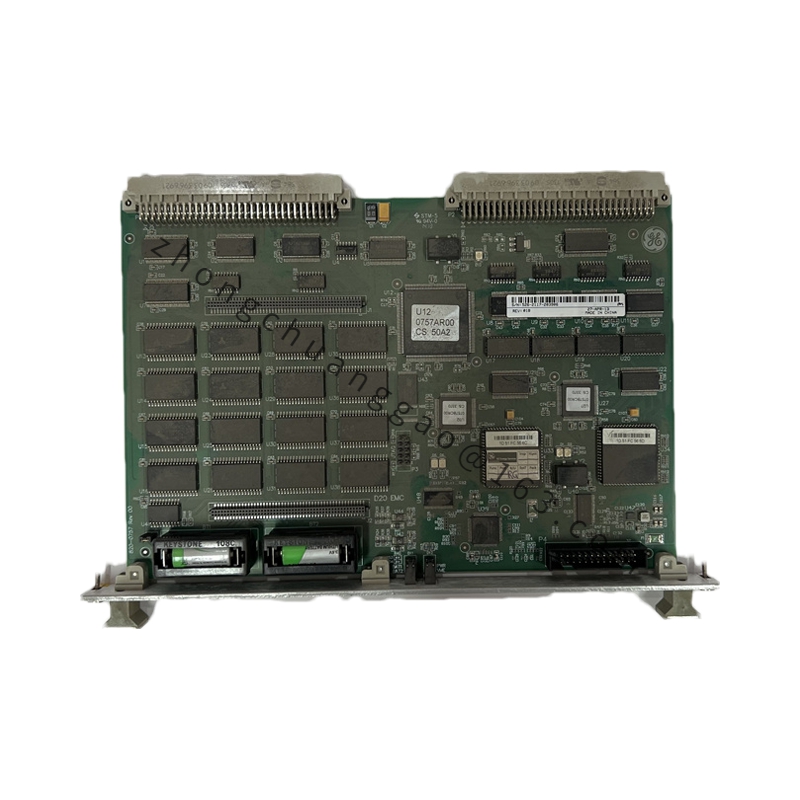
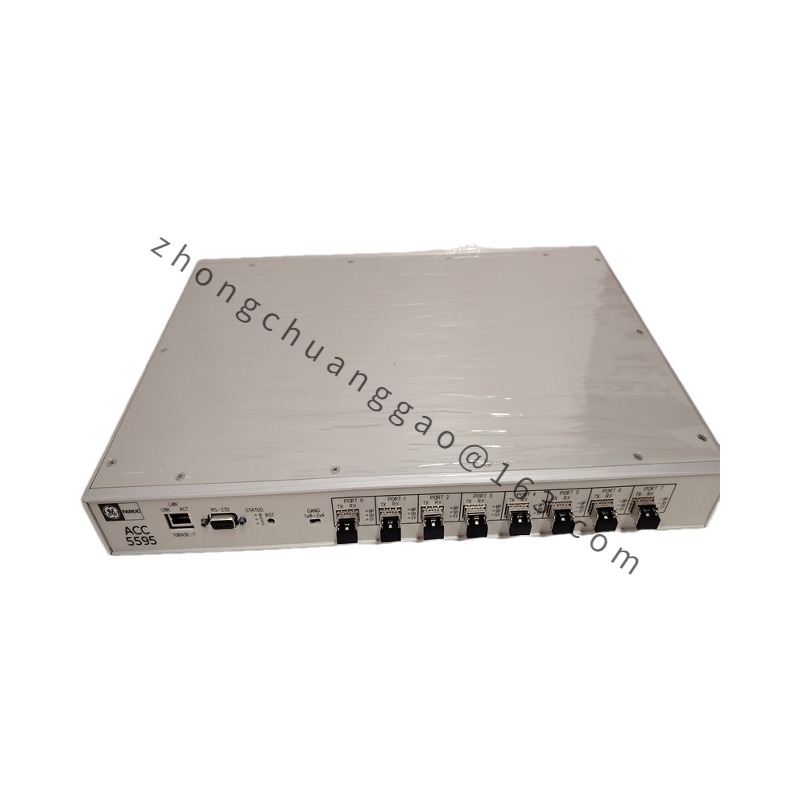
Product Name: GE Speedtronic Mark IV Microprocessor Control Board
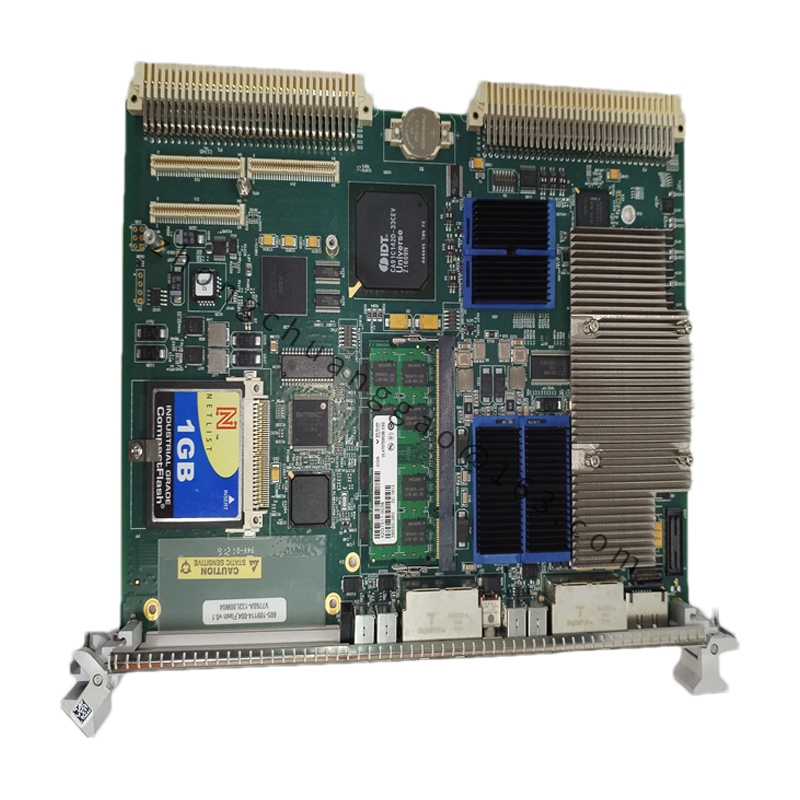
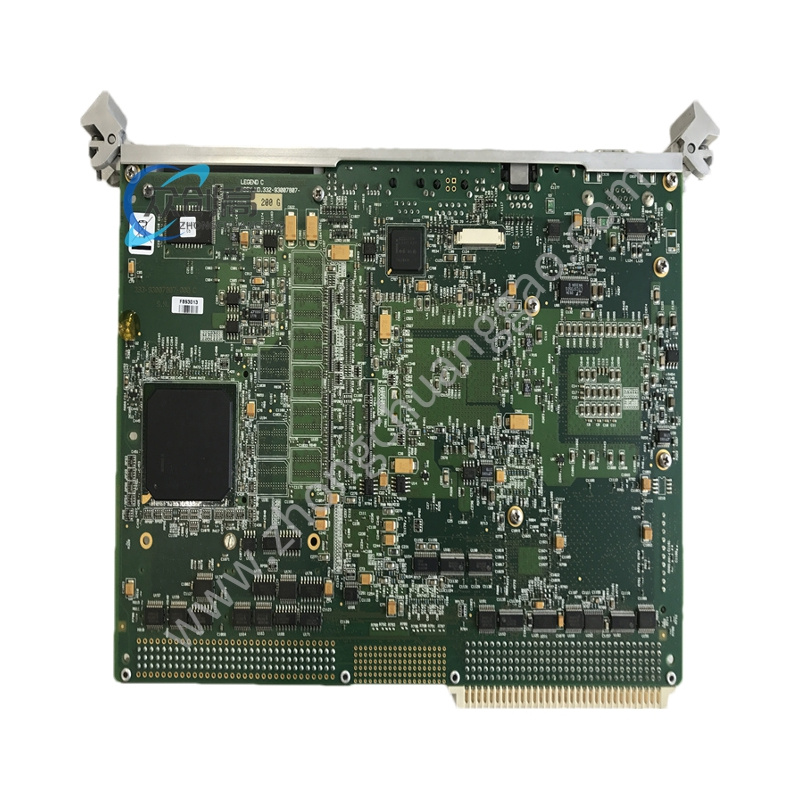
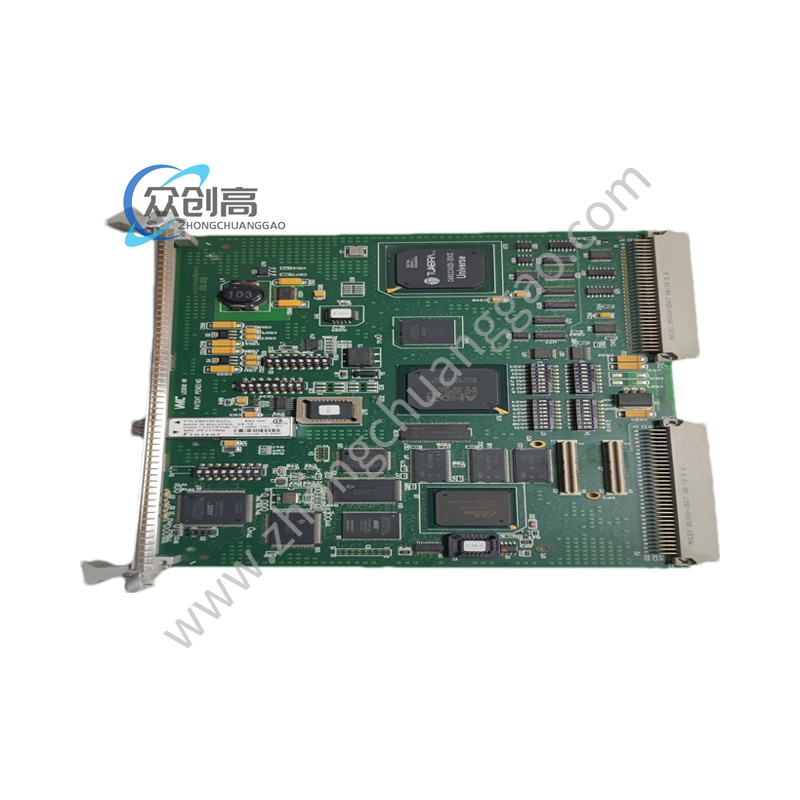
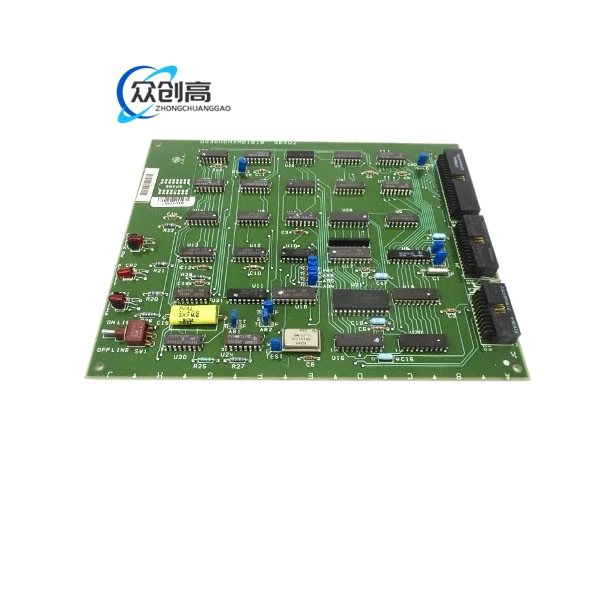
Product Introduction: The DS3800HMPK1J1J is a microprocessor control board developed by General Electric for the Speedtronic Mark IV gas and steam turbine control systems. The “1J1J” suffix denotes a specific hardware and firmware revision pairing, which is critical for like-for-like replacement and rack compatibility. In a Mark IV card set, this board functions as the main logic and processing module, coordinating data across the backplane and governing the behavior of attached I/O boards.
Detailed content
Technical Specifications:
- Processor Core: Motorola 68000-series, 12 MHz nominal
- I/O Capacity: Up to 100+ analog and discrete channels via the backplane bus
- Scan/Update Rate: 10–20 ms typical for core control loops
- Power Input: 5 V / 12 V / 28 V DC fused rails supplied by the Mark IV backplane
- Power Consumption: < 50 W total typical
- Weight: 32 lbs (14.5 kg)
- Operating Temperature: -20 °C to +70 °C (-4 °F to 158 °F)
- Humidity Tolerance: 5% to 95% non-condensing
- Vibration Tolerance: 15 g operational, 30 g shock
- Interfaces: J1/J2 modular connectors, serial diagnostic ports
- Mounting: Retention lever into Mark IV slot
- Cooling: Passive / conduction cooling in a ventilated cabinet
- Environmental Protection: Conformal-coated FR4 PCB, tinned buses, potted connectors
Functional Features:
- Dual-port RAM sharing state with redundant cores in TMR configurations ensures that no single-board upset drops turbine thrust.
- On-board watchdog resets hung code within 500 ms.
- EMI gaskets block interference from arc chutes and other high-noise sources.
- Status LEDs display health, fault, and mode information without requiring tools.
- Field integration through SPEEDTRONIC buses; diagnostic serial links (≤ 19.2 k baud) dump fault latches to CIMPLICITY, while discrete stacks drive < 50 mA outputs for breakers or solenoids.
- Self-test cycles run on boot, flagging PROM checksum or RAM errors; force tables allow offline simulation to validate logic without spooling the turbine.
- EPROM sockets permit site-specific firmware tweaks.
- MTBF exceeds 200,000 hours through mil-spec components and passive cooling.
Application Scenarios:
Gas turbine start/stop sequencing and protection; steam turbine control in industrial cogeneration facilities; combined-cycle plants running legacy Mark IV panels; process plants and refineries relying on stable Mark IV interlocks.
Installation Requirements:
Cycle breakers to fully de-energize the rails before installation. Align the retention levers over the slot guides and press straight in—J1/J2 must seat with an audible click before latching. After seating, verify ribbon continuity, torque ground straps to 10 in-lbs, and maintain a minimum 6-inch clearance from turbine heat pipes for airflow. Ground the cabinet single-point to the shaft to eliminate excitation noise loops.
Usage Precautions:
Always wear a static strap when handling near live turbine environments. Swap EPROMs only with verified dumps. Quarterly, reseat J1/J2 and vacuum the slots; log vibration trends to preempt board flex. Biannually, probe rail voltages (±5%) and scan latches for sticky faults via a handheld device. In dusty or humid climates, place silica-gel packs near the vents. Cold-boot self-tests catch the majority of faults; run offline force simulations annually during planned outages.