Digital guide

You are here:

GE DS200TCQAG1ADC

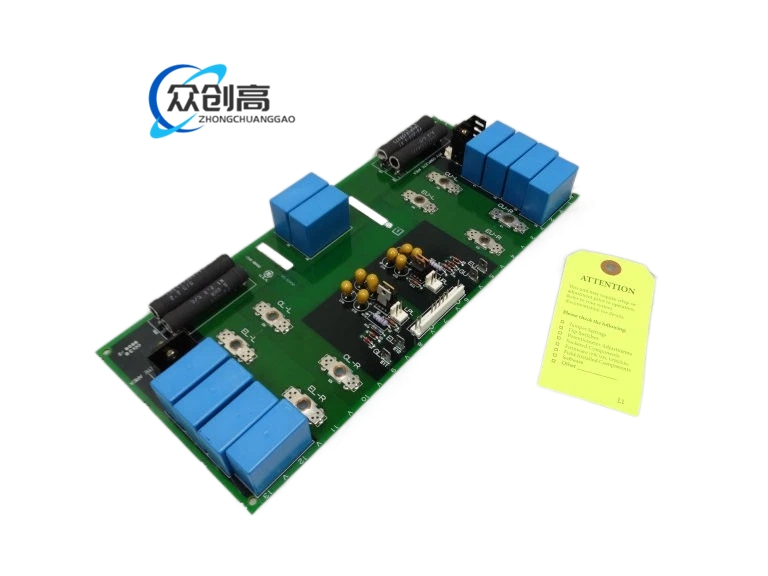
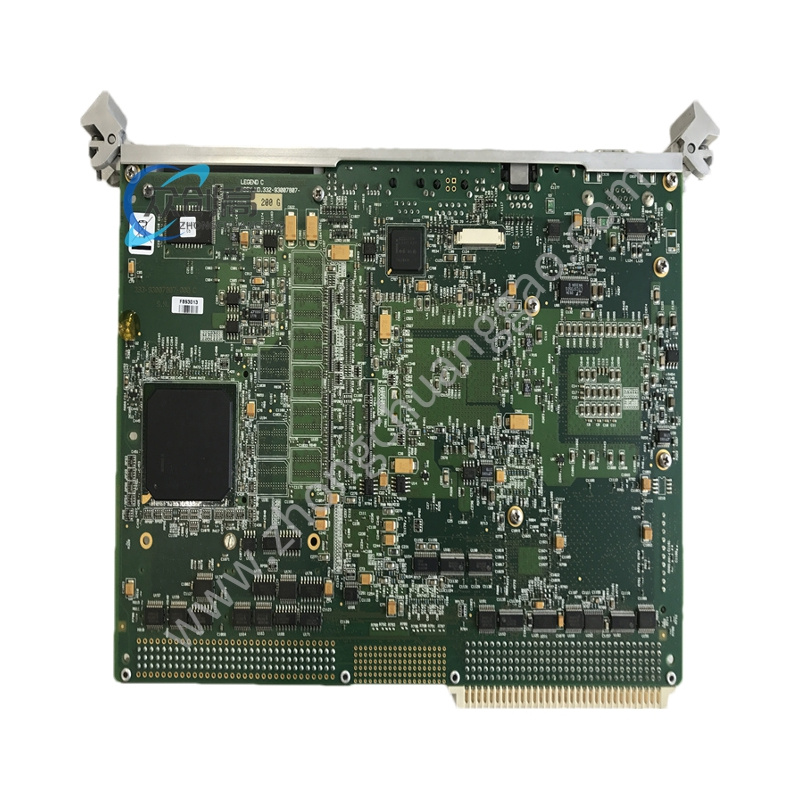
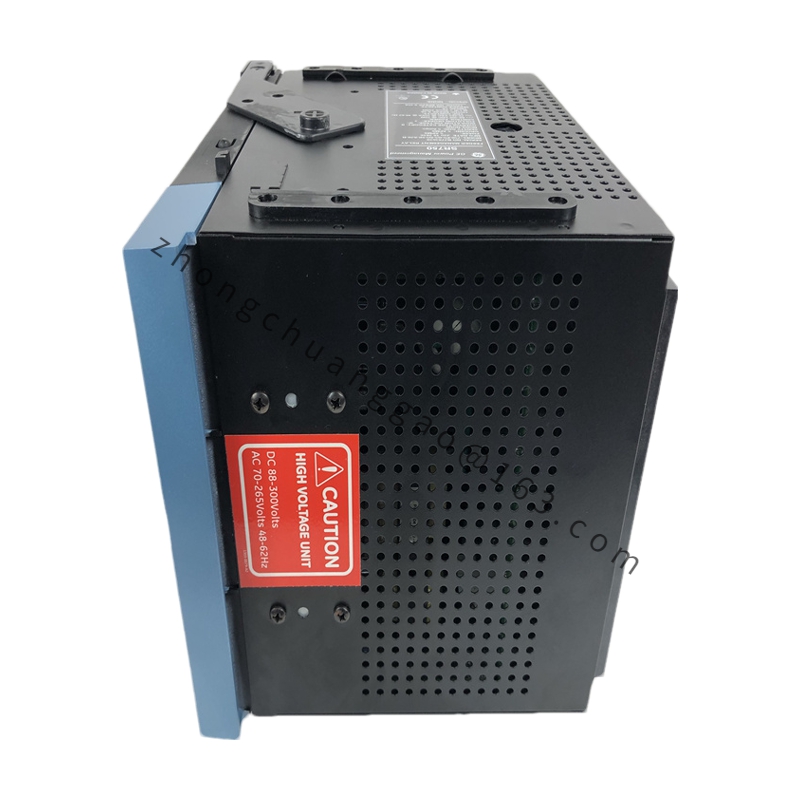
GE DS200TCQAG1ADC is an Analog I/O Board specifically designed for GE Mark V Speedtronic turbine control systems, functioning as a scaling and conditioning module for a wide range of analog signals used in gas and steam turbine operations.
  • Technical Specifications
    • Control System: Speedtronic Mark V
Detailed content

    • Board Type: Analog I/O Board
    • Board Dimensions: 13.5 in × 9.0 in (standard Mark V form factor)
    • Revision Level: ADC (compatible with major revision E)
    • Operating Temperature: 0°C to 60°C (32°F to 140°F)
    • Input Support: LVDT/LVDR position, Thermocouples, 4–20 mA, Pulse rate, Vibration
    • Output Support: Servo valve outputs, Relay drivers, Scaled mA outputs
    • Hardware Jumpers: J1, J2, J5, J6 (for mA output range configuration up to 200 mA)
    • Key Connectors: 2PL (Power), 3PL (STCA interface), JE (TCQC interface), JG (±10 V DC / Vib)
  • Functional Characteristics
    • Signal scaling and conditioning for R1, R2, and R3 I/O cores
    • Real-time valve position monitoring via LVDT/LVDR for closed-loop servo control
    • Fuel pressure and flow signal regulation for stable power delivery
    • Thermocouple reading for exhaust gas temperature (EGT) and bearing temperature monitoring
    • Functions as the primary sensory interface converting field analog signals for control processors
  • Application Scenarios
    • Gas and steam turbine control
    • Valve tracking and positioning
    • Temperature monitoring (EGT, bearing)
    • Fuel regulation and turbine protection
  • Installation Requirements
    • Install in Mark V standard form factor rack
    • Configure hardware jumpers J1, J2, J5, J6 for required mA output range (up to 200 mA)
    • Connect power via 2PL connector, STCA interface via 3PL, TCQC via JE, and ±10 V DC / vibration signals via JG
    • Ensure proper seating in R1, R2, or R3 I/O core slots
  • Usage Notes
    • Maintain ambient temperature within 0°C to 60°C
    • Verify jumper settings before power-up to prevent signal misconfiguration
    • Handle with ESD precautions; board is sensitive to static discharge

You may also like