GE DS200DSPCH1A
Product Name: GE Mark V Speedtronic Digital Signal Processor Control Board (DSPC)
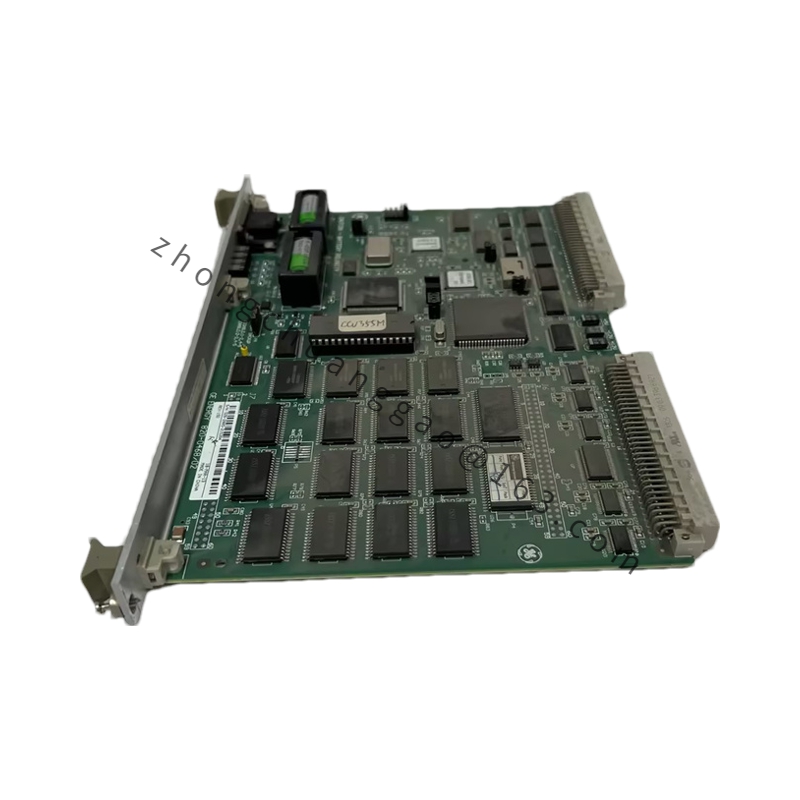
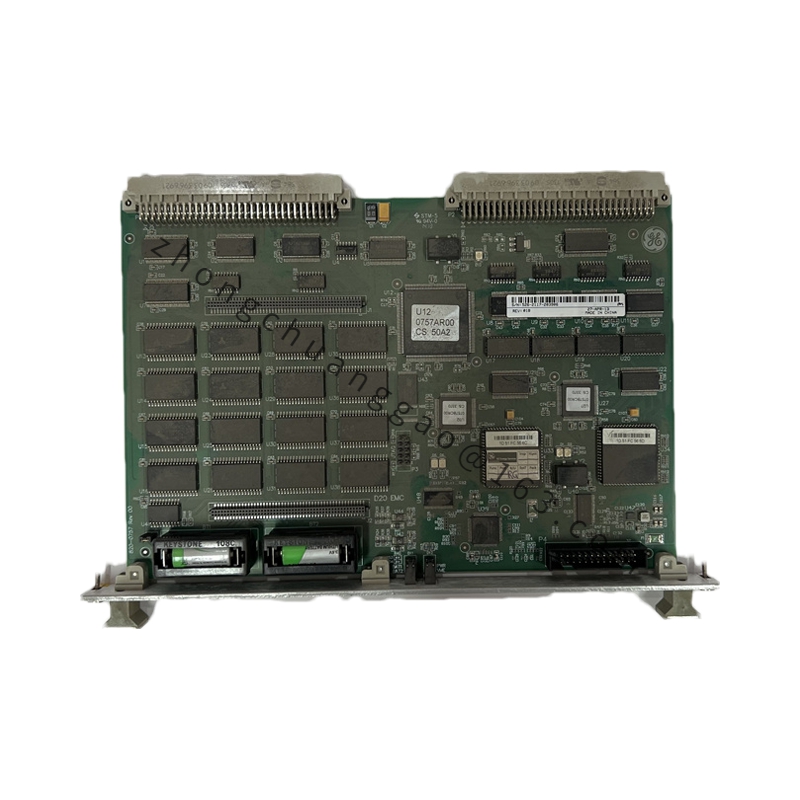
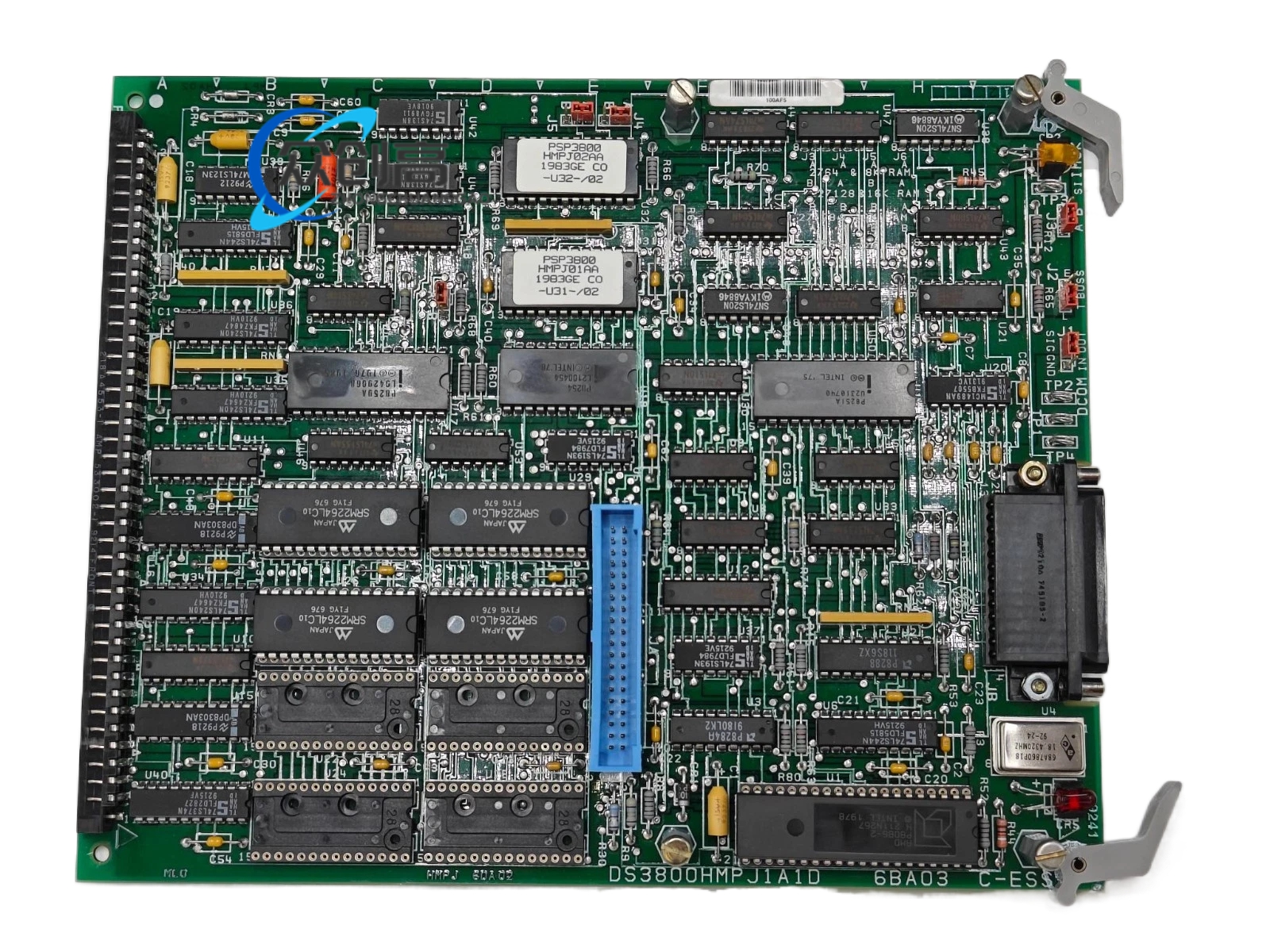
Overview: The DS200DSPCH1A is a high-speed digital signal processing board designed for GE Mark V Speedtronic turbine control platforms. It executes real-time control algorithms and provides local high-speed I/O capability, functioning as either a master or a slave device on the system VME bus. The board carries its own memory and interfaces to daughterboards for signal scaling, buffering, isolation and conditioning.
Detailed content
Technical Specifications:
- Model: DS200DSPCH1A / DS200DSPCH1ADA
- Series: GE Mark V Speedtronic
- Processor: Texas Instruments TMS320C6748 DSP
- Bus Interface: VME bus (master or slave)
- Memory: Onboard memory for program and data (capacity revision-dependent)
- LED Indicators: 6 status LEDs (IMOK green, FAIL red, plus 4 software-defined amber)
- Test Points: 4 (TP1–TP4)
- Pushbuttons: 2 (SW1 hard reset, SW2 serial boot)
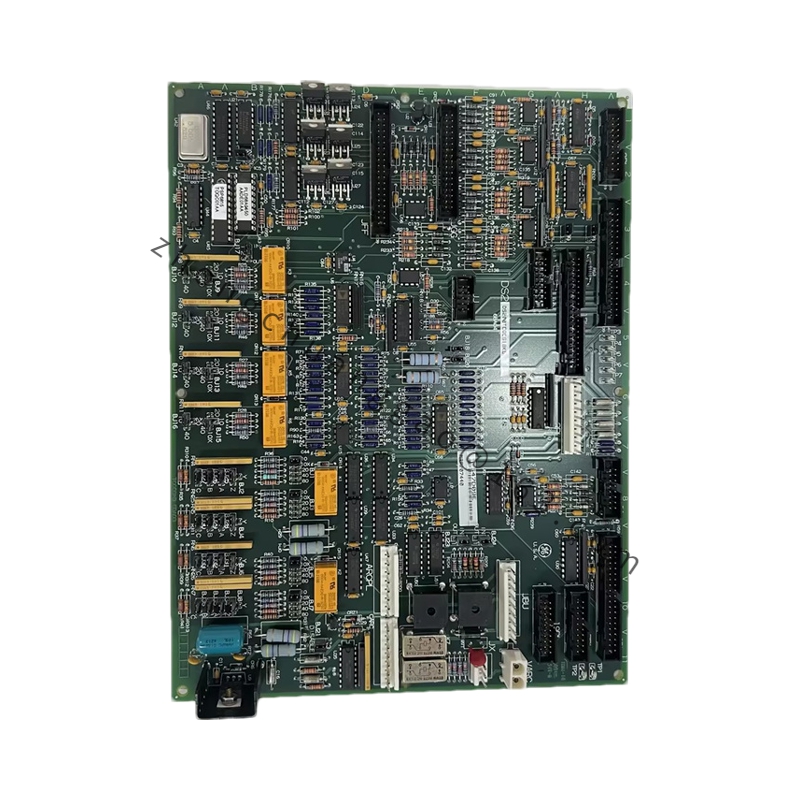
- Daughterboard Support: Up to 4 daughterboards for signal conditioning and isolation
- Backplane Connectors: 2
- Weight: 1.36 kg (3 lb)
- Configuration: Revision-dependent
- Manual Reference: GEI-100220
Structural Features: Standard Mark V PCB form factor; large DSP device at the board center; six LEDs and four test points arranged on the front edge; two pushbutton switches for reset and boot mode; two backplane connectors engage the VME bus; daughterboard headers carry conditioned signals to/from the DSP.
Functional Features: Real-time digital processing for turbine and industrial drive control; VME bus master/slave operation with 8K dual-ported SRAM interface in slave mode; on-board reset via pushbutton, VME sysreset, power-up reset or VME control register write; four reset methods supported; daughterboard provision for analog signal scaling, buffering, isolation and conditioning; status LEDs give immediate visual feedback on board health.
Application Scenarios: GE gas turbine control; GE steam turbine control; industrial turbine drives; generator control systems; GE Mark V Speedtronic systems; power-generation plants; industrial drive applications; legacy turbine-control retrofit projects.
Working Principle: The DSP executes control algorithms on data acquired through the VME bus and local high-speed I/O. Daughterboards condition field signals (scaling, isolation, filtering) before they reach the DSP, and drive processed outputs back to the field. The VME bus handles communication with the host controller; the six LEDs reflect the board’s self-test status, with IMOK indicating normal operation and FAIL indicating a VME-reported fault.
Installation Requirements: Verify the complete board number and Mark V system configuration before installation; record all board connections before removal; remove system power before replacing the board; inspect VME/backplane connectors for damage or oxidation; install the board in the correct rack position; secure the front-panel retaining screws; restore power and check the six status LEDs; verify VME communication and associated I/O; run turbine/drive control diagnostics.
Usage Precautions: The DS200DSPCH1A / DS200DSPCH1ADA is Mark V hardware — it is not a Mark VIe board and is not backward compatible with all legacy systems; verify firmware revision compatibility with the host Mark V architecture before installation; handle with ESD protection at all times; ensure daughterboards are correctly mated before system startup; avoid routing high-power cabling near the board to prevent EMI with high-speed bus signals.