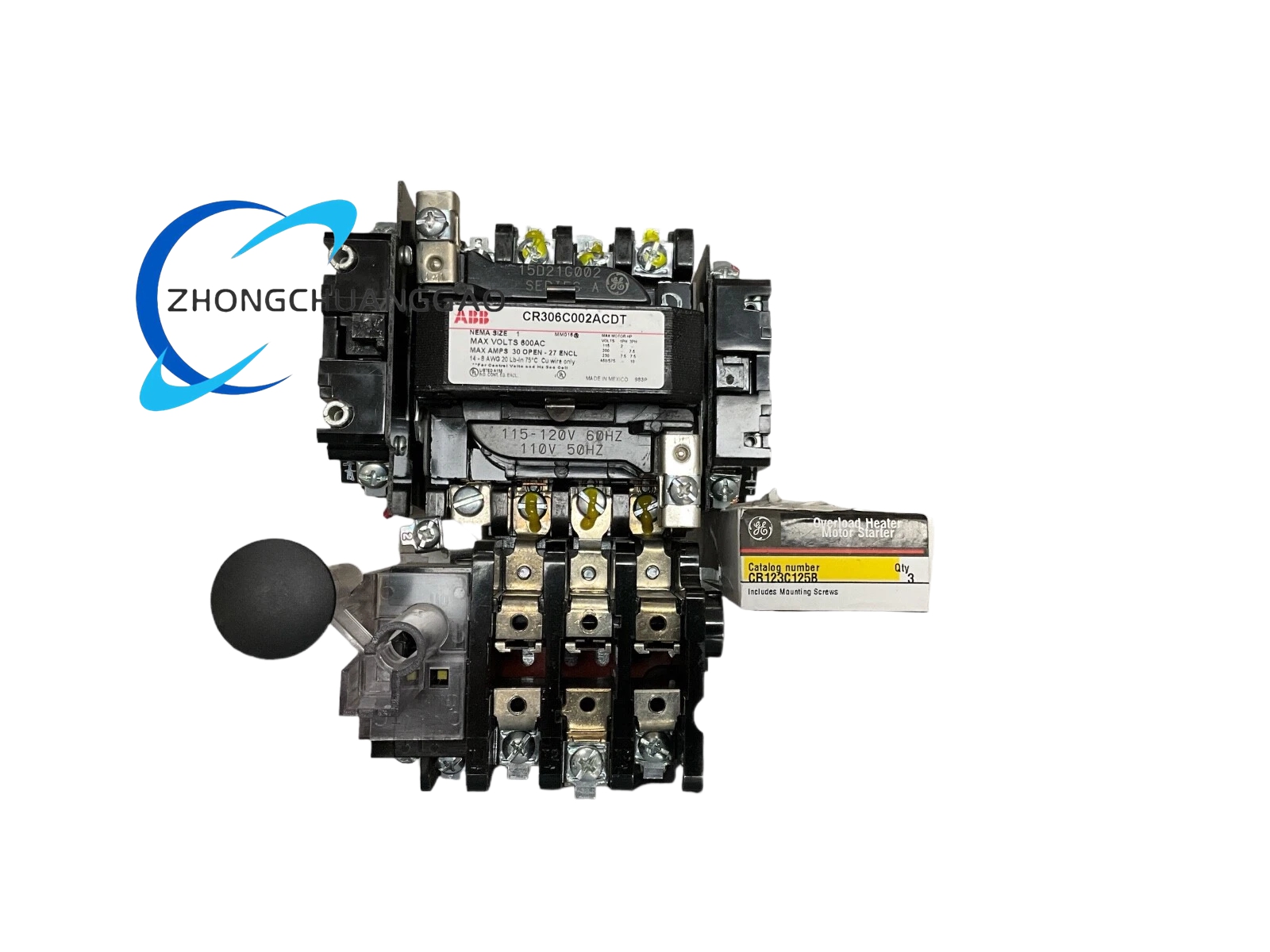
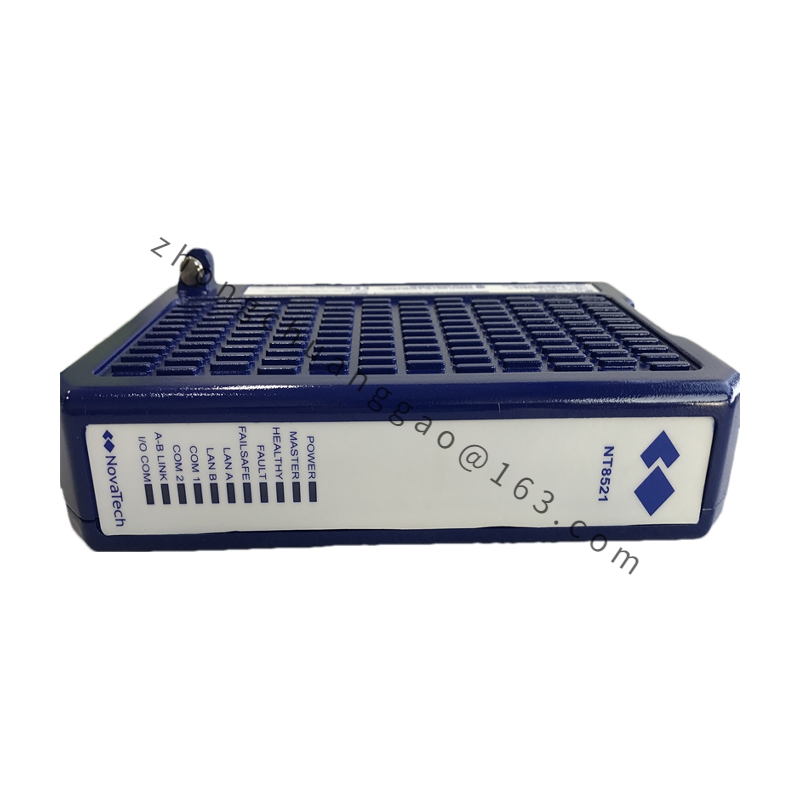
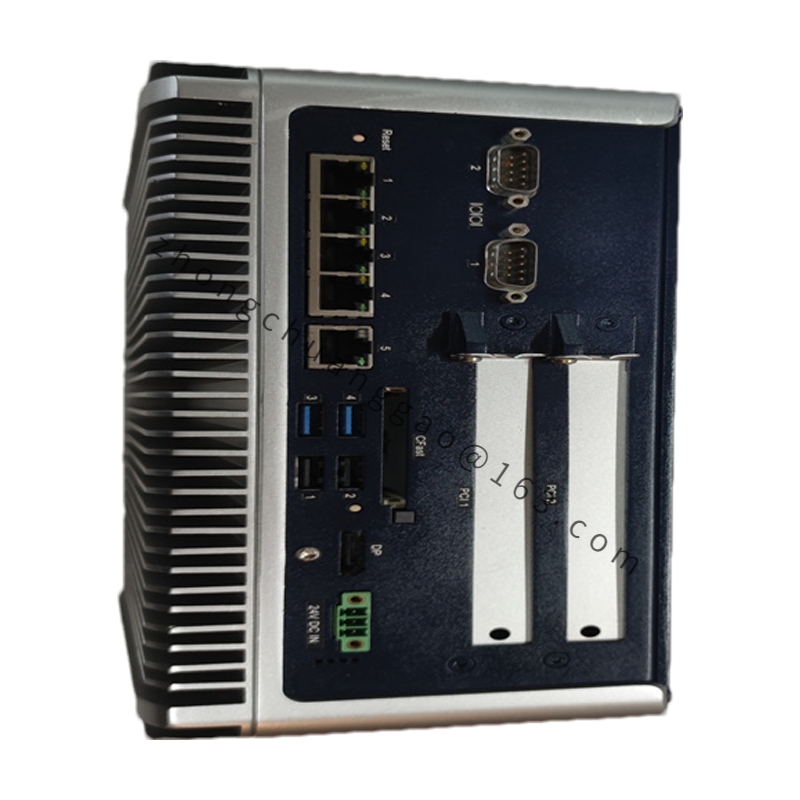
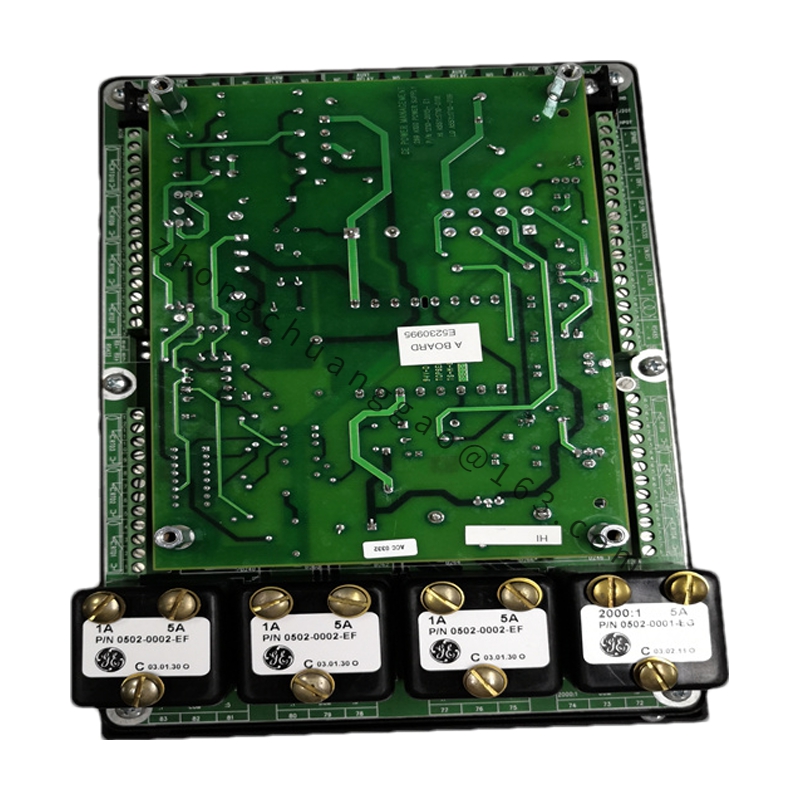
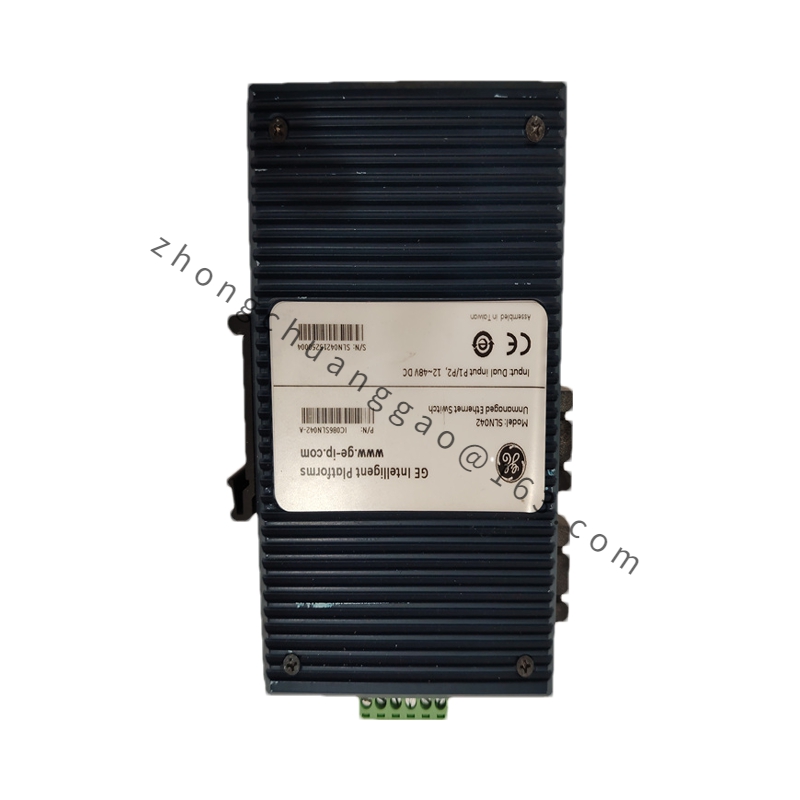
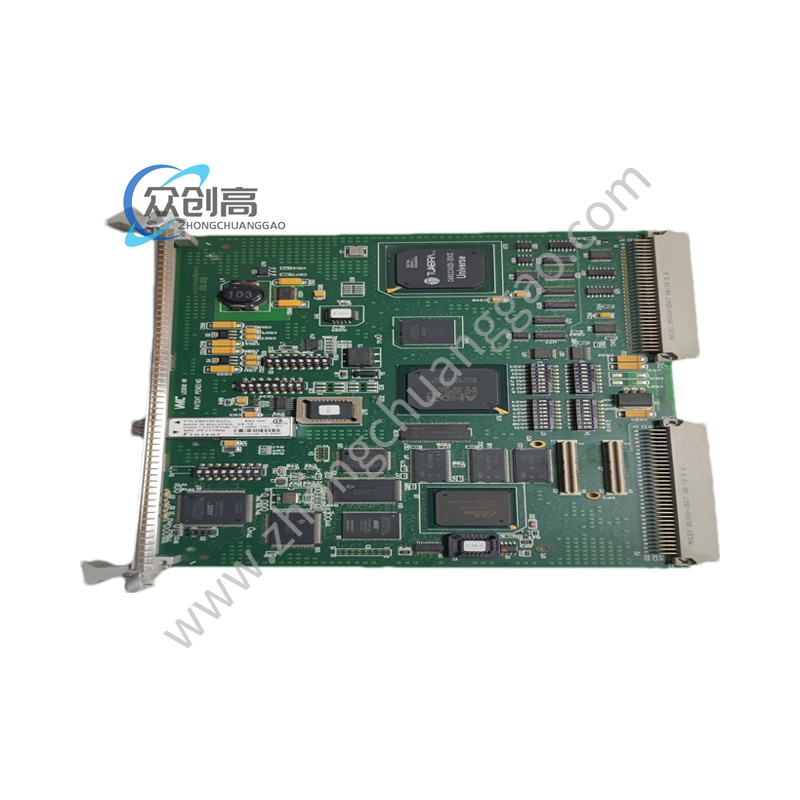
Product Name: GE CR408 Series 32-Channel Relay Dry-Contact Output Module (Mark VIe Distributed I/O)
Introduction: The CR408B694R31AALJA is a 32-channel SPDT dry-contact relay output module within the GE Mark VIe control system. It converts the controller’s digital logic outputs into passive relay contact signals acceptable to field devices, used in switching control scenarios requiring electrical isolation.
Functional Features: Each channel fully electrically isolated; supports NO/NC/CO contact configurations; built-in contact state feedback for real-time monitoring; surge suppression circuit protects contacts from inductive load back-EMF; force output function for debugging.
Material & Structural Features:
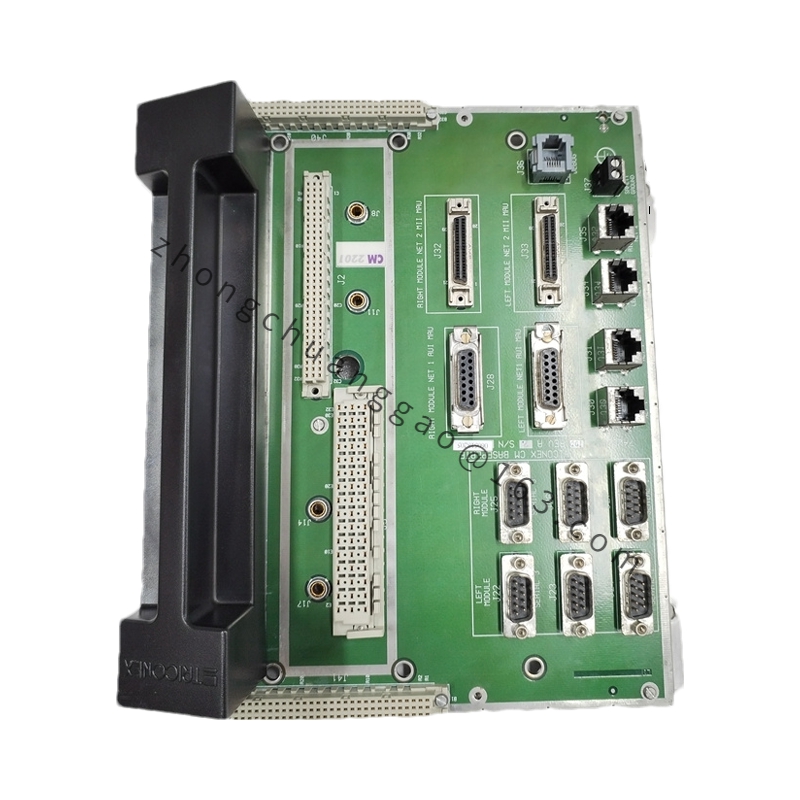
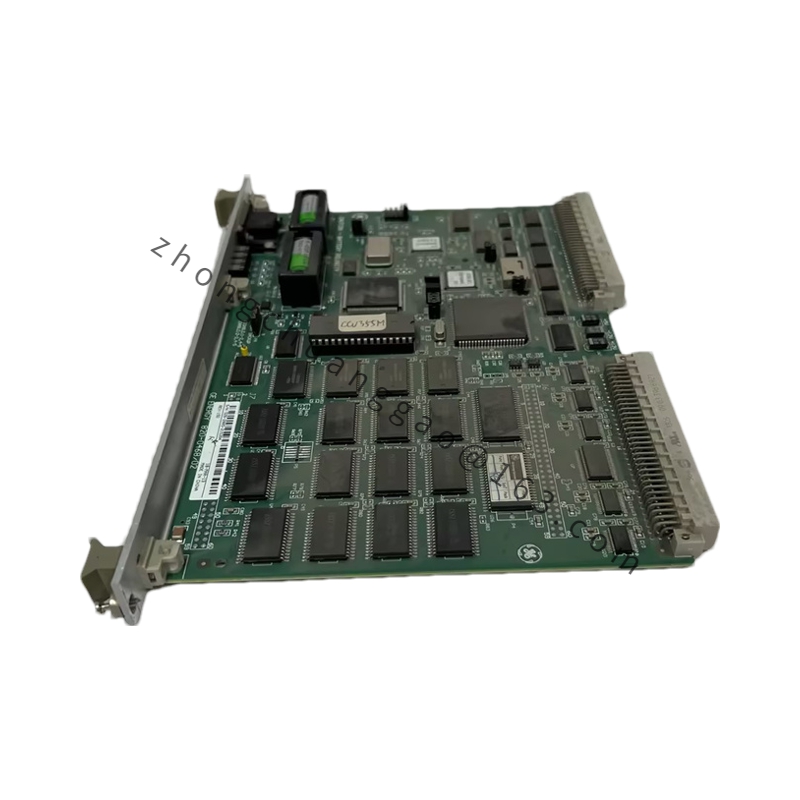
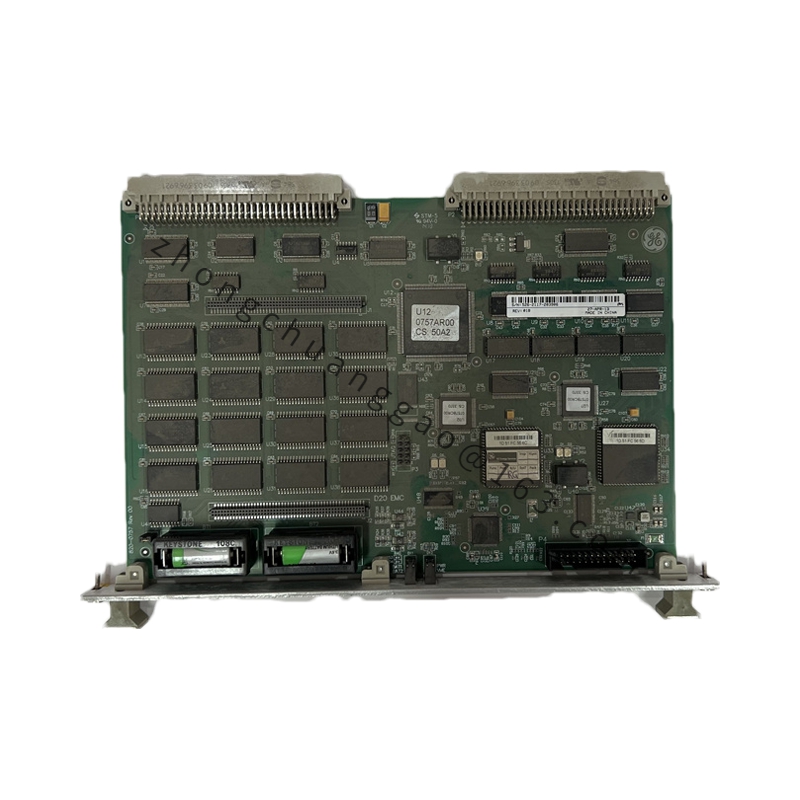
PCB: FR-4 epoxy glass fiber, VME64 standard size (160 mm × 233.4 mm)
Relays: Sealed electromagnetic type with silver-cadmium oxide (AgCdO) contacts
Connectors: Gold-plated contacts with corrosion-resistant alloy housing
Front panel: 32 groups of wiring terminals, grouped for easy connection; top mounted RUN/FAULT LED indicators; bottom DIN 41612 Euro connector
Application Scenarios: Thermal power generation, gas turbines, oil & gas, chemical process control, water treatment, mining equipment.
Installation & Usage Notes: Install in standard Mark VIe VME rack slot. Separate field load wiring from control wiring to avoid EMI. Inductive loads (solenoids, contactor coils) must have freewheeling diodes or RC snubber circuits connected in parallel. Do not exceed 5 A contact rating. Never short output terminals. Module address is set via hardware DIP switch or software (range 0–15). Power down and discharge field load energy before module replacement.