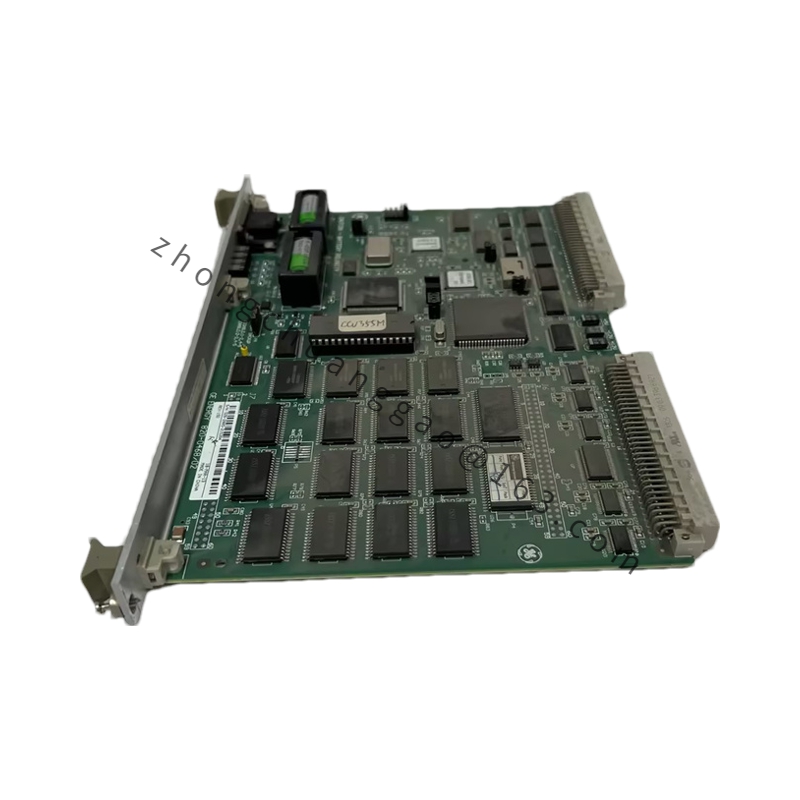
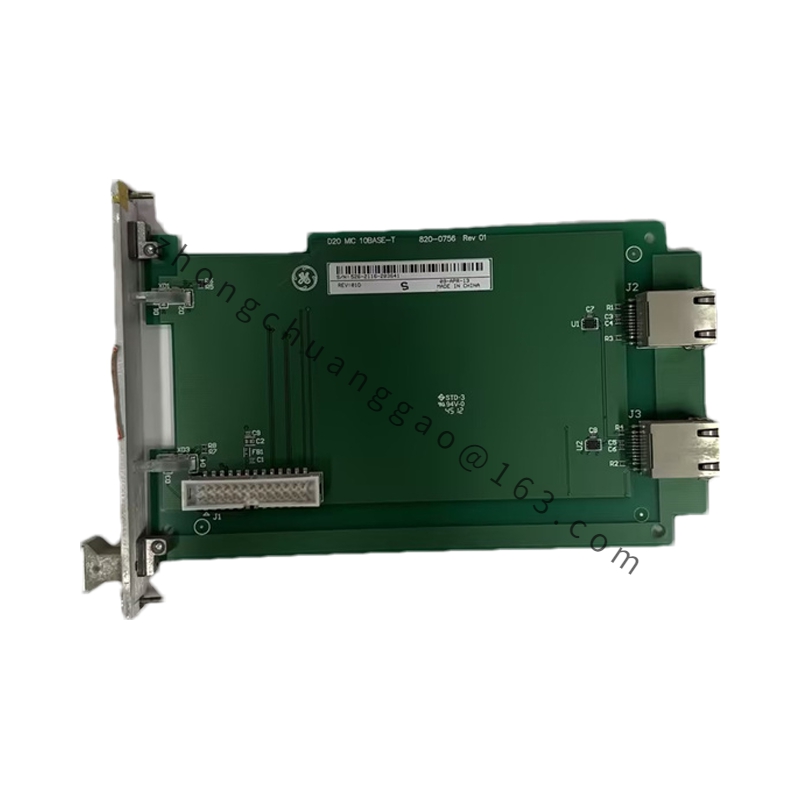
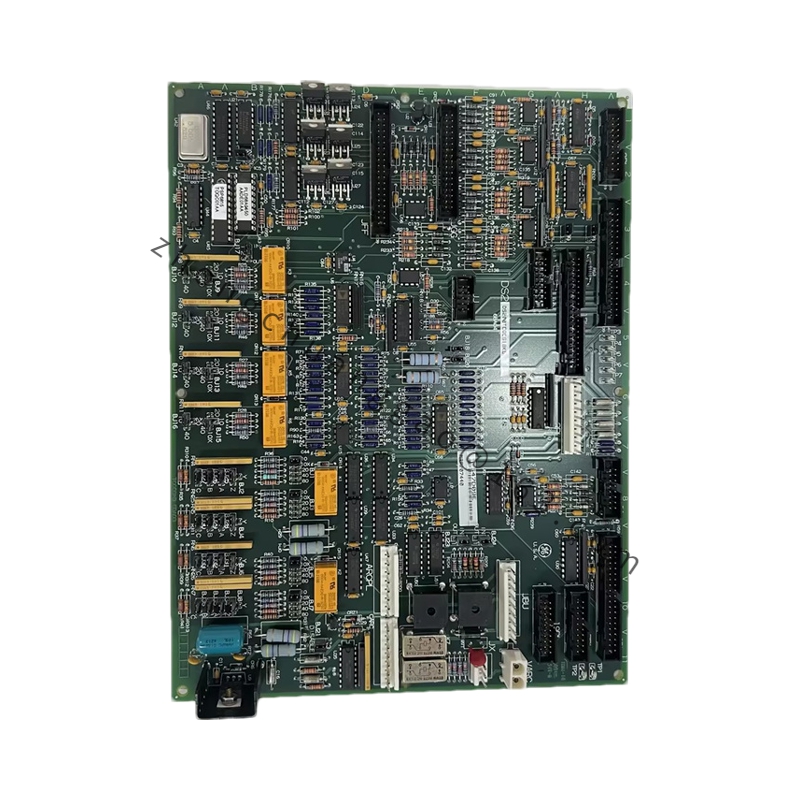
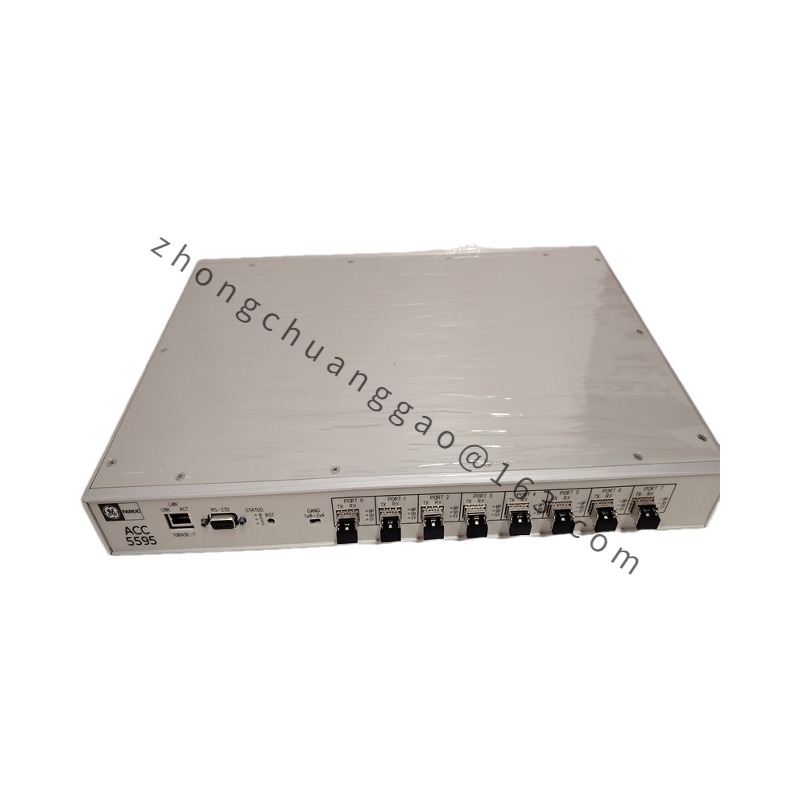
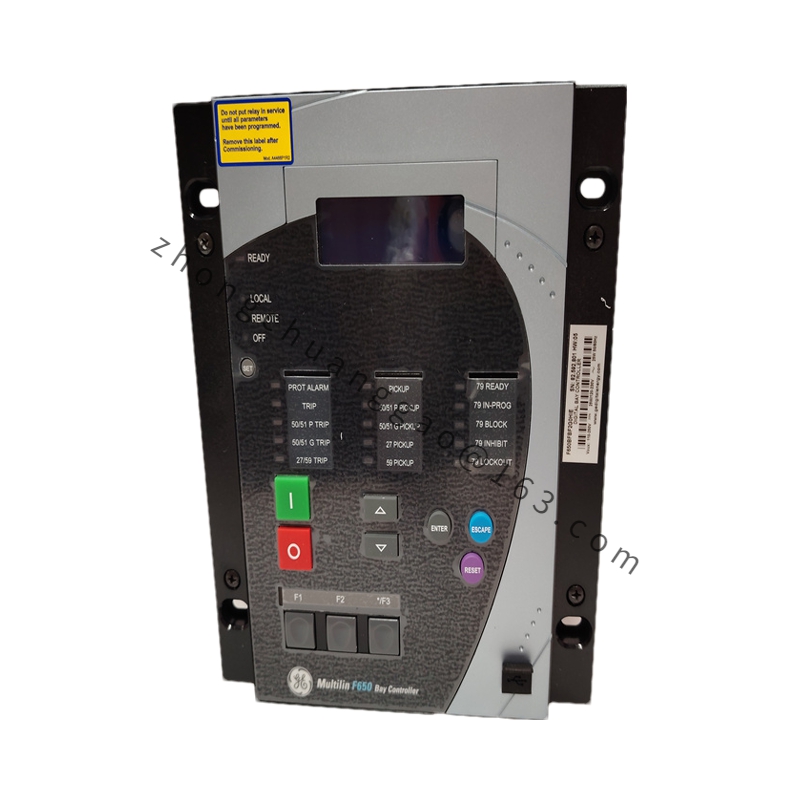
Product Name: GE Multilin 369-HI High-Impedance Fault (HIF) Detection Relay
Overview: A purpose-built configuration of the Multilin 369 platform, engineered specifically for reliable high-impedance fault detection without extensive local control or complex communications. This streamlined variant delivers essential HIF detection in a cost-effective hardware form.
“0-0-0”: Base configuration with minimal optional I/O and standard display
“-E”: Standard enclosure
Core Function: Runs GE’s advanced HIF detection algorithms, optimized to detect the unique, non-linear, and intermittent current signatures of high-impedance faults—such as a downed conductor on asphalt or dry soil—which are typically invisible to standard overcurrent protection.
I/O Configuration: Foundational set of contacts (Trip, Alarm, Auxiliary) and status inputs sufficient for its protection role; foregoes expanded digital I/O or analog output modules.
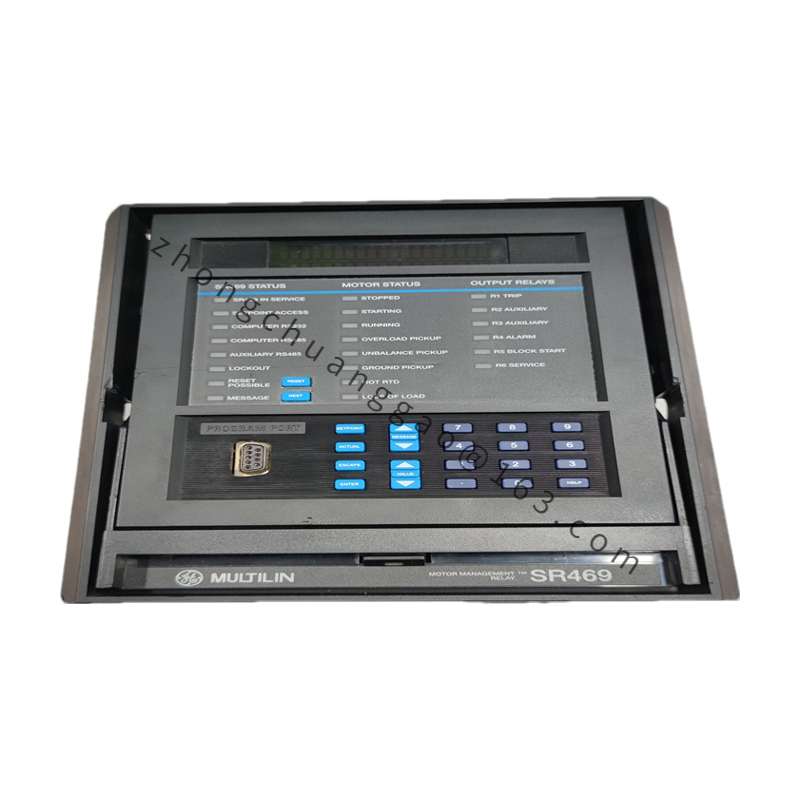
Interface: Standard front-panel HMI with backlit display and keypad for commissioning, basic data review, and manual control.
Applications: Utility overhead distribution feeders (primary or backup HIF detection); industrial radial feeders protecting incoming medium-voltage lines; simplified protection schemes where the trip signal is hardwired directly to a circuit breaker or recloser; retrofit into existing panel spaces where communication networking is not required.
Functional Features: Detects dangerous HIF conditions and acts reliably and securely; optimized for widespread deployment on utility distribution feeders; cost-effective for projects requiring dozens or hundreds of units.
Installation Requirements: Install in a standard enclosure according to GE Grid Solutions guidelines; connect standard 3-phase control power; wire the foundational trip/alarm/auxiliary contacts as required by the protection scheme.
Usage Notes: Commission the relay using the front-panel HMI to set HIF detection parameters; the relay is set-and-forget for its primary HIF detection function; detailed event reporting is secondary to immediate, reliable action—if SCADA integration is required, it must be handled by a separate centralized device.