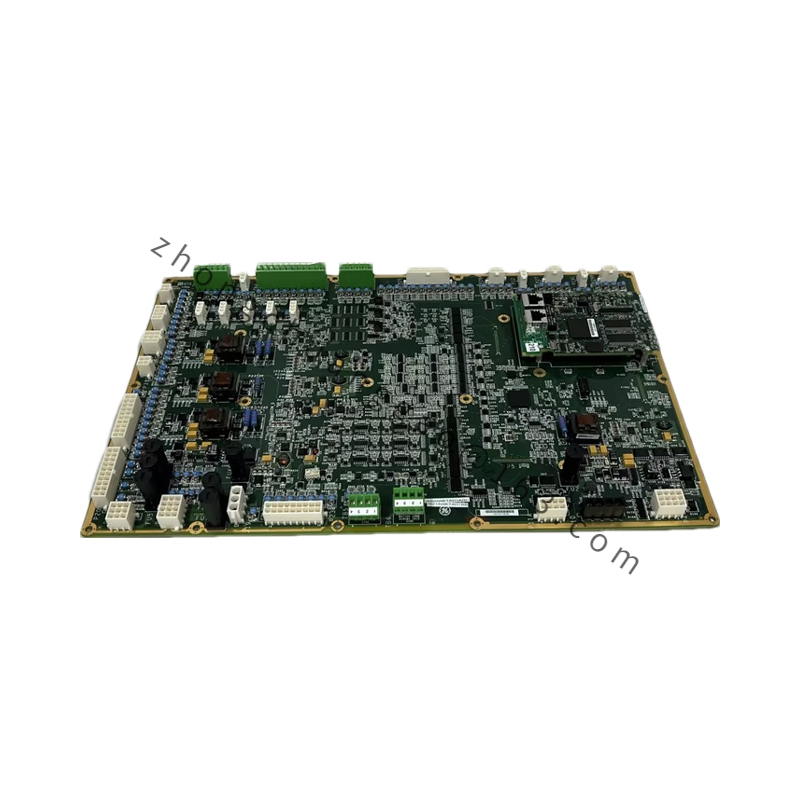
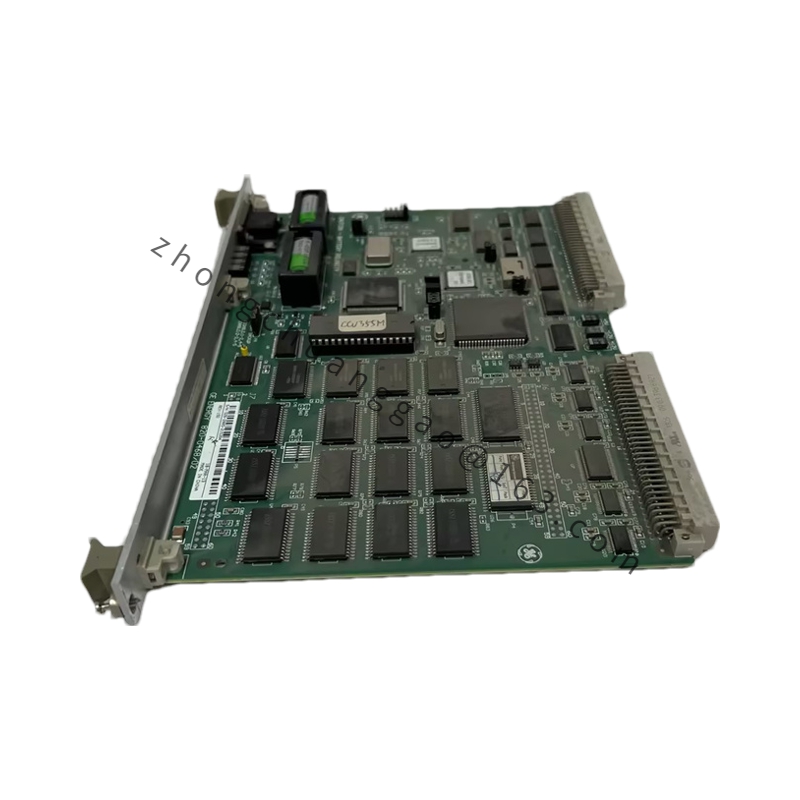
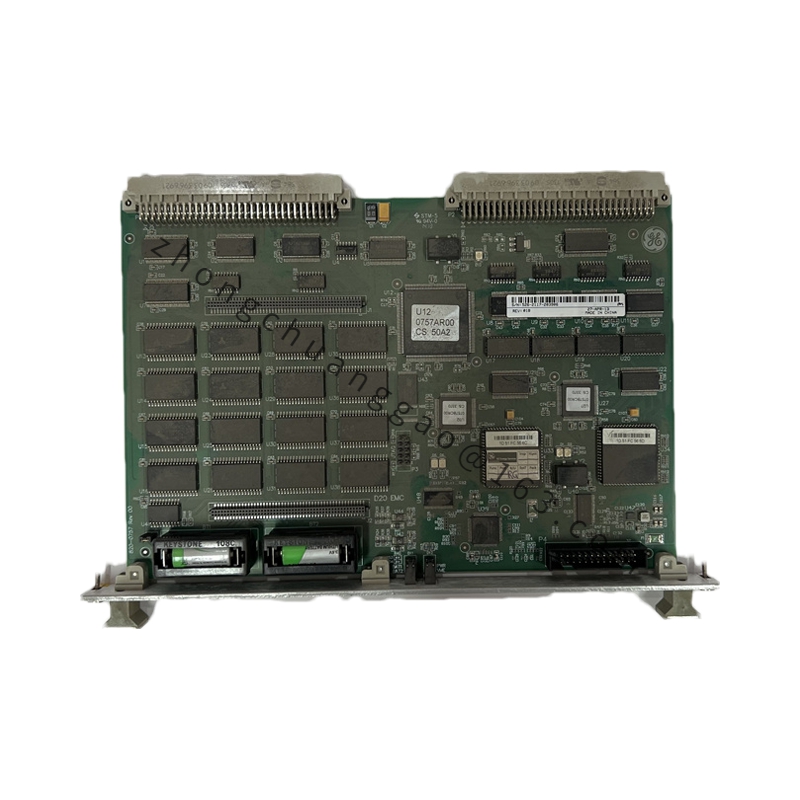
Product Name: GE 133D Series Air Circuit Breaker (ACB)
Product Introduction: A low-voltage frame-type air circuit breaker from the GE 133D series, providing main incoming and feeder protection in low-voltage distribution systems with electronic intelligent trip unit.
Protection Functions: L (overload long-time), S (short-time delay), I (instantaneous), G (optional ground fault)
Mechanical Life: ≥ 10,000 operations
Electrical Life: ≥ 5,000 operations at 600 A / Icu
Protection Class: IP40 (front-connected)
Functional Features: Field-adjustable electronic trip parameters without changing the trip unit; 3-stage (LSI) + optional ground fault (G); drawer-type structure allows live insertion/withdrawal with safe isolation break.
Material & Construction: Housing in glass-fiber reinforced polyester (DMC composite, UL94 V-0); AgSnO₂ silver-tin oxide alloy contacts; metal splitter-plate arc chute with magnetic blow-out; spring-energy-storage operating mechanism; copper (T2) terminals with tin plating.
Working Principle: The electronic trip unit continuously samples per-phase current. On overload, a delayed trip is driven by inverse-time characteristics that release the spring mechanism and rapidly open the main contacts; short-circuit faults cause instantaneous trip without delay.
Application Scenarios: Low-voltage main switchboards, feeder protection, motor circuit protection in power plants, commercial buildings, and industrial facilities.
Installation & Usage Notes: Drawer-type mounting requires proper alignment and locking; verify trip unit settings before energizing; periodic mechanical operation test recommended.