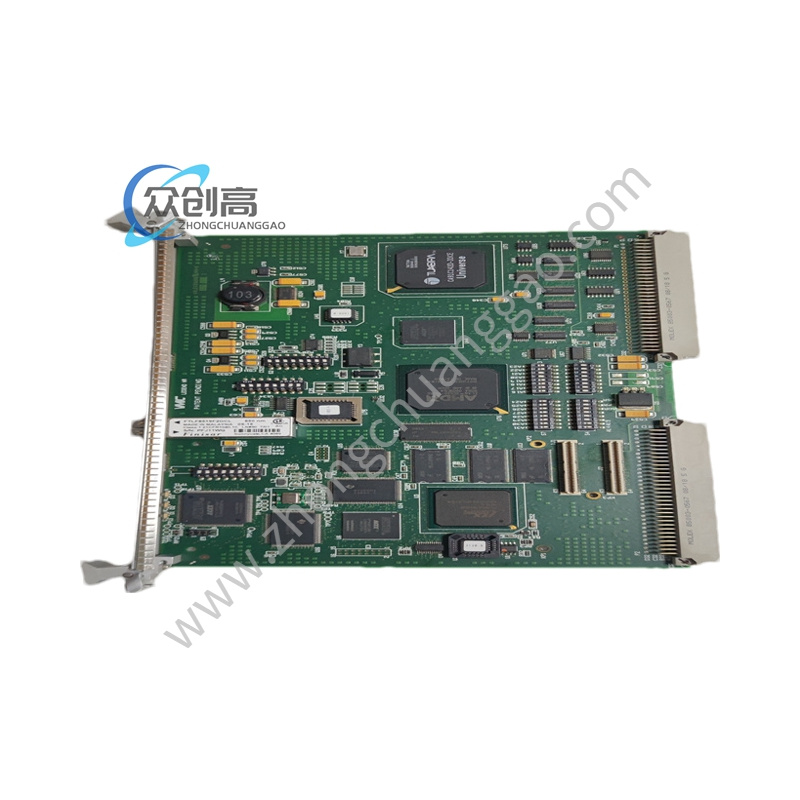
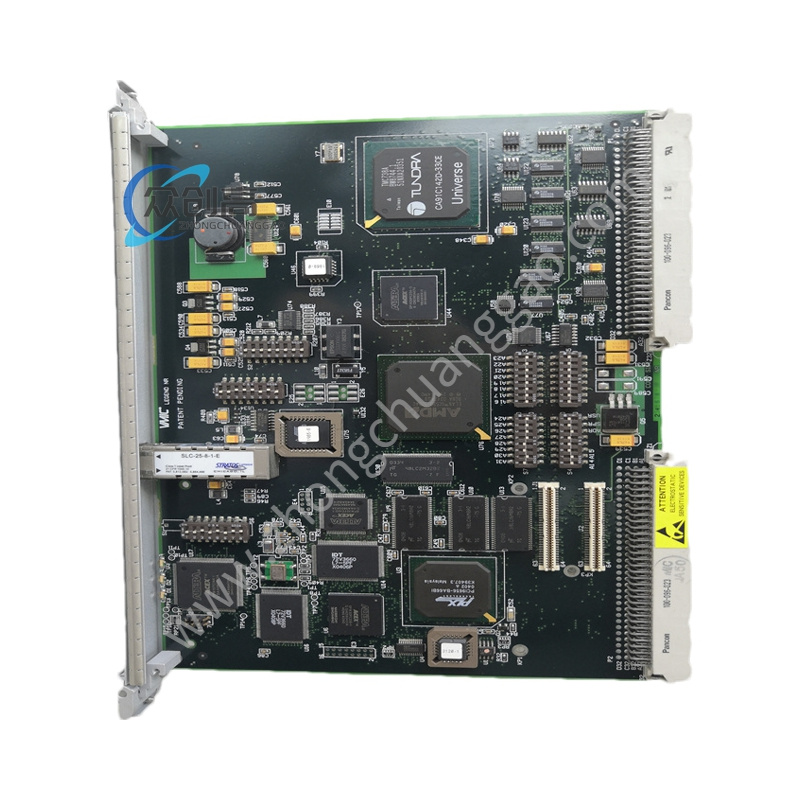
Product Name: GE Static Bus Differential Relay, Type SBD11B
Product Introduction: The SBD11B is a single-phase, high-speed static differential relay specifically designed for sensitive, high-speed differential protection of buses and feeders, and for shunt reactor differential protection. It uses static circuitry to achieve very short operating times and is packaged in an S-2 drawout case requiring no auxiliary current transformers.
DC Control Voltage: Selectable 48 V, 125 V, or 250 V DC via voltage-selecting link
Operating Time: Typically 5 to 8 ms
Case: S-2 drawout case
Full 3-phase protection: Requires three SBD11B relays plus one HEA lockout auxiliary relay with three normally-open contacts
Functional Features:
Sensitive, high-speed differential protection
High-impedance voltage-measuring circuit with overcurrent supervision
Phase and ground fault detection (three relays required for complete protection)
Breaker failure initiation when used with a suitable timing relay
Output isolation via telephone relay
Target seal-in unit
Drawout case for easy maintenance
Application Scenarios: Bus and feeder differential protection; shunt reactor differential protection; installations where severe CT saturation can occur for internal and external faults
Working Principle: Uses a high-impedance, voltage-actuated operating principle. Under normal conditions, the differential connection of the CTs results in negligible voltage across the relay. During an internal fault, the unbalance in CT currents produces a voltage above relay pickup, causing operation. Severe external faults — even those resulting in complete CT saturation — will not produce sufficient voltage across the relay to cause operation, ensuring selectivity.
Installation Requirements:
CTs must have fully distributed windings
Multi-ratio CTs may be used provided all CTs are on the same tap, yielding the same ratio
Relay is connected in parallel with all CT secondaries of each phase
Lightning arresters within the protected zone require the SBD11B2A model instead
Usage Notes:
Set the relay by calculating required voltage and current taps; select the lowest available taps that are secure from misoperation for external faults to maximize sensitivity for internal faults
Consult the relay instruction book for recommended setting procedures and sample calculations
When used with a lockout relay, the SBD11B may be used to initiate a breaker failure timer