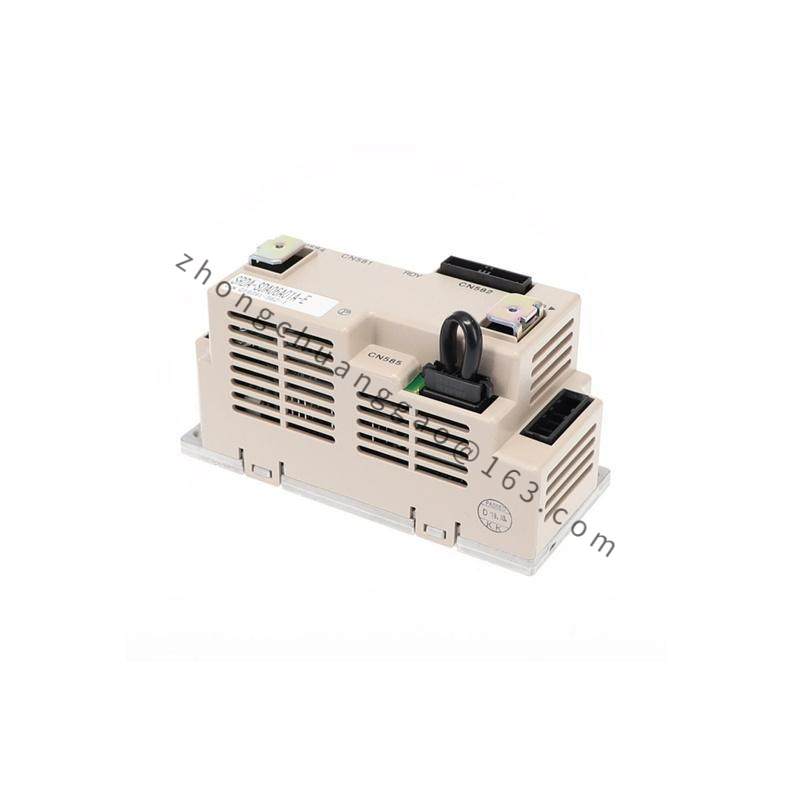

Gasonics A95-115-01 RF Impedance Match Network
Introduction:
The Gasonics A95-115-01 is an RF impedance matching network, often referred to as an “RF Tuner” or “Match Box.” It is a critical subsystem in RF plasma processing equipment. Its primary function is to match the impedance of the RF generator (typically 50 Ohms) to the dynamic impedance of the plasma load, ensuring maximum power transfer and minimizing reflected power which can damage the generator.
Technical Specifications:
- Type: Automatic L-Type or Pi-Type Impedance Matching Network
Detailed content
- Frequency: 13.56 MHz (Fixed or Tunable range)
- Power Handling: 1000W to 5000W (Dependent on internal capacitor/inductor ratings)
- Impedance Range: 50 Ohms (Input) to complex load impedance (Output)
- Tuning Elements: Motorized Variable Capacitors and/or Inductors
- Control Voltage: 0-10VDC or 24VDC for motor drivers
- Sensors: Directional Coupler for Forward and Reflected Power measurement
- Communication: RS-232, RS-485, or CAN Bus for host interface
Functional Features:
- Automatic Tuning Algorithm: Utilizes a microcontroller to drive motors to the position of minimum reflected power (lowest VSWR) in milliseconds.
- Predictive Tuning: Some models store “match points” for specific process steps to reduce tuning time.
- Protection Circuits: Detects high reflected power (>100W) and shuts down the generator drive to prevent damage.
- Manual Control: Provides local knobs or a touchscreen for manual tuning and troubleshooting.
- Water/Air Cooling: Internal cooling channels for capacitors and inductors to handle thermal load.
- Bypass Relay: Allows power to pass through to the chamber even if the tuner fails (at the risk of high VSWR).
Application Scenarios:
- High Power Plasma Etching: Essential for maintaining stability in high-density plasma sources where load impedance changes rapidly.
- Sputter Deposition: Ensures stable plasma ignition and maintenance during target sputtering.
- PECVD: Compensates for impedance shifts as films deposit on the chamber walls.
- Ashing Tools: Maintains efficient power transfer during the stripping of thick photoresist layers.
- RF Bias Supply Matching: Used on the bias electrode to control ion energy independently of ion density.