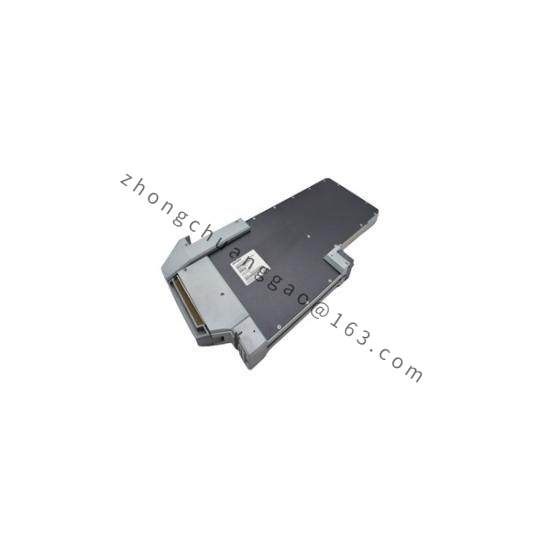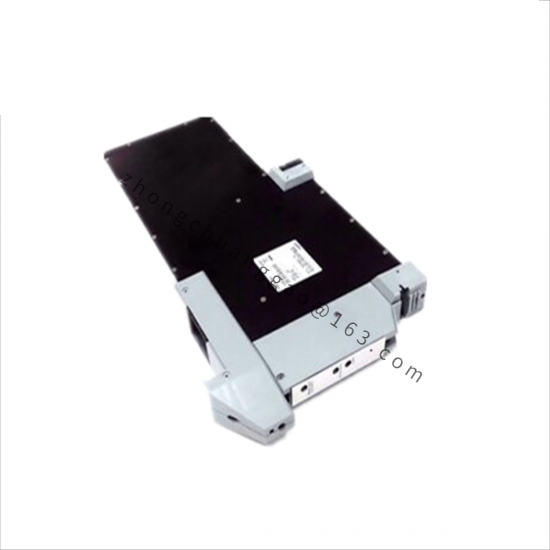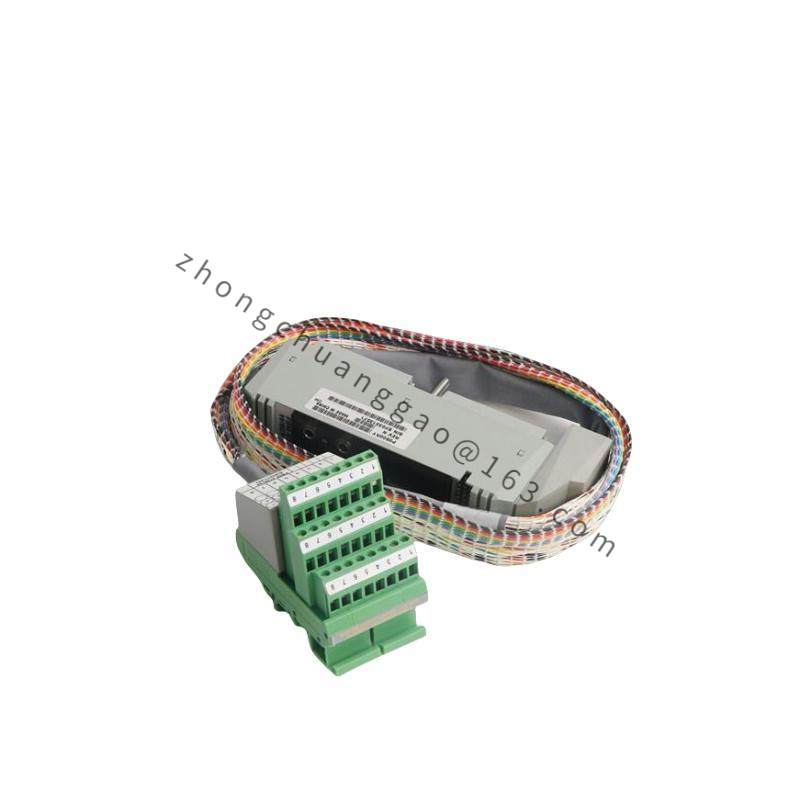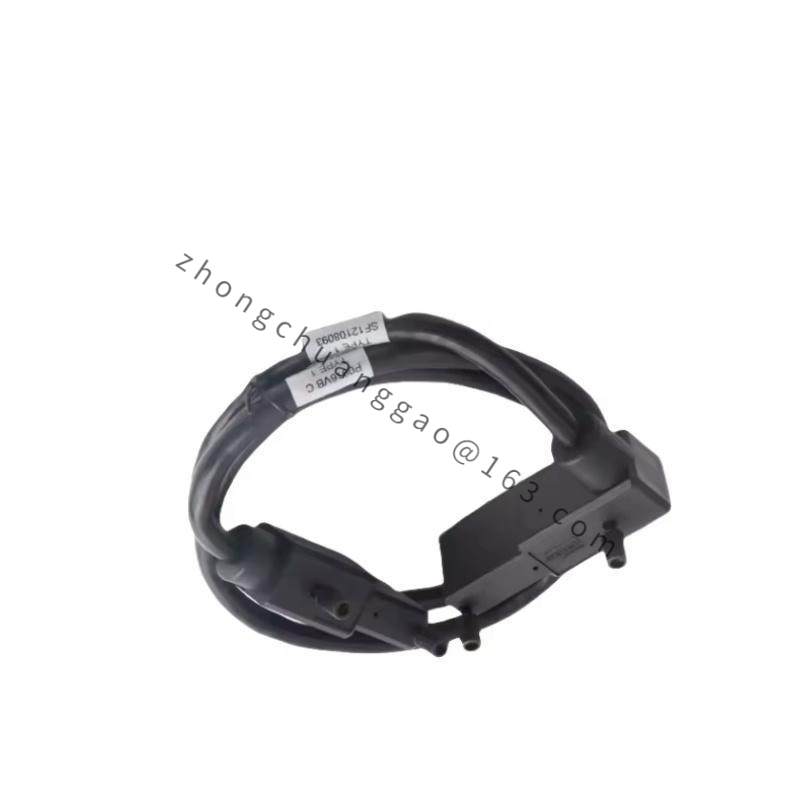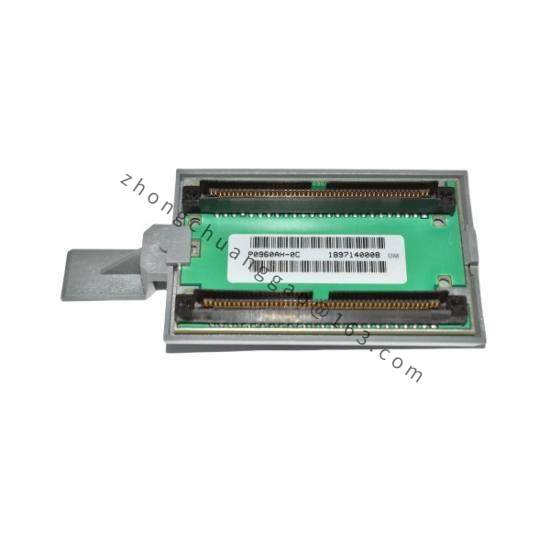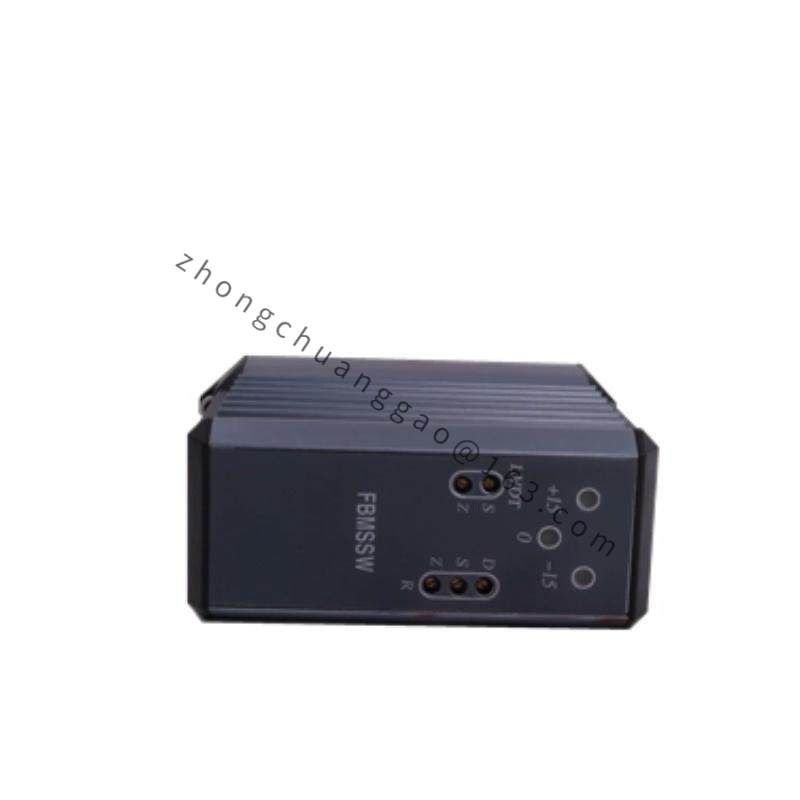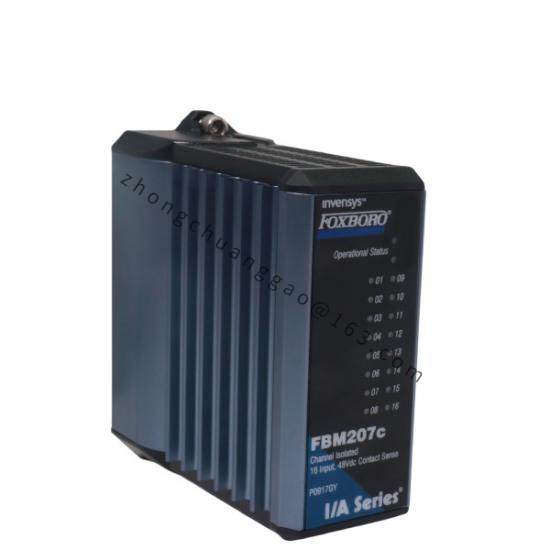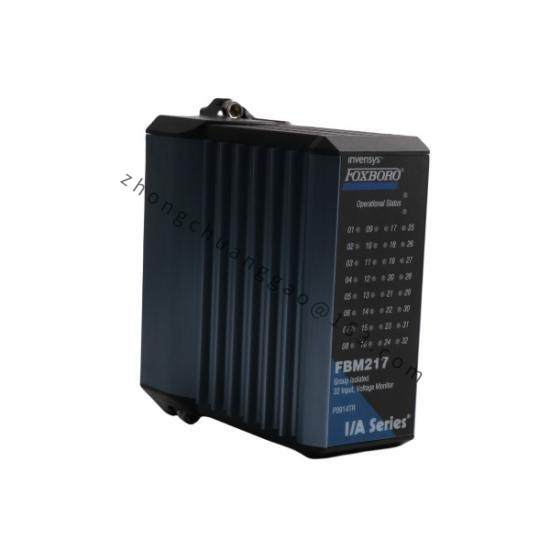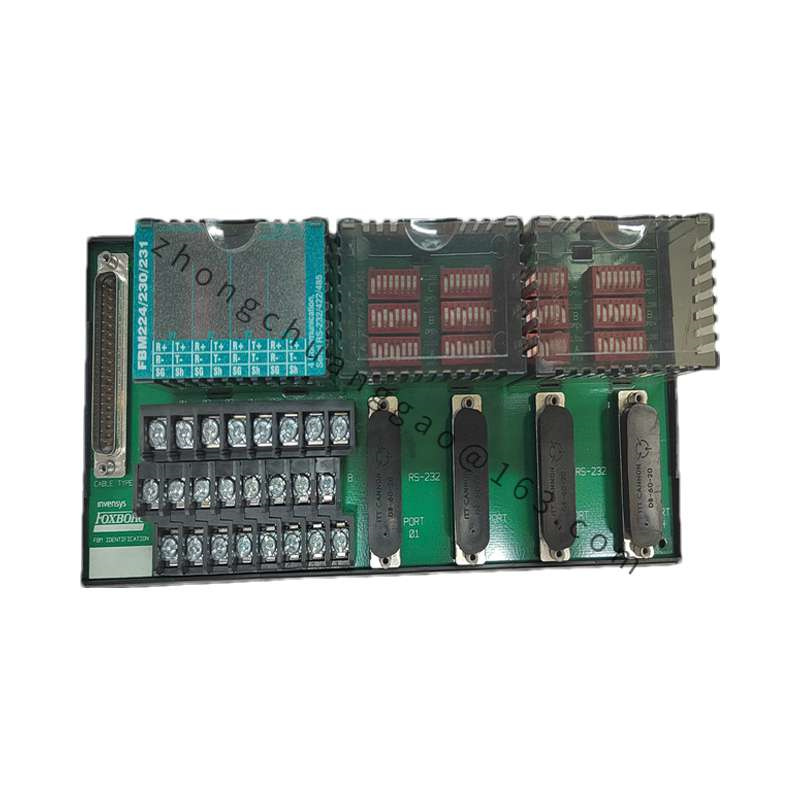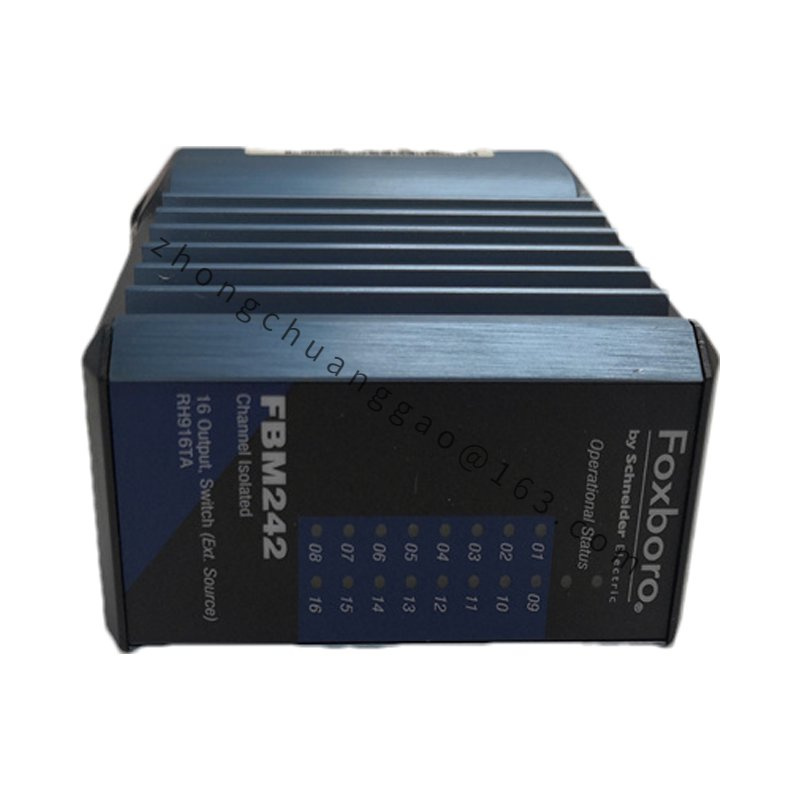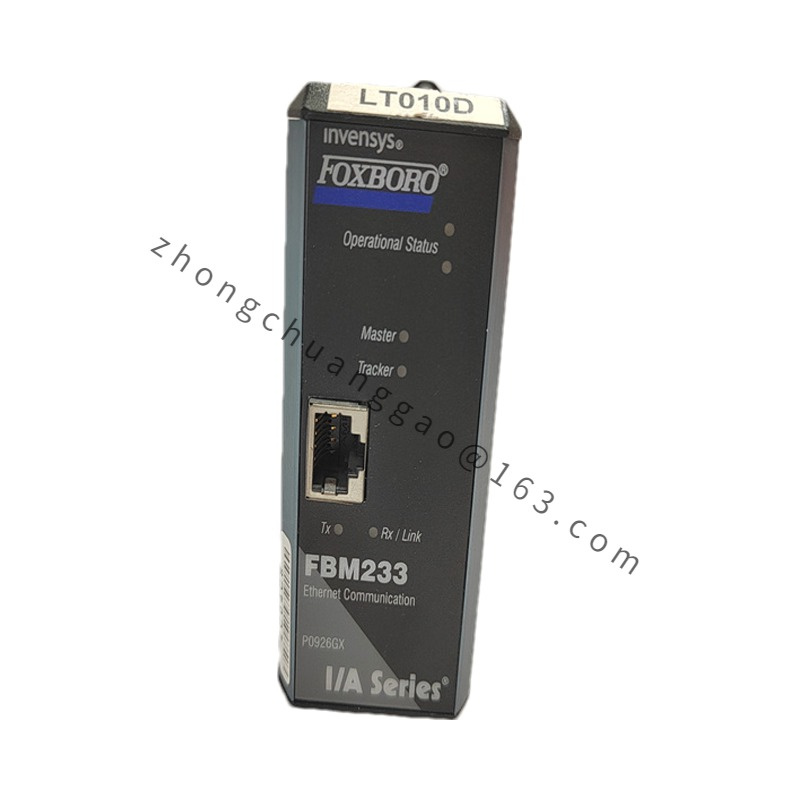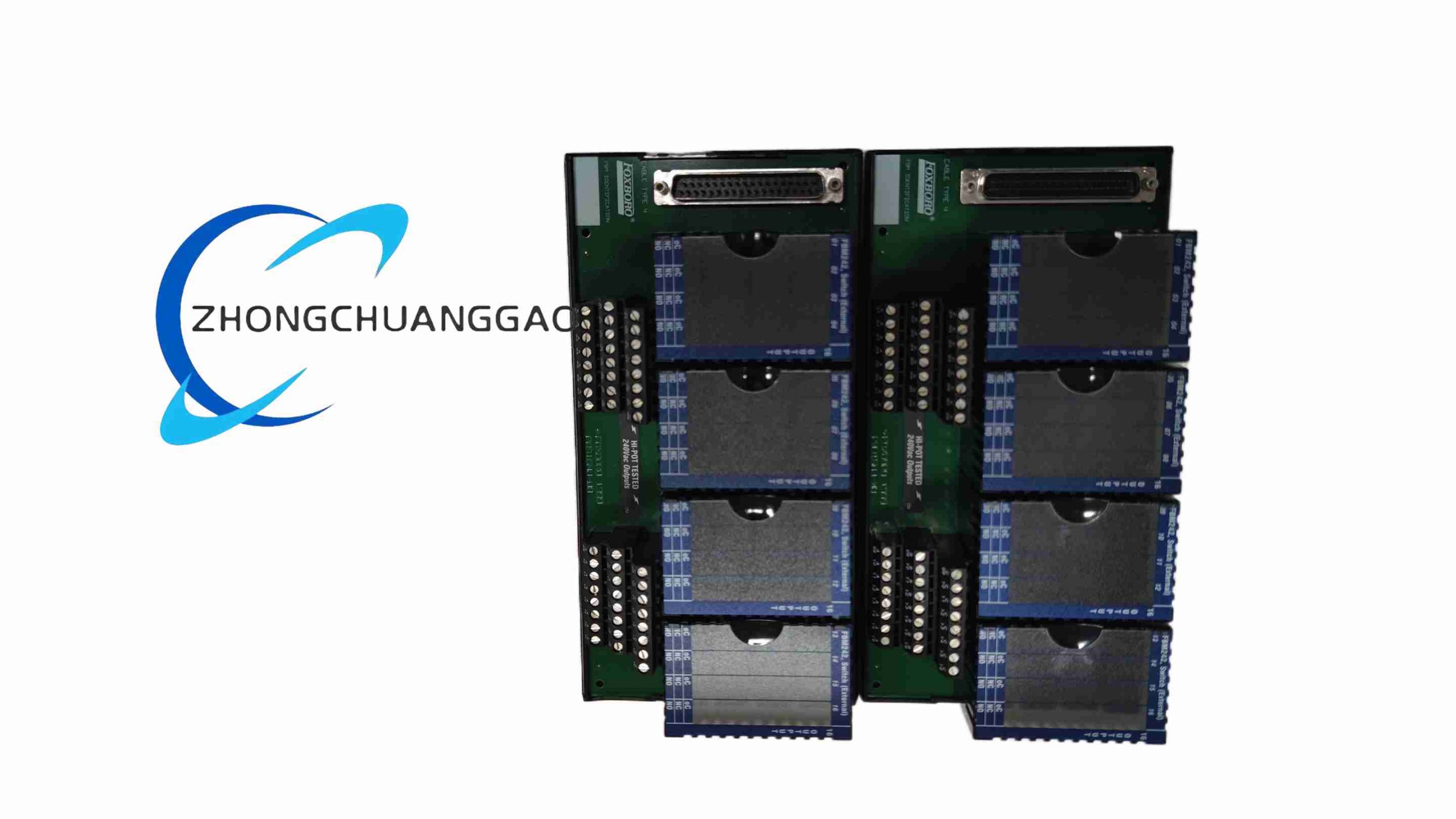

Product Overview: The RH916YY is a termination assembly (TA) designed as the field-interface companion for the FBM242 external-powered discrete output module in the Foxboro I/A Series and Compact 200 Series I/O subsystem. It is listed as the successor to the P0916YY termination assembly. It carries a relay-type output and provides the wiring foundation through which the FBM242 executes digital output and ladder-logic functions. It has also been described as an environment or humidity monitoring component in some market listings.
Key Specifications: Body material polyamide (PA), flame-retardant; relay type with built-in SPDT Form C relay; channel count 16 discrete output channels; output rating 2 A at 60 V DC per channel; voltage support 15 to 60 V DC, 120 V AC / 125 V DC, and 240 V AC; per-channel field fuse protection; channel-to-channel and channel-to-ground isolation; installation by DIN rail mounting; suitable for G3 harsh industrial environments. Where described as an environment-monitoring element, measurement range 0 to 100 percent RH, accuracy plus or minus 2 percent RH, working temperature -40 degrees Celsius to plus 85 degrees Celsius, output signal 4 to 20 mA, supply 12 to 36 V DC, stainless steel housing with IP67 rating.
Functional Features: Reliable connection between the control processor and diverse field devices. Supports AC and DC load switching through the built-in relay. Per-channel fuses protect the module semiconductors from field short circuits. Channel isolation follows factory-calibrated matching to contain faults.
Applications: Process control and DCS systems in industrial automation; control of indicator lights, pilot relays, and solenoid loads; and, in the environment-monitoring interpretation, pharmaceutical, food-processing, meteorological, and laboratory humidity monitoring.
Materials and Construction: Flame-retardant polyamide terminal block; internal SPDT relay; stainless steel housing in the environment-monitoring variant.
Installation and Cautions: Always confirm the exact order code and system configuration before replacement, since similarly designated components are not interchangeable. Ensure shielded wiring is properly grounded in high-interference environments, keep all connectors and terminals firmly seated, and observe anti-static precautions when handling module hardware.