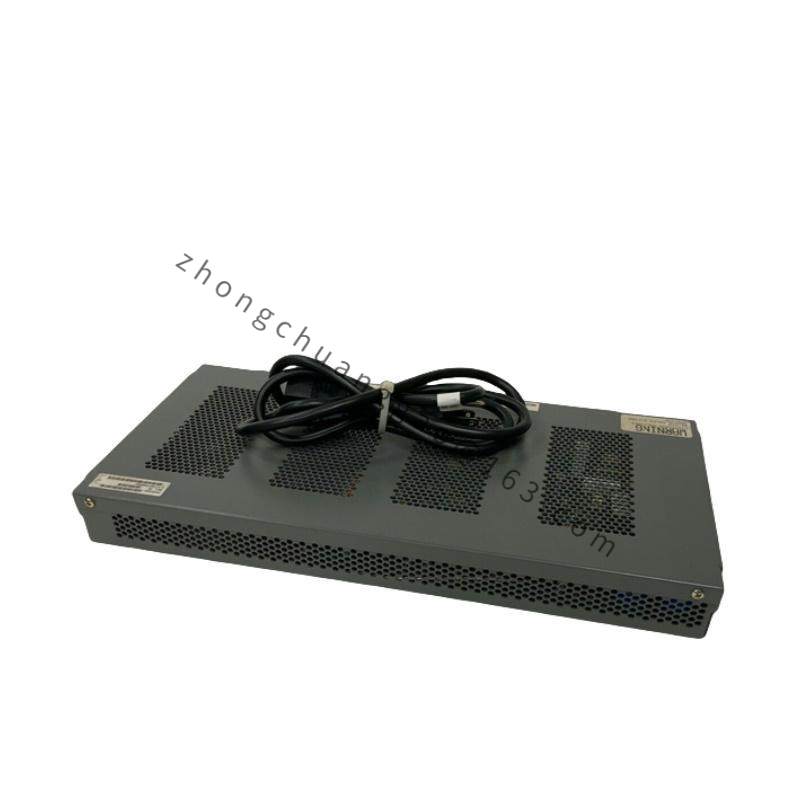

Product Overview
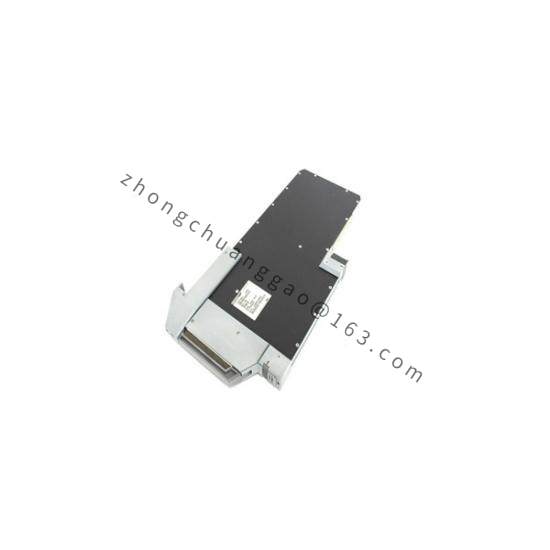
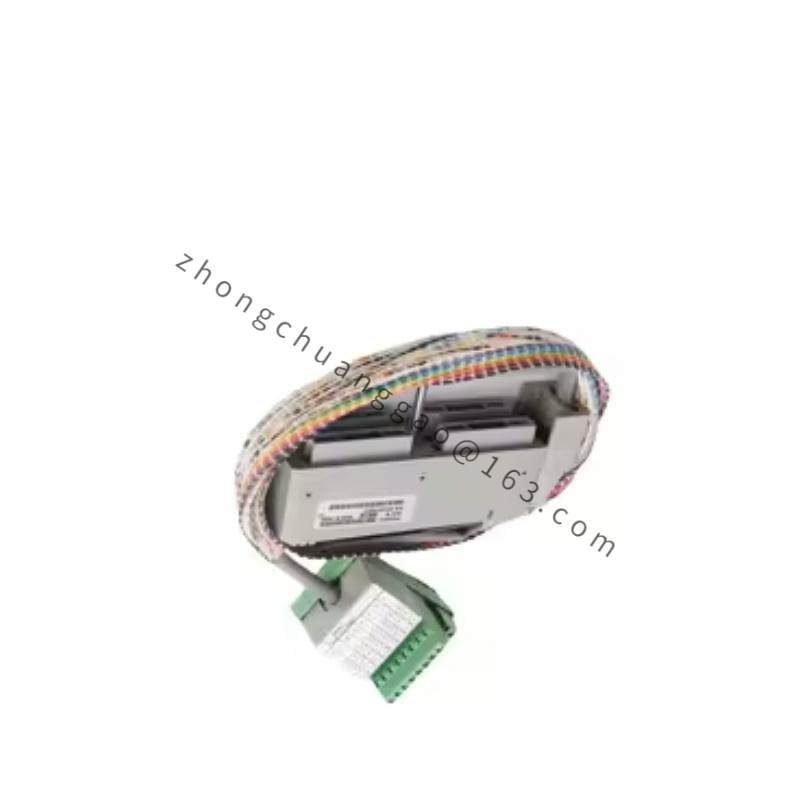
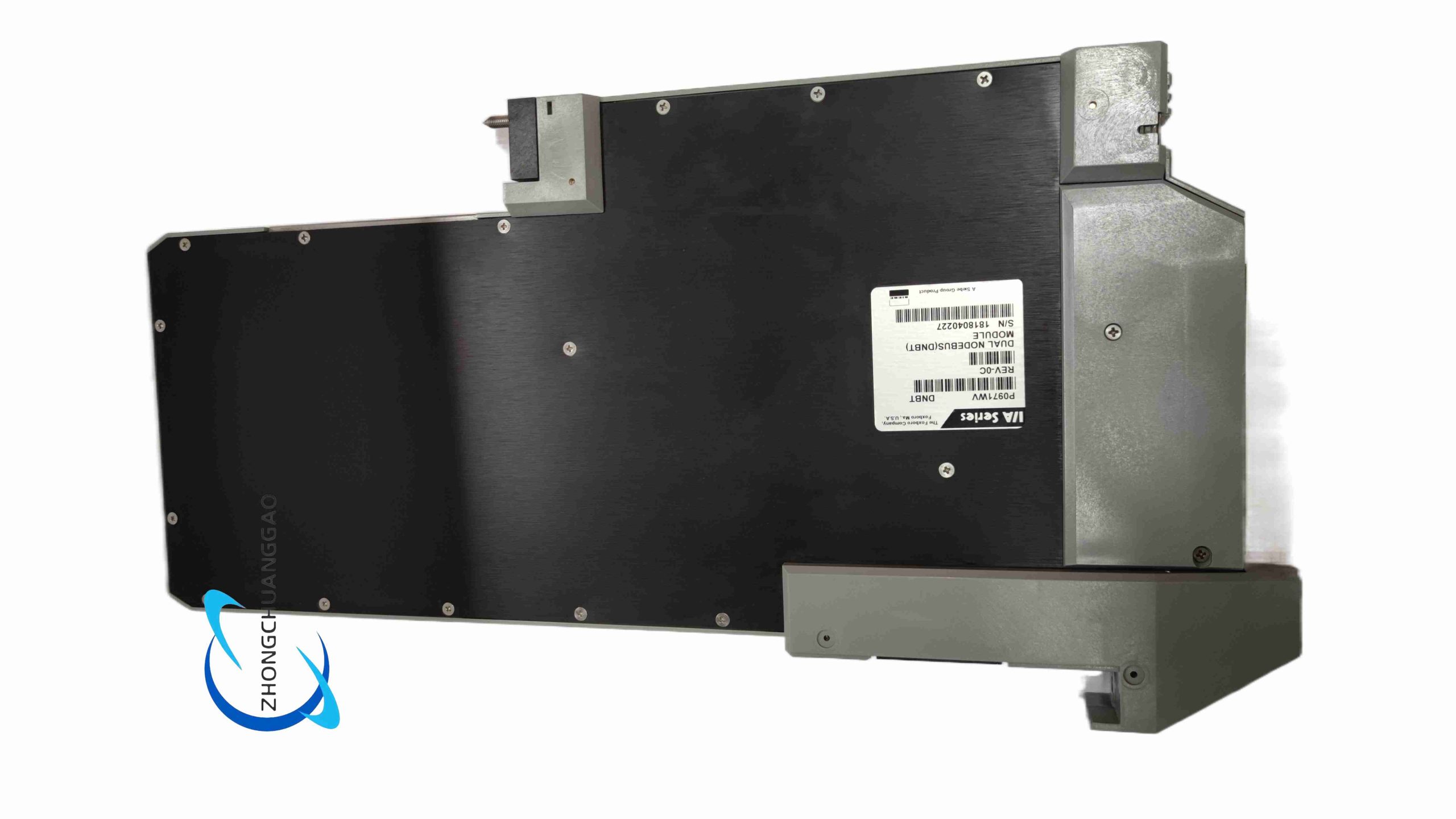
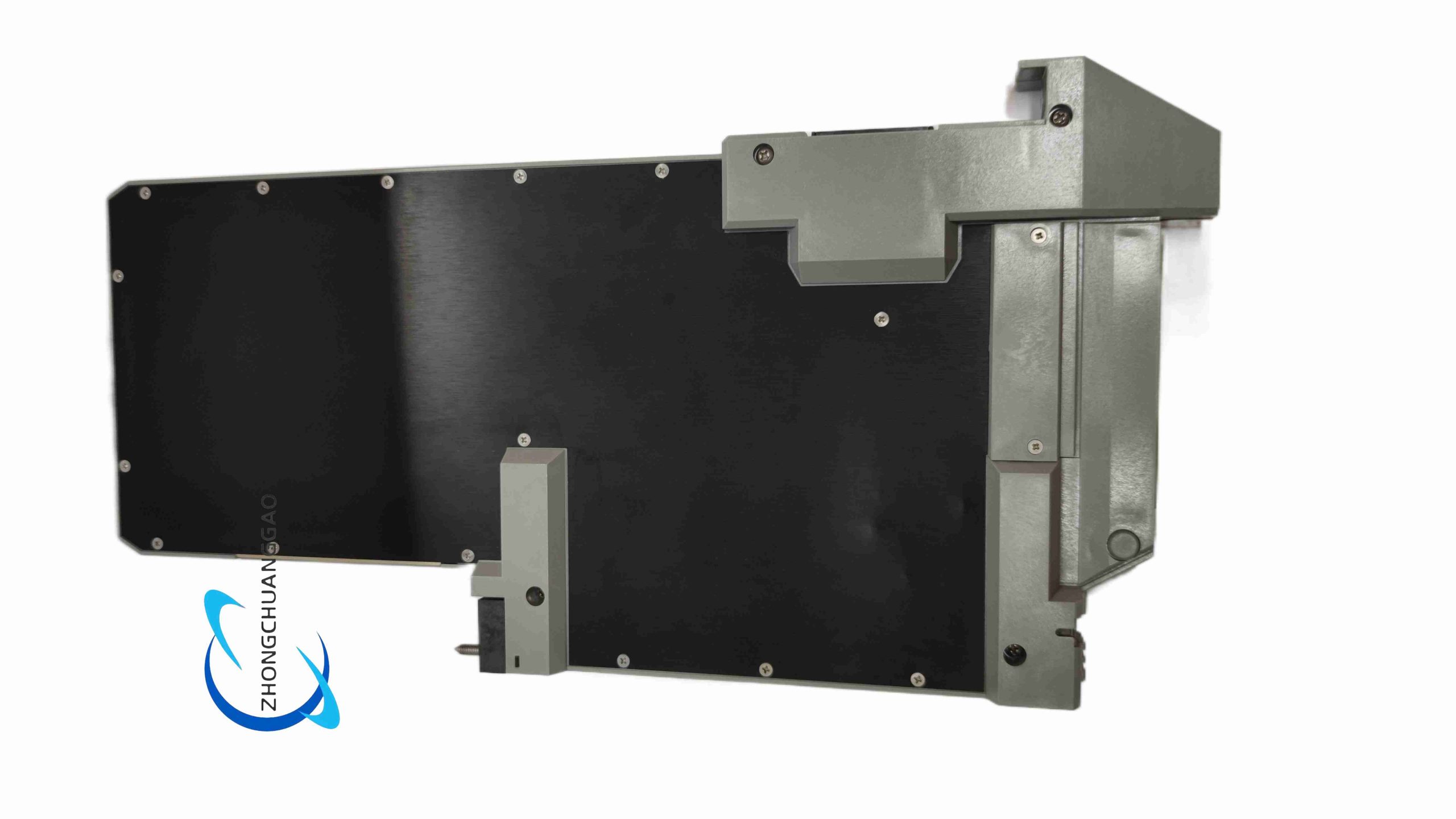
This module is a dual-channel Nodebus transceiver plug-in card that bridges the control processor backplane to the Nodebus network. It carries an independent processor and is not an I/O card. It extends the internal bus of a CP/FCP controller to the Nodebus trunk, linking AW/WP operator workstations, remote FBM/FCM I/O racks and other CP nodes. Certain hardware revisions incorporate a PROFIBUS DP master function, allowing the I/A Series system to host PROFIBUS slaves directly without an external gateway.
Technical Specifications
Manufacturer: Foxboro (now Schneider Electric / Invensys, part of the I/A Series product line).
Applicable System: Foxboro I/A Series, CP30/CP40/CP60/CP70 and FCP270/FCP280 control processor racks.
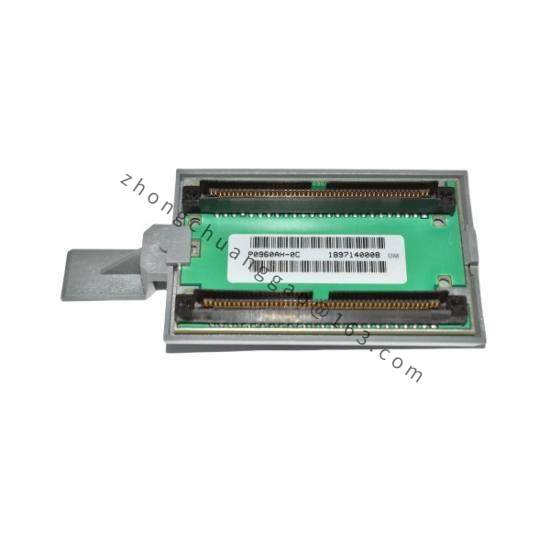
Backplane Interface: I/A Series standard backplane connector (DIN 96-pin type).
Communication Interface: 2 × Nodebus ports (RJ45 or BNC coaxial depending on hardware revision); some versions provide a DB9 PROFIBUS RS-485 port.
Communication Rate: Nodebus 2 Mbps; PROFIBUS DP configurable from 9.6 kbps to 12 Mbps (PROFIBUS version).
Power Supply: Supplied by the rack backplane, +5 V DC (typical power draw below 5 W); some data reference a 24 V DC backplane feed with a nominal draw of approximately 9.2 W; final values should be confirmed against the module nameplate.
Isolation Voltage: PROFIBUS side to system backplane ≥ 500 V DC opto-isolation (DNBT PROFIBUS version); dual-leg isolation between Nodebus channel legs and backplane rated around 1500 V DC.
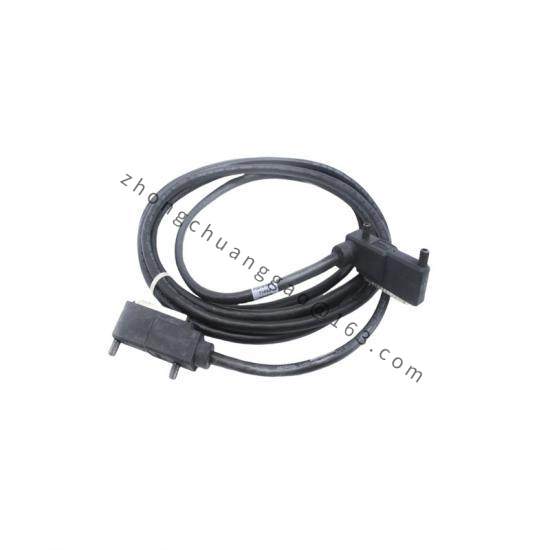
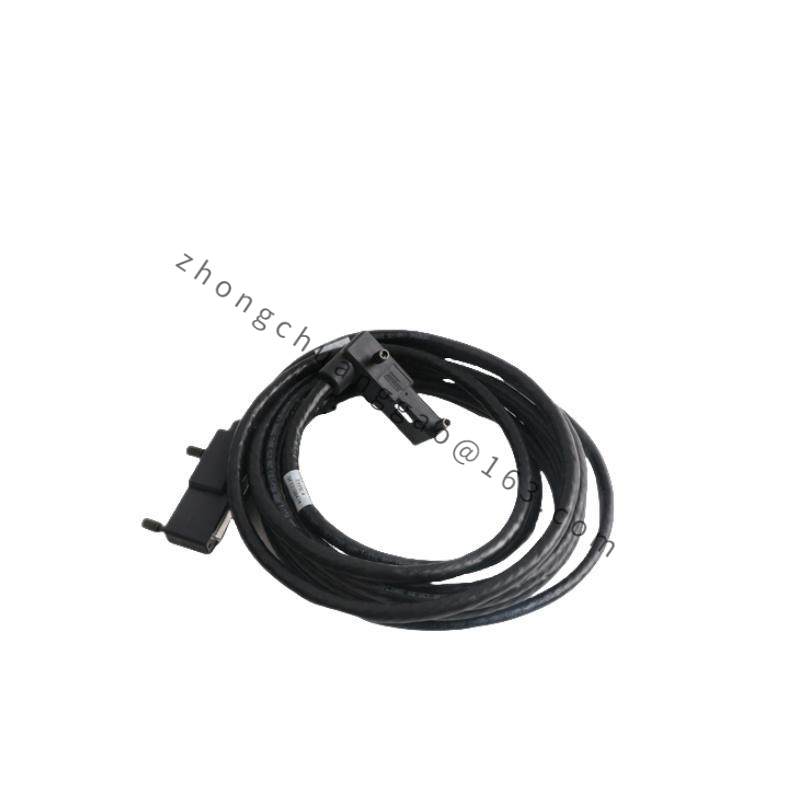
Redundancy: Supports dual-mode 1:1 hot standby through a synchronisation cable; switching is transparent to slaves.
Max Nodes per Bus Leg: Up to 63 Nodebus nodes per channel.
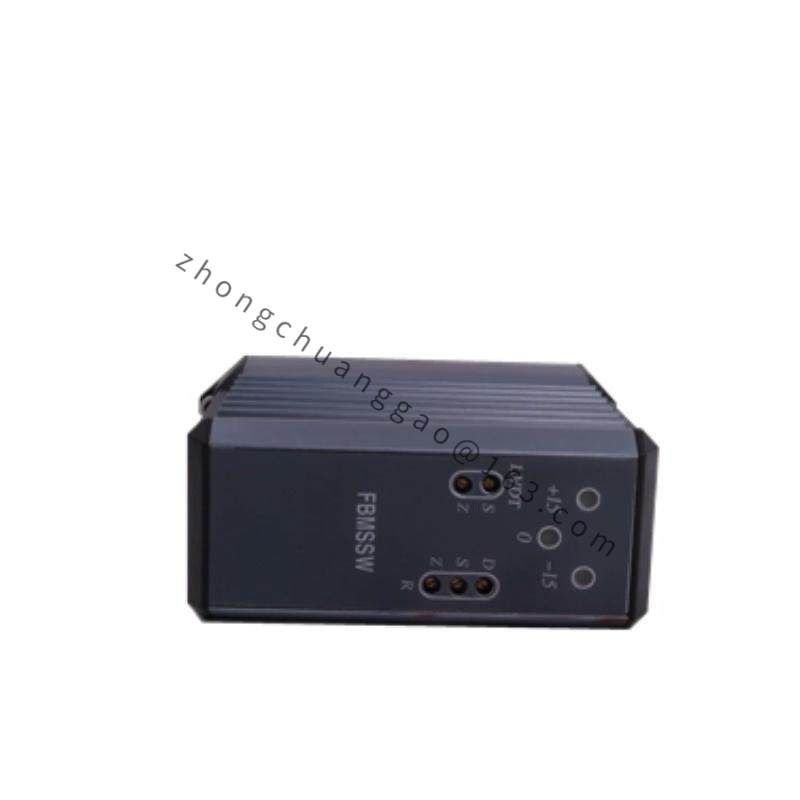
Front-Panel Indicators: PWR (power), RUN (run), COMM (communication), FLT/ERR (fault) LEDs.
Hot Swap: Supports live insertion on the energised I/A standard backplane, with brief self-diagnostics.
Operating Environment: 0 °C to +60 °C cabinet ambient, 5 % to 95 % RH non-condensing; storage -40 °C to +85 °C.
Mounting: Standard I/A Series control rack or baseplate, DIN-rail compatible base.
Certification: CE, IEC 61326 EMC; UL 61010-1 referenced in supplier data.
Physical Size: Approximately 176 × 64 × 25 mm, weight approximately 0.2 kg (revision-dependent).
Functional Features
Dual independent isolated Nodebus ports allow redundant control-bus segmentation, so a short or surge on one bus leg does not collapse the whole Nodebus trunk.
Second-generation drop-in cross-revision replacement is designated P0971YQ in the same product family.
Fixed 2 Mbps half-duplex Nodebus HDLC serial protocol.
Supports cross-revision and cross-firmware replacement only after verifying the revision suffix and firmware version, because older control processors can reject newer firmware.
Application Scenarios
Refinery and petrochemical control rooms, where a CP connects multiple AW70 workstations and remote FBM racks over redundant Nodebus; loss of one leg switches automatically without affecting operation.
Chemical plants integrating PROFIBUS fieldbus, using the DNBT as a PROFIBUS DP master for ABB drives and Siemens SIPART PS2 positioners.
Power plant DCS retrofit and MRO replacement, restoring Nodebus with a matching-revision new or tested pull-out module.
Paper, water treatment and other multi-CP sites building Nodebus ring or star topologies.
Performance Parameters
Bridges backplane to redundant Nodebus; link-layer throughput fixed at 2 Mbps per channel; switching for 1:1 hot standby is transparent to downstream stations. Operating power draw depends on revision and is approximately 5 W to 9.2 W.
Material Composition
Multi-layer printed circuit board with isolated transceiver circuits, opto-couplers on the PROFIBUS version, an onboard processor, front-panel LED assembly and a metal or industrial-grade module enclosure.
Structural Characteristics
Single-width I/A Series card slot footprint, front-panel status LEDs, backplane edge connector with terminal-block Nodebus ports.
Working Principle
The processor receives controller data from the backplane, encodes it into the proprietary Nodebus HDLC frame format, and transmits it over the redundant Nodebus trunk at 2 Mbps. Field and node responses return through the transceiver chain. The two isolated bus legs carry identical traffic under 1:1 hot standby so the module keeps operating if one leg fails.
Installation Requirements
Insert into a matching I/A Series CP/FCP rack slot with correct backplane power and system address. Provide adequate ventilation in the cabinet. Route signal cables separately from power cabling, and earth shielding per cabinet grounding practice.