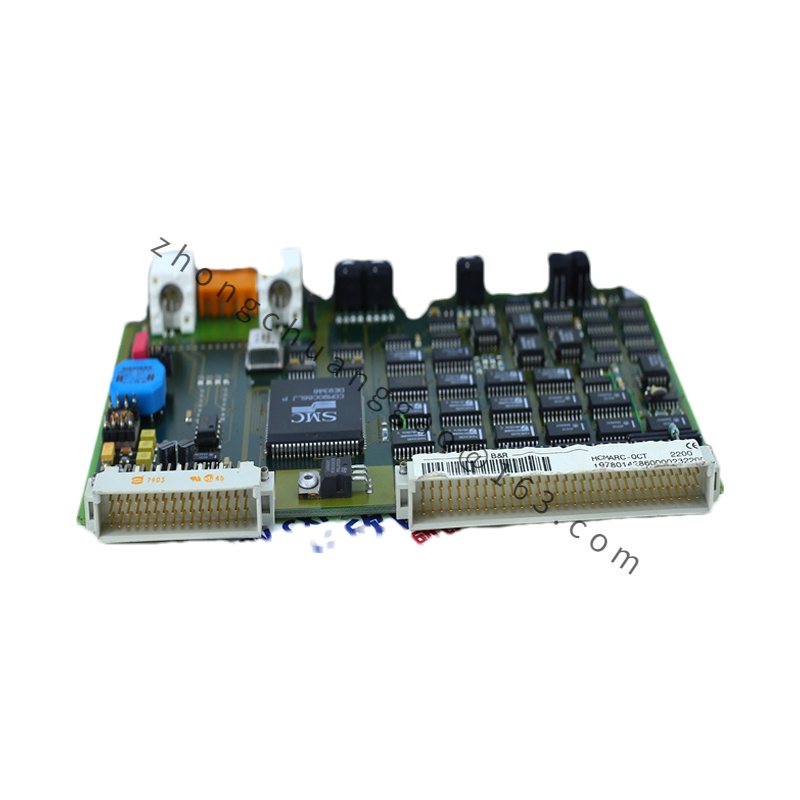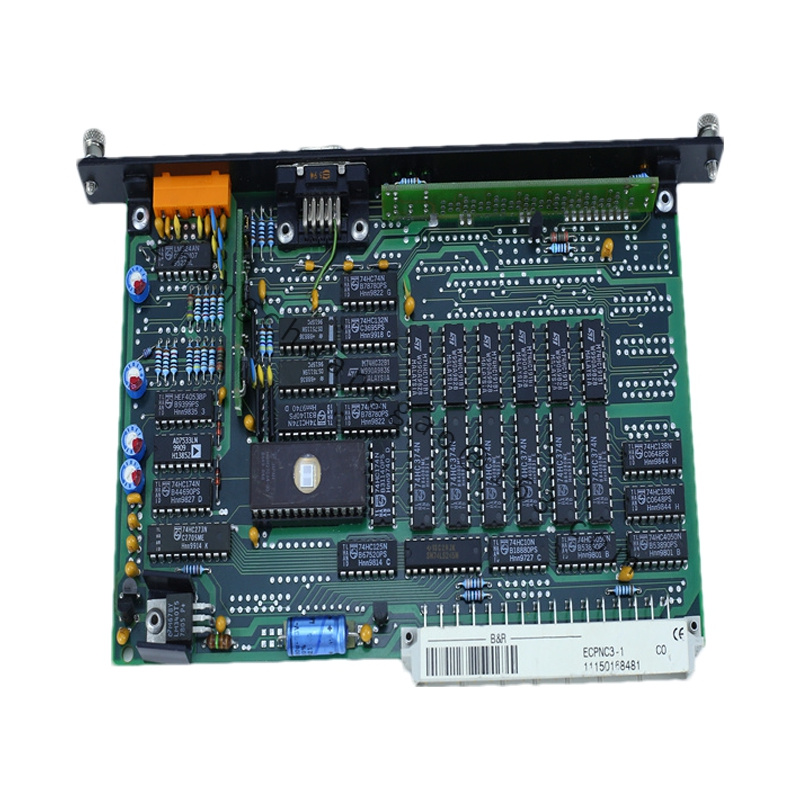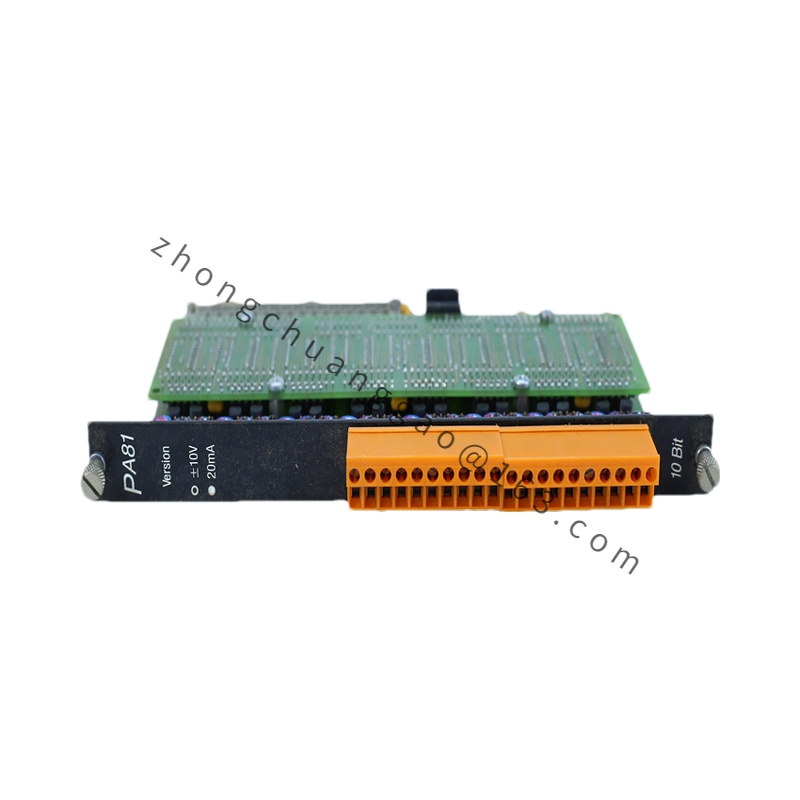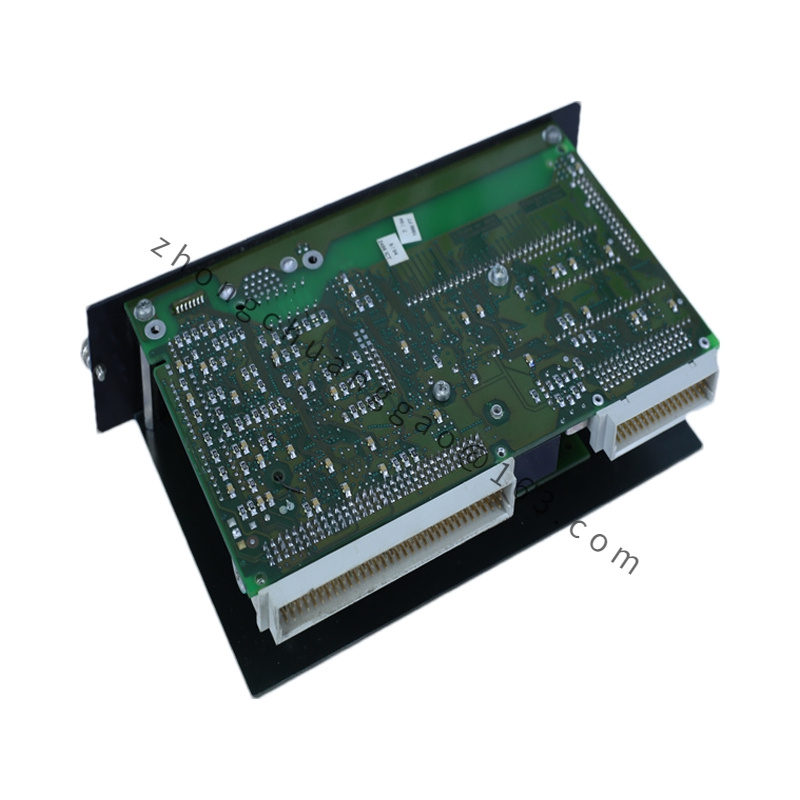
B&R X20AT6402
Product Series: B&R X20 AT Series (Analog Temperature Input)
Product Overview:
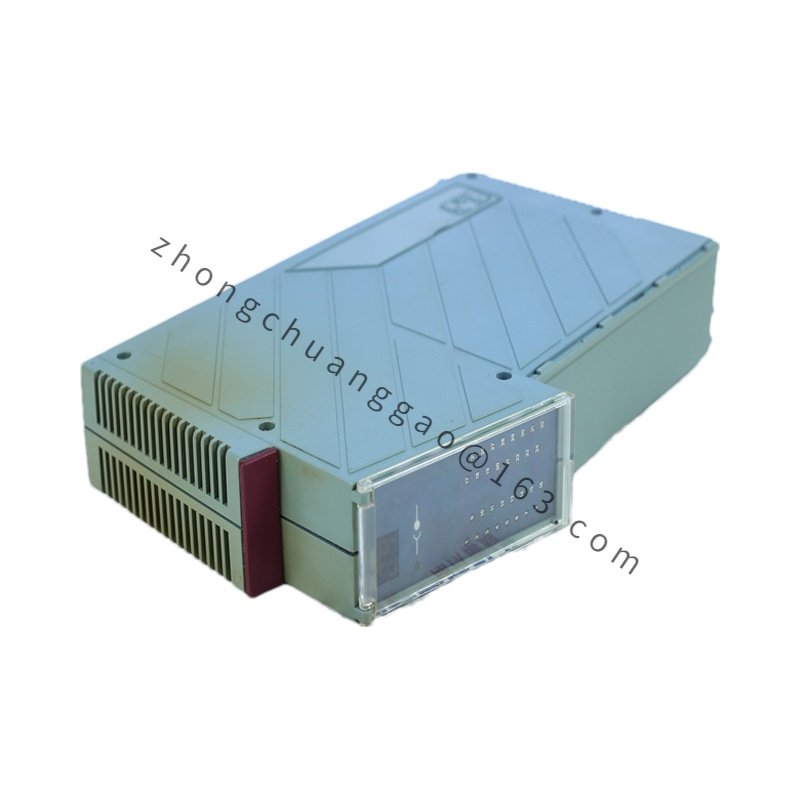
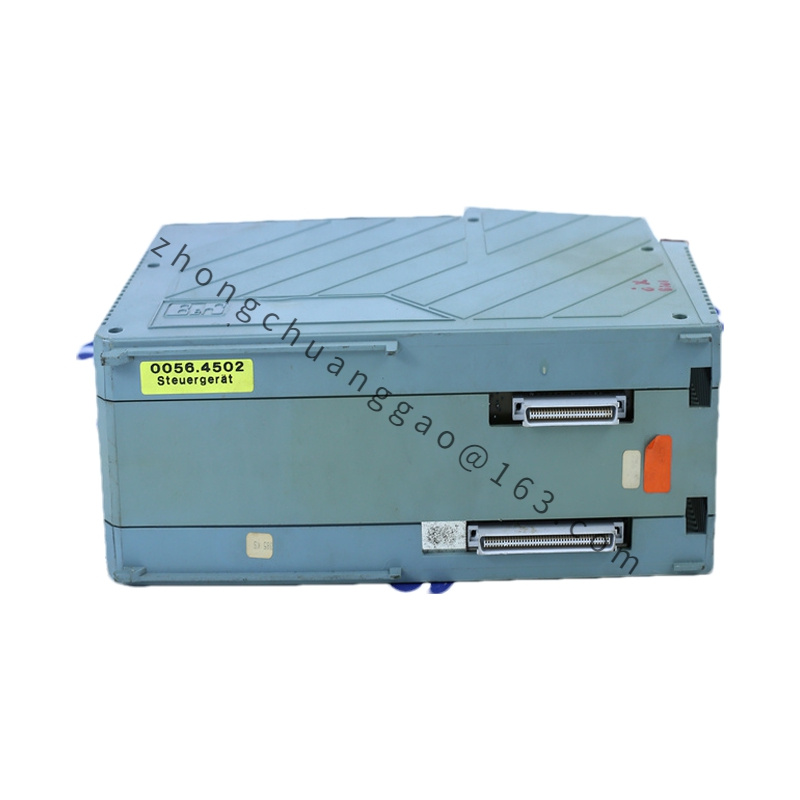
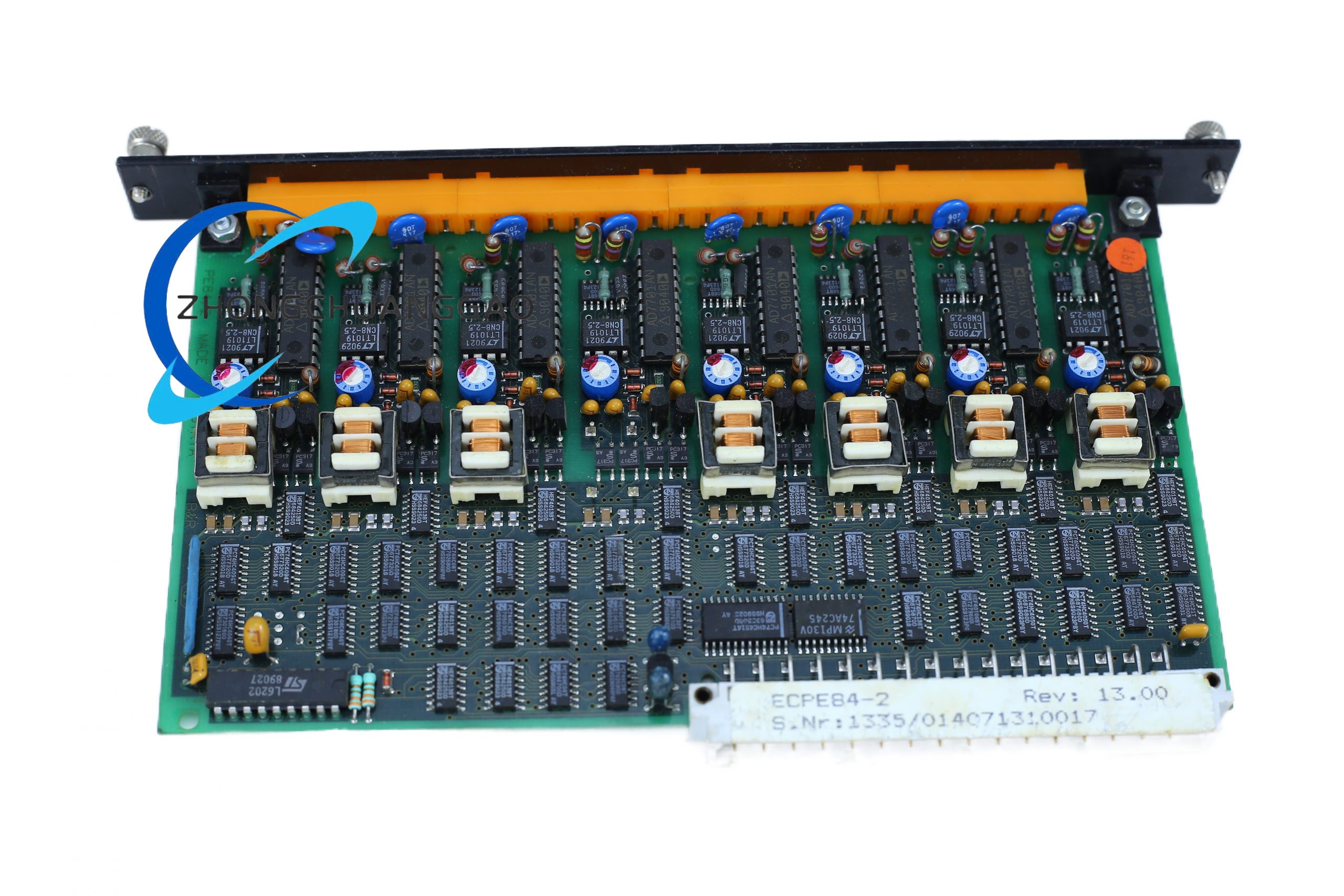
The X20AT6402 is a 4-channel analog input module designed for RTD (Resistance Temperature Detector) signal acquisition. It supports Pt100, Pt1000, Ni100, Ni1000, and Cu50 sensors with 2-wire, 3-wire, and 4-wire connection modes. The module delivers 16-bit resolution with per-channel galvanic isolation.
Detailed content
Key Technical Specifications:
| Parameter | Value |
|---|---|
| Number of Channels | 4 |
| Input Type | RTD (Resistance Temperature Detector) |
| Sensor Types | Pt100, Pt1000, Ni100, Ni1000, Cu50 |
| Resolution | 16-bit |
| Measurement Range | -200°C to +850°C (Pt100) |
| Connection Modes | 2-wire, 3-wire, 4-wire |
| Excitation Current | Programmable: 0.1 mA / 0.5 mA / 1 mA / 2 mA |
| Sampling Rate | Up to 10 kHz per channel |
| Isolation Voltage | 500 V DC (channel-to-channel) |
| Supply Voltage | 24 V DC (±20%) |
| Power Consumption | ≤ 2.5 W |
| Operating Temperature | -25°C to +70°C |
| Protection Class | IP20 (front), IP65 (with housing) |
| Dimensions (W x H x D) | 90 mm x 120 mm x 74.5 mm |
| Weight | Approximately 220 g |
| Connection | Screw terminal, 2.5 mm² |
| Diagnostics | Overrange, underrange, open circuit, wire break detection |
Functional Features:
- 4-wire connection mode eliminates lead wire resistance errors completely
- 3-wire connection mode compensates for lead wire resistance automatically
- Programmable excitation current prevents self-heating of the RTD sensor
- Per-channel galvanic isolation at 500 V DC
- Linearization of RTD characteristic curves (Callendar-Van Dusen equation) performed in hardware
Working Principle:
A precision constant current source excites the RTD sensor. The resulting voltage drop across the RTD is measured by a differential amplifier and converted by a 16-bit A/D converter. In 3-wire mode, the module measures the voltage drop in the lead wires and subtracts it mathematically. In 4-wire mode, the current-carrying and voltage-sensing leads are fully separated, providing the highest accuracy. The digital value is sent to the PLC via the X20 bus.
Material Composition:
- Housing: Glass-fiber reinforced polyamide (PA66-GF30), halogen-free
- Terminals: Tin-plated copper alloy
- PCB: FR-4, conformally coated
Structural Characteristics:
- DIN rail mounting (TS 35, EN 60715)
- Spring-loaded terminal connections
- Status LEDs per channel
- Module width: 15 mm (X20 standard)
Advantages & Highlights:
- Supports 5 RTD sensor types — universal compatibility
- 4-wire mode provides ±0.1°C accuracy for Pt100
- Programmable excitation current minimizes self-heating effects
- Full wire-break diagnostic on all channels
- No external signal conditioning hardware required
Applicable Industries:
- Chemical and petrochemical processing
- HVAC and building automation
- Pharmaceutical and biotechnology
- Food processing and pasteurization
- Power plants and district heating
- Semiconductor manufacturing
Installation Requirements:
- Mount on DIN rail TS 35 (EN 60715)
- Use 3-wire or 4-wire RTD cables for highest accuracy
- Match excitation current setting to the RTD type to avoid self-heating
- Maintain minimum 10 mm spacing between adjacent modules
- Ground the cable shield at one end only
Usage Precautions:
- Do not exceed the maximum excitation current of 2 mA to prevent sensor damage
- Verify RTD type and connection mode in B&R Automation Studio before startup
- Do not apply external voltage to the RTD input terminals
- Check for wire break before powering up the system after maintenance
- Operating ambient temperature must not exceed +70°C