Technical Specifications
Manufacturer identification: Applied Materials / AKT in related sources.
Bus: VMEbus, 6U form factor in communication interface listings.
Expansion: dual PMC slots in one carrier listing.
Compatible platforms: AKT 15K, 25K, 55K, 60K and related CVD/PECVD systems in carrier sources; PVD/CVD chamber interface sources also list Endura, Producer, and Centura depending on configuration.
Logic supply: VME carrier listings do not state full power detail; chamber interface listings state 24 V DC logic and plus/minus 15 V DC analog.
Operating temperature: 0 to 50°C in chamber interface listings; extended values appear in generic communication listings, so use nameplate.
Storage temperature: minus 20 to plus 70°C in chamber interface listing.
Humidity: 10 to 80 percent relative humidity, non condensing.
Communication: PMC dependent; Ethernet, RS485, or proprietary bus according to mezzanine and system software.
Protection: conformal coating in some chamber interface descriptions; SEMI S2/S8, CE, UL cited in those sources.
Functional Features
PMC mezzanine hosting for I/O, serial, Ethernet, or specialized process cards.
High speed VME data transfer for chamber and substrate systems.
Modular expansion without replacing the entire VME motherboard.
Signal processing for CVD, PECVD, PVD, and FPD automation.
Structural Characteristics
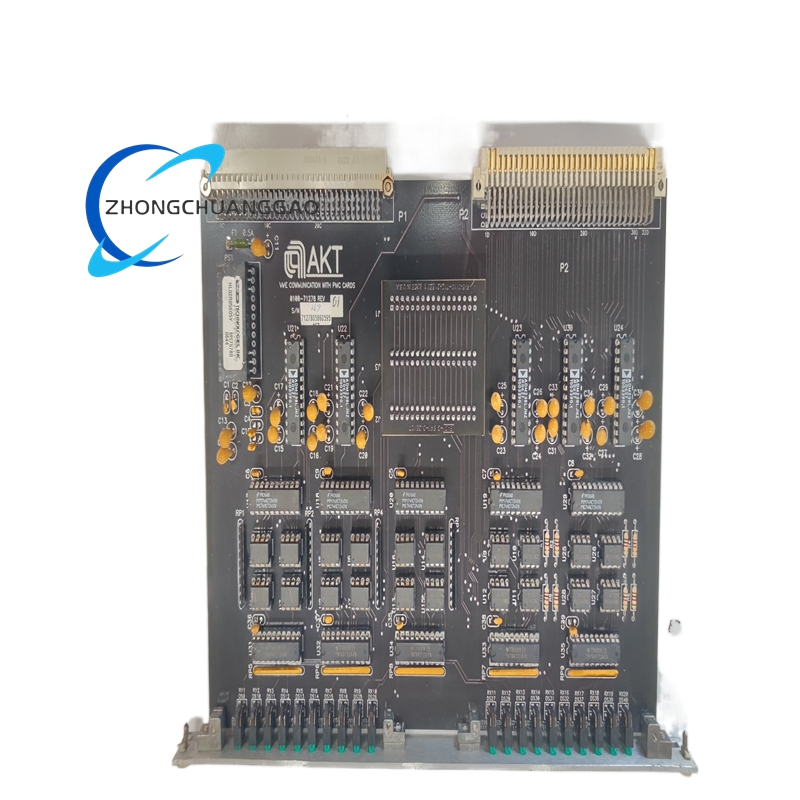
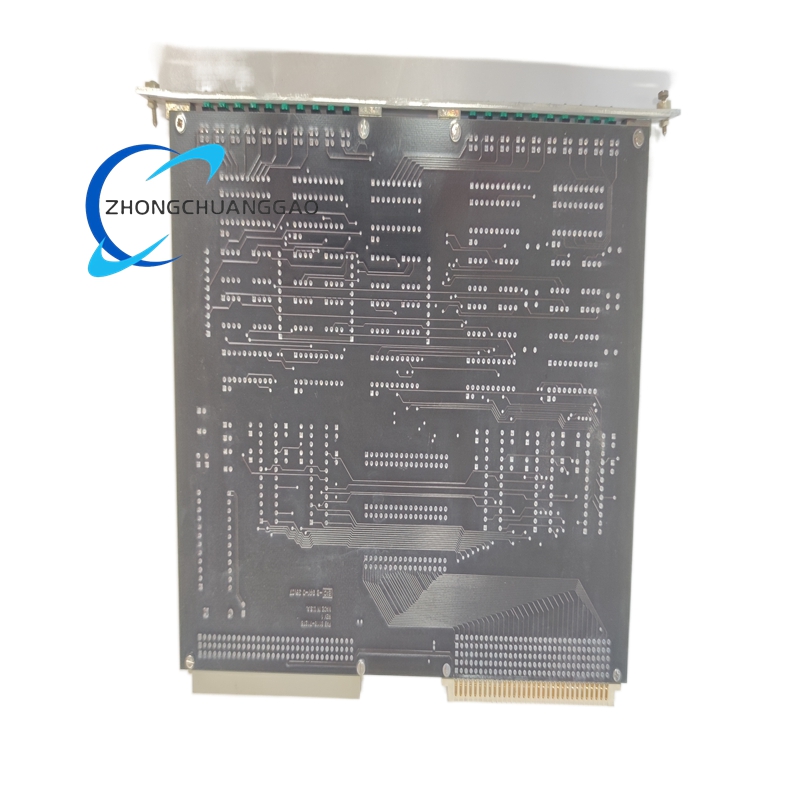
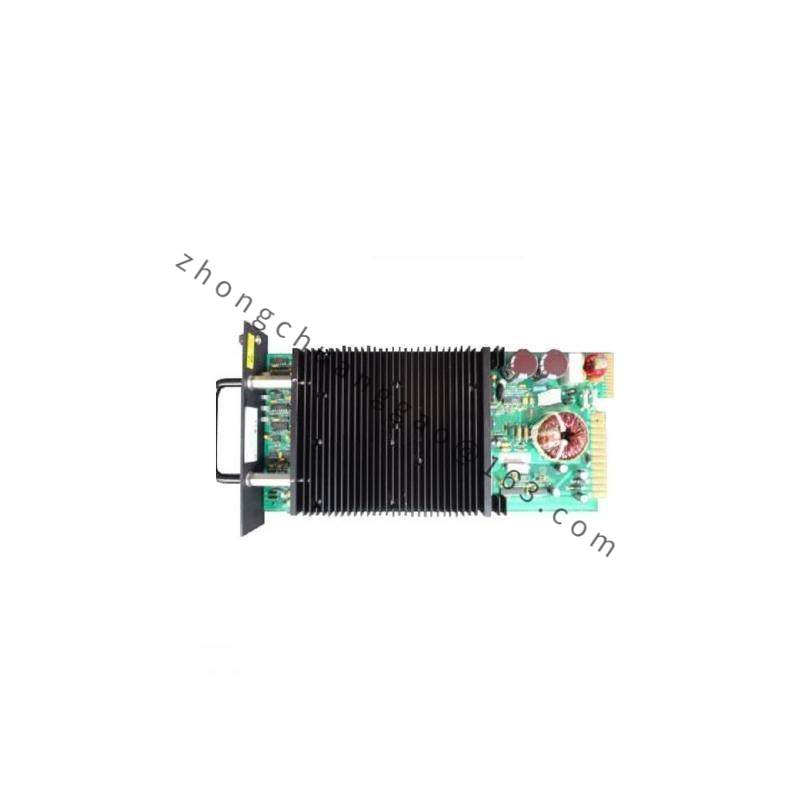
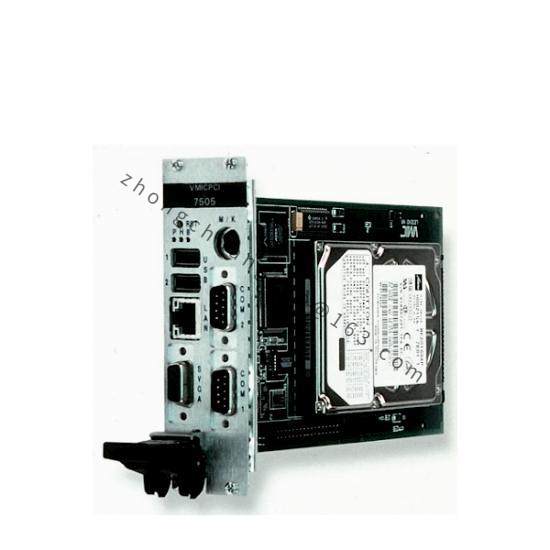
6U VME board with primary backplane connector, two PMC sites, mounting hardware, status indicators, and shielded circuit sections. Chamber interface versions add high density process connectors, analog conditioning, and conformal coating.
Working Principle
The VME carrier communicates with the host controller through the backplane, manages installed PMC cards, and exchanges process or I/O data with chambers, robots, sensors, and actuators. Mezzanine cards perform specialized signaling while the carrier handles bus arbitration, timing, and data routing.
Application Scenarios
AKT CVD and PECVD thin film deposition control.
TFT-LCD and OLED substrate processing racks.
AMAT PVD/CVD chamber interfacing and sensor signal management.
VME based semiconductor tool communication upgrades.
Installation Requirements
Confirm VME slot, 6U clearance, and PMC card compatibility.
Align and secure PMC modules with specified standoff screws.
Seat the VME connector fully and lock ejector handles.
Verify system software, firmware, and mezzanine configuration before power up.
Usage Precautions
Do not hot swap in energized VME chassis.
Use anti static handling for CMOS and PMC components.
Inspect gold plated connectors for oxidation before installation.
Validate communication, data throughput, and thermal airflow after replacement.