Digital guide

You are here:

AMAT 150-20464

Product Introduction:
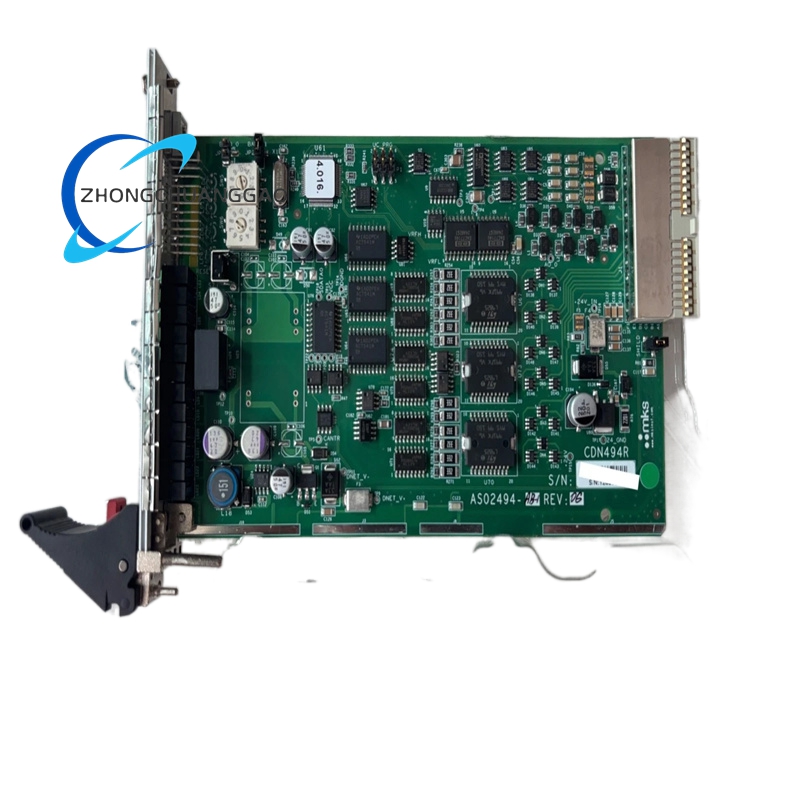
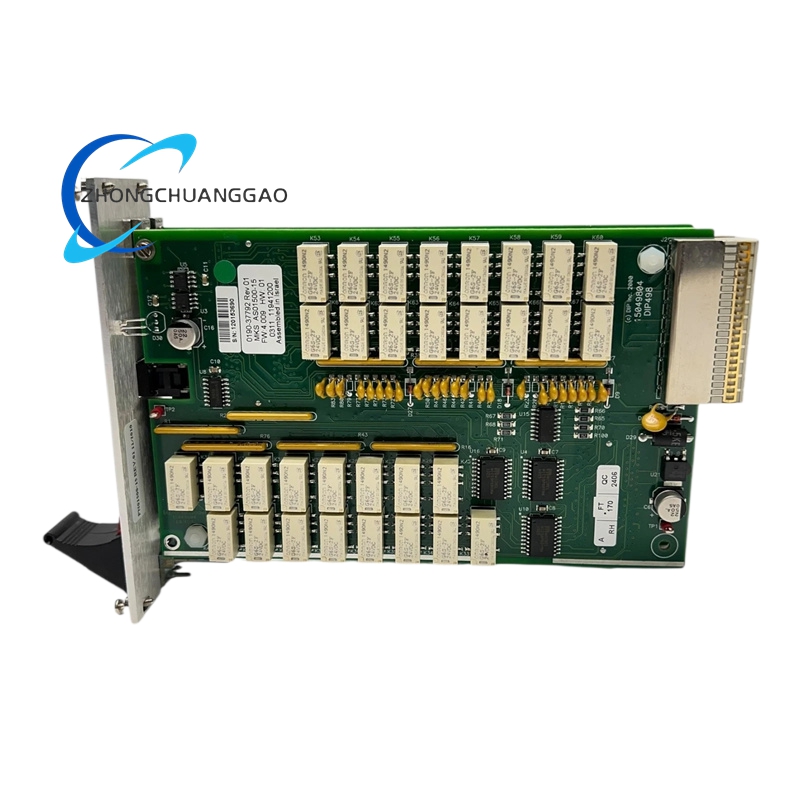
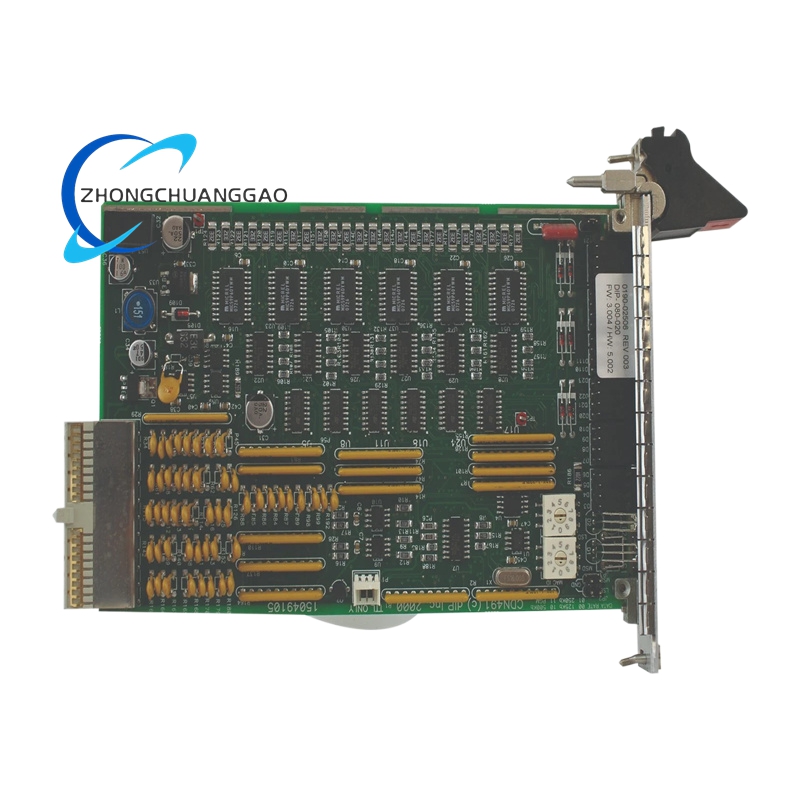
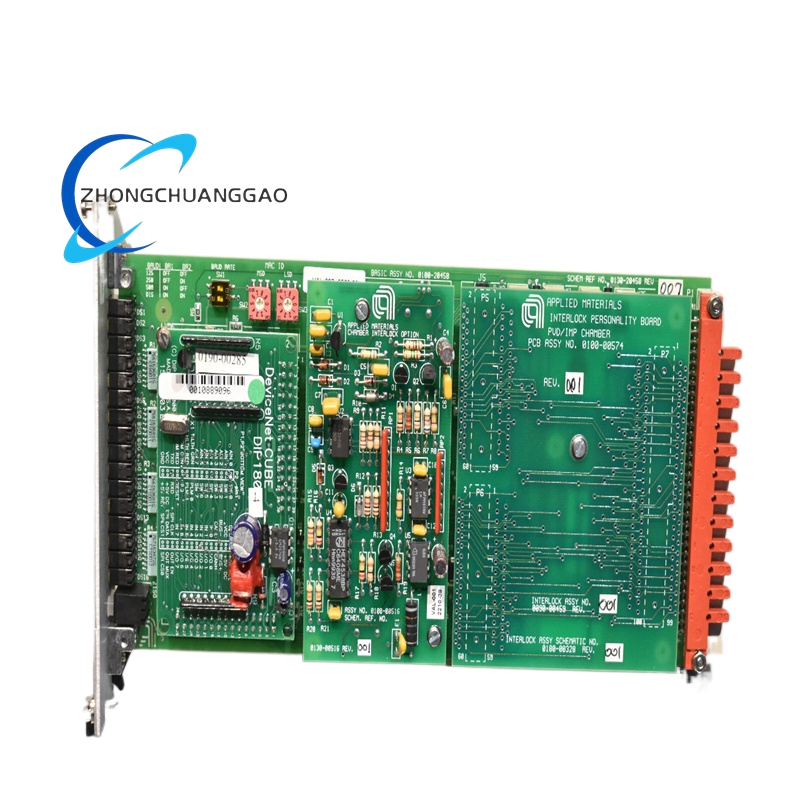
This is a key and highly sophisticated part for semiconductor lithography equipment. Lithography is a critical step in semiconductor manufacturing, where the patterns of integrated circuits are transferred onto semiconductor wafers. This component is responsible for the precise control of the mask movement and positioning during the exposure process. Its performance directly affects the resolution and accuracy of the pattern transfer, which in turn determines the quality and performance of the final semiconductor devices.

Detailed content

Technical Specifications:

  • Motion Control System: It features a state – of – the – art motion control system with a positioning accuracy of within a few nanometers. This is achieved through the use of high – precision linear motors and advanced feedback control algorithms. The linear motors provide smooth and precise movement, while the feedback sensors continuously monitor the position of the mask and make real – time adjustments to ensure accurate positioning.
  • Speed and Acceleration: The component can operate at high speeds, with a maximum speed of several meters per second, and can accelerate and decelerate rapidly. This high – speed operation is necessary to meet the high – throughput requirements of modern semiconductor manufacturing lines. For example, in a high – volume production facility, the lithography equipment needs to expose multiple wafers per hour, and fast mask movement is essential for achieving this goal.
  • Material and Structure: It is made from lightweight yet rigid materials, such as carbon fiber – reinforced composites. These materials have a high strength – to – weight ratio, which allows for rapid movement of the mask while minimizing the inertia. The rigid structure ensures that there is no deformation during movement, maintaining the accuracy of the mask positioning.
  • Environmental Resistance: The component is designed to operate in a cleanroom environment, which is essential for semiconductor manufacturing to prevent contamination of the wafers. It has a sealed structure to prevent the ingress of dust and other particles. Additionally, it can withstand the vibrations and shocks that may occur during the operation of the lithography equipment.

Functional Features:

  • Precise Mask Positioning: The main function of this component is to accurately position the mask during the exposure process. It can make fine adjustments in the X, Y, and Z directions to ensure that the mask is perfectly aligned with the wafer. This precise positioning is crucial for achieving high – resolution patterns on the wafer, especially as the feature sizes of semiconductor devices continue to shrink.
  • High – Speed Scanning: It enables high – speed scanning of the mask across the wafer surface during the exposure. This scanning motion allows for the uniform exposure of the entire wafer area, ensuring consistent pattern quality across the wafer. The high – speed scanning also reduces the exposure time per wafer, increasing the overall productivity of the lithography equipment.
  • Real – Time Monitoring and Adjustment: Equipped with advanced sensors, it can continuously monitor the position and movement of the mask in real – time. If any deviations from the desired position are detected, the control system can make immediate adjustments to correct the position. This real – time feedback and adjustment mechanism ensure the stability and accuracy of the mask positioning throughout the exposure process.
  • Compatibility with Different Masks: It is designed to be compatible with a wide range of masks used in semiconductor lithography. This allows for flexibility in the manufacturing process, as different types of masks can be used depending on the specific requirements of the semiconductor device being produced. For example, it can work with both chrome – on – glass masks and extreme ultraviolet (EUV) masks.

Application Scenarios:

  • Advanced Logic Chip Manufacturing: In the production of high – performance logic chips, such as central processing units (CPUs) and graphics processing units (GPUs), where extremely small feature sizes are required, this component is essential. The precise mask positioning and high – speed scanning capabilities enable the transfer of complex and high – resolution patterns onto the semiconductor wafers, which are then used to create the intricate circuitry of these chips.
  • Memory Chip Production: For memory chips, such as dynamic random – access memory (DRAM) and NAND flash memory, where high – density and uniform patterns are necessary, this component plays a crucial role. It ensures that the memory cell patterns are accurately transferred onto the wafers, resulting in reliable and high – capacity memory devices.

You may also like