
Digital guide

You are here:

AMAT 0225-09249

Product Introduction:
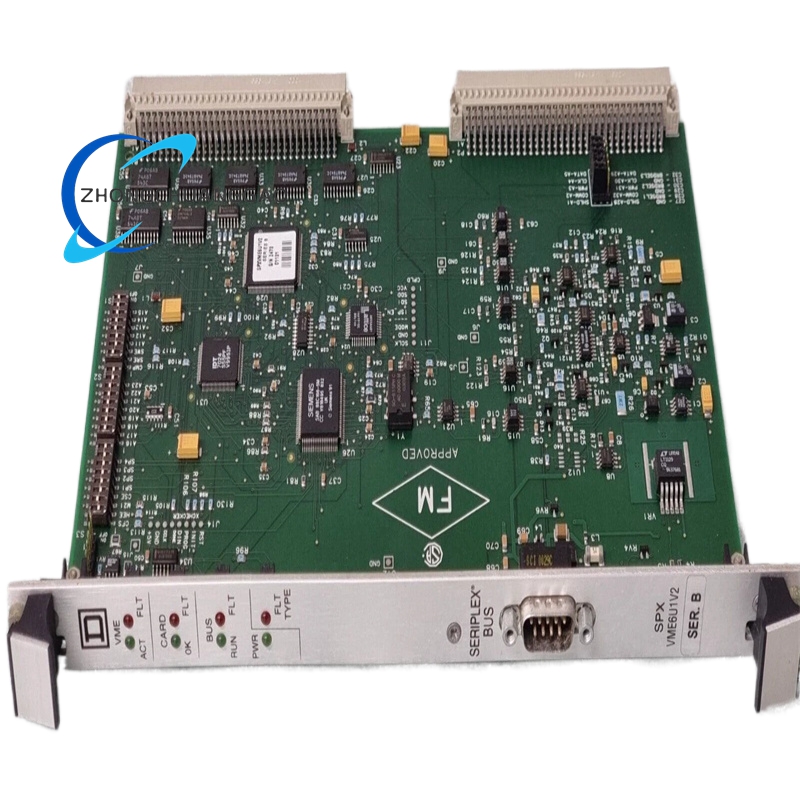
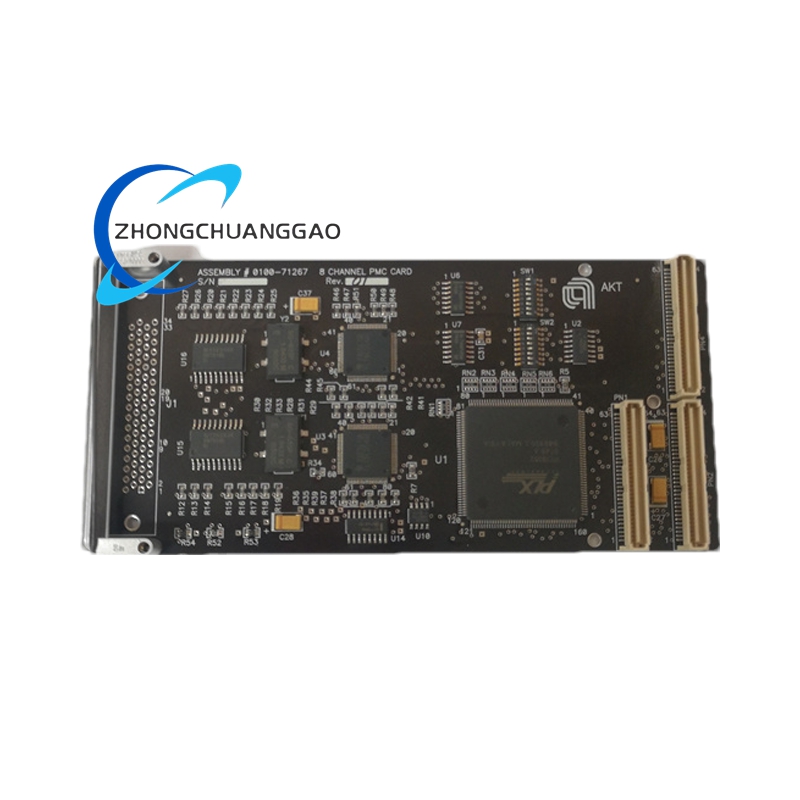
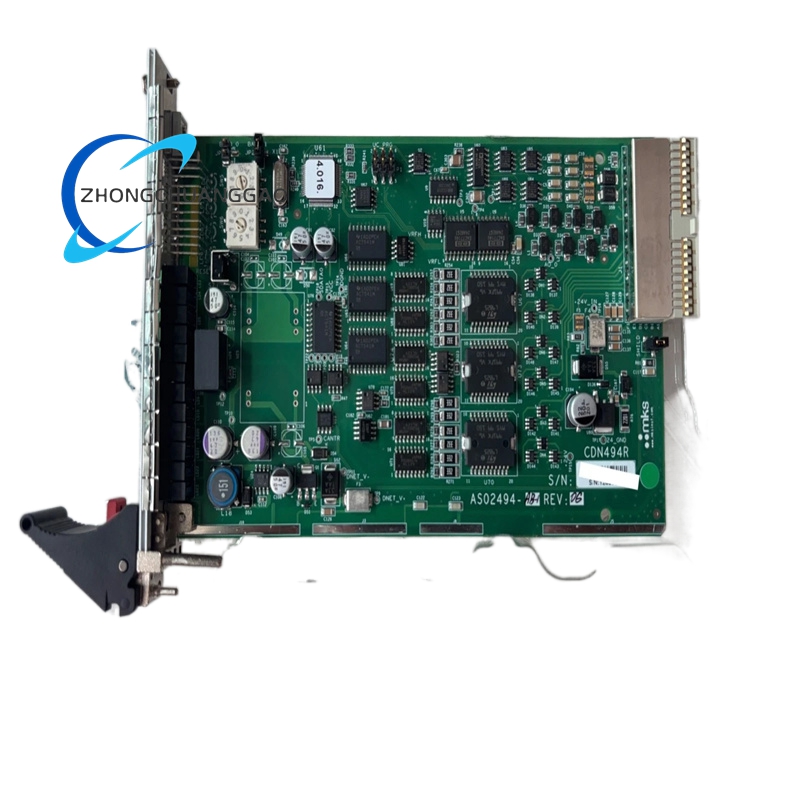
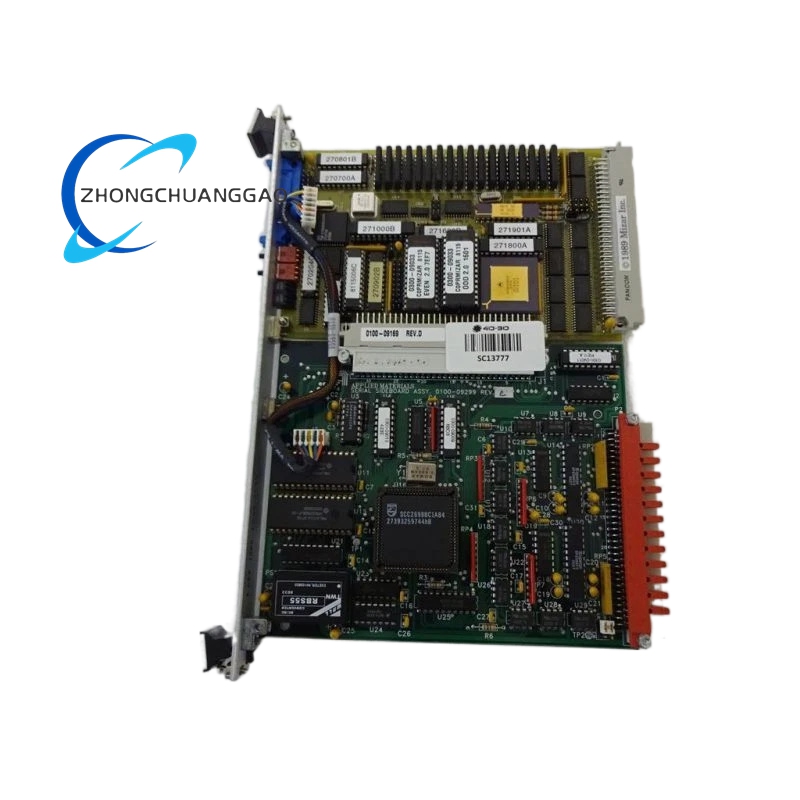
This is a crucial component in semiconductor manufacturing equipment, specifically designed for use in the material handling and transfer systems. In a semiconductor fabrication facility, the efficient and precise movement of semiconductor wafers between different processing stations is essential for maintaining high productivity and product quality. This part plays a key role in ensuring the smooth and reliable transfer of wafers, protecting them from damage and contamination during the process.

Technical Specifications:

  • Load – Bearing Capacity: It is designed to handle a specific range of wafer loads. The load – bearing capacity is typically measured in terms of the number of wafers it can carry simultaneously and the maximum weight per wafer. For example, it can safely carry up to [X] number of 300 – mm wafers, with each wafer weighing approximately [X] grams, without deformation or failure.

Detailed content

  • Movement Precision: The component has high – precision movement capabilities, with tight tolerances for position and orientation. It can move wafers with an accuracy of within [X] micrometers in the X, Y, and Z directions, and an angular accuracy of within [X] degrees for rotation. This precision is crucial for ensuring that the wafers are correctly positioned at each processing station.
  • Speed and Acceleration: It can operate at a range of speeds, from slow and precise movements for delicate wafer handling to high – speed movements for rapid transfer between stations. The maximum speed can be up to [X] meters per second, and it can accelerate and decelerate smoothly to avoid jolting the wafers.
  • Material Compatibility: The materials used in the construction of the component are compatible with the semiconductor wafer materials and the processing environment. They are non – contaminating, meaning they do not release particles or chemicals that could damage the wafers. Common materials used include stainless steel, ceramic, and high – purity plastics.

Functional Features:

  • Wafer Transfer: Its main function is to transfer semiconductor wafers between different processing chambers, such as from a load – lock chamber to a deposition chamber or from an etching chamber to a cleaning chamber. It can pick up wafers from a cassette or a wafer handler, move them through the air or a vacuum environment, and place them accurately at the desired location in the target chamber.
  • Wafer Alignment: During the transfer process, the component can also perform wafer alignment functions. It can detect the orientation of the wafer and make fine adjustments to ensure that it is correctly aligned with the processing equipment. This is important for operations such as lithography, where precise alignment of the wafer with the mask is required.
  • Protection against Damage: It is designed to protect the wafers from physical damage during transfer. It has soft – touch mechanisms or cushioning materials to prevent scratches, cracks, or other forms of damage that could occur if the wafers were to collide with hard surfaces. It also minimizes the exposure of the wafers to vibrations and shocks during movement.
  • Contamination Control: The component helps in controlling contamination in the semiconductor manufacturing environment. It is designed to prevent the introduction of particles or chemicals onto the wafer surface during transfer. It may have sealed structures or air – filtration systems to maintain a clean environment around the wafers.

Application Scenarios:

  • Integrated Circuit (IC) Fabrication Lines: In an IC fabrication facility, where multiple processing steps are carried out in different chambers, this component is used extensively for wafer transfer. It enables the continuous flow of wafers through the various processes, such as oxidation, diffusion, ion implantation, and metallization, ensuring high – volume production of integrated circuits.
  • Semiconductor Research and Development Laboratories: In research and development settings, where new semiconductor processes and materials are being tested, this component is also important. It allows for the precise and controlled transfer of wafers between different experimental setups, facilitating the development of new technologies and the optimization of existing processes.

You may also like