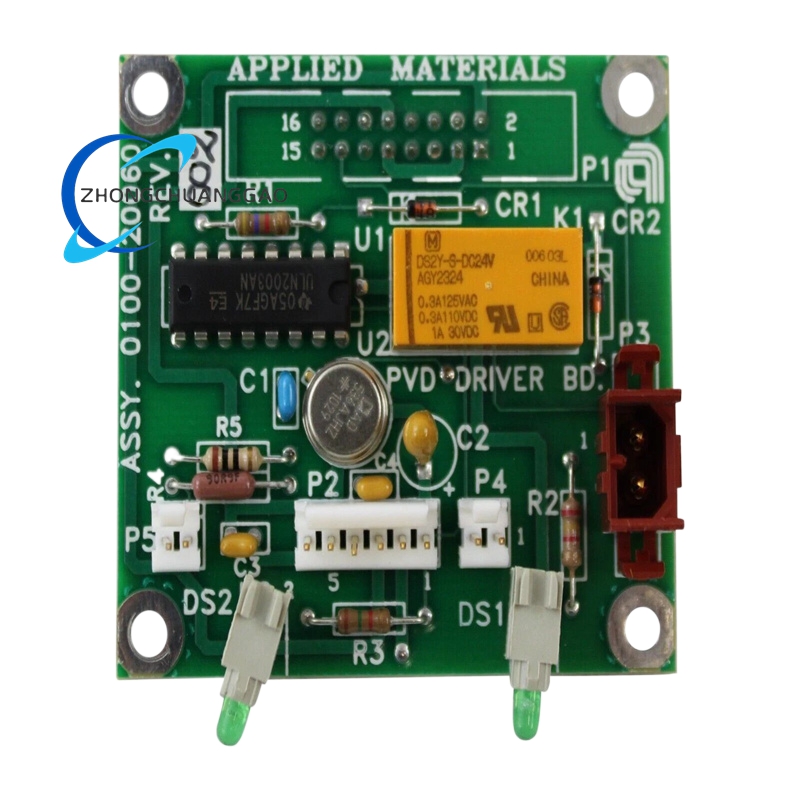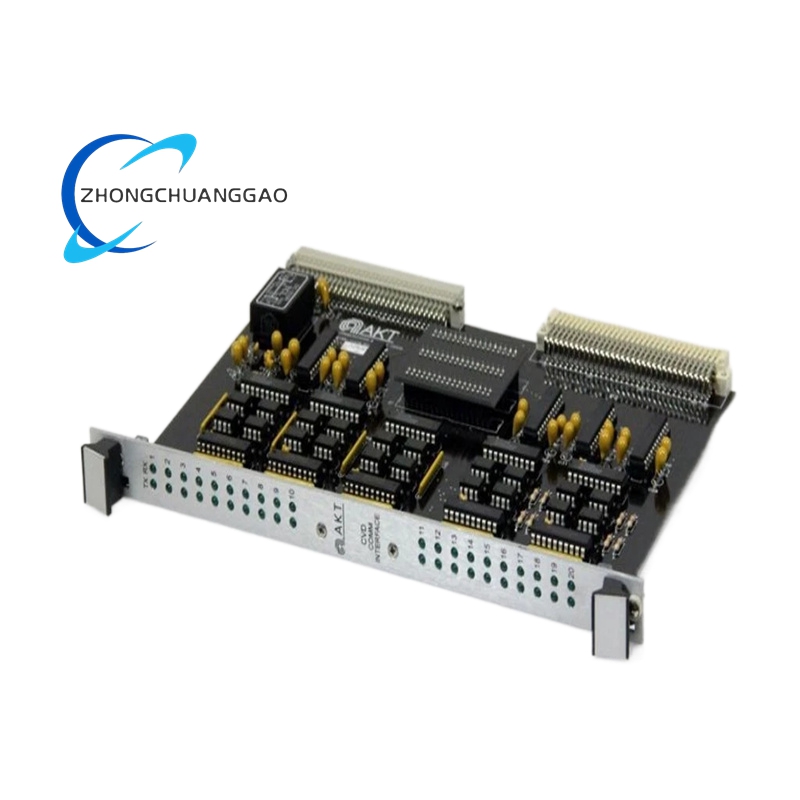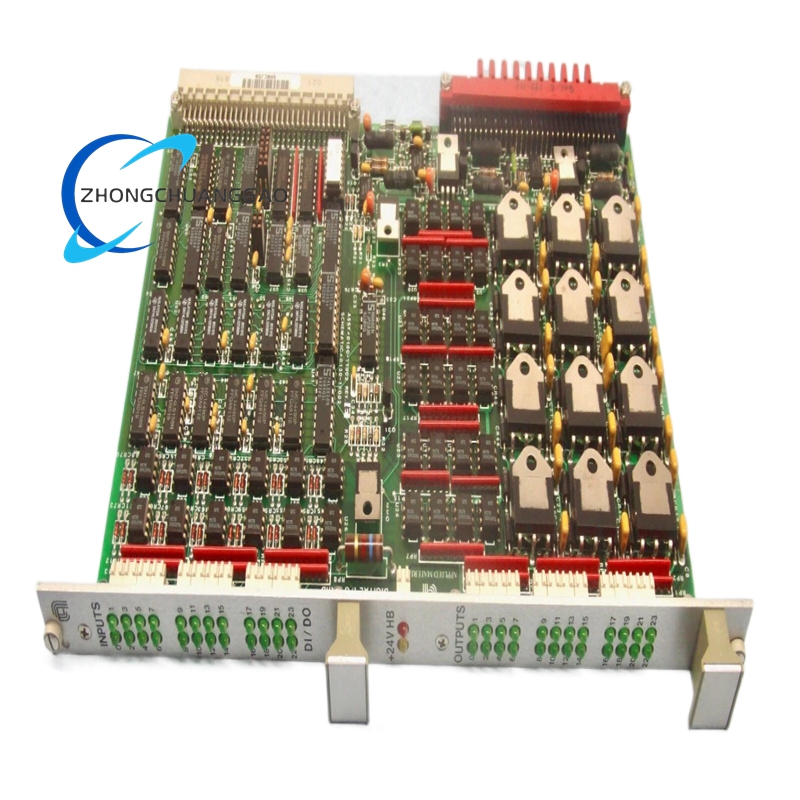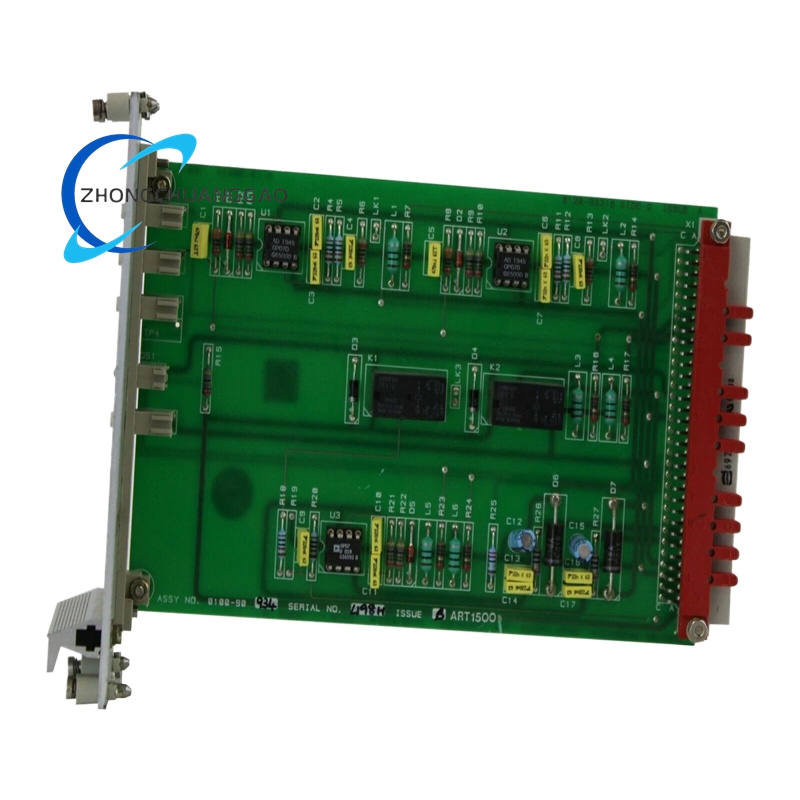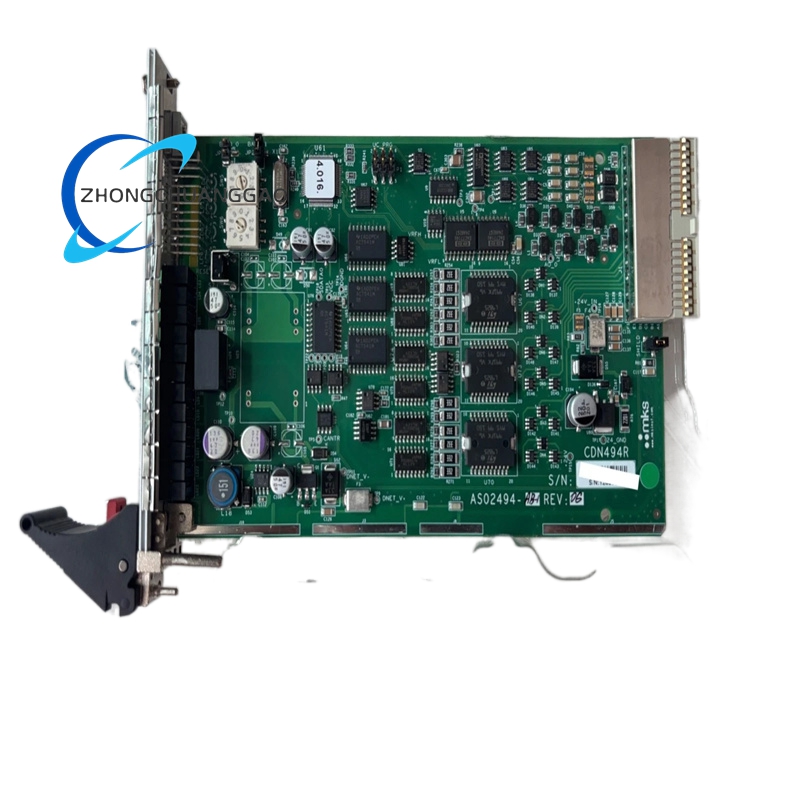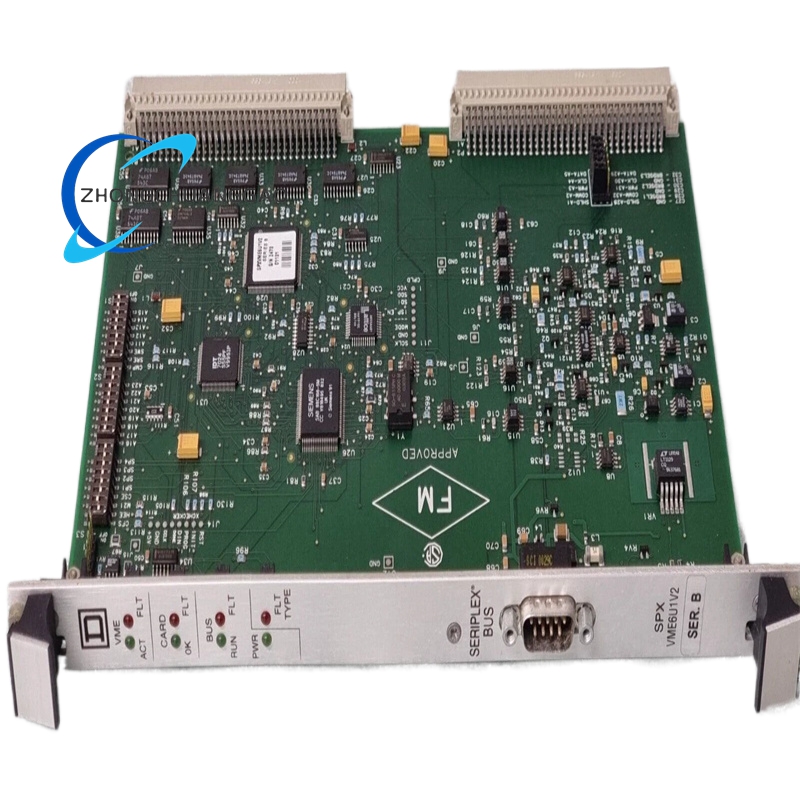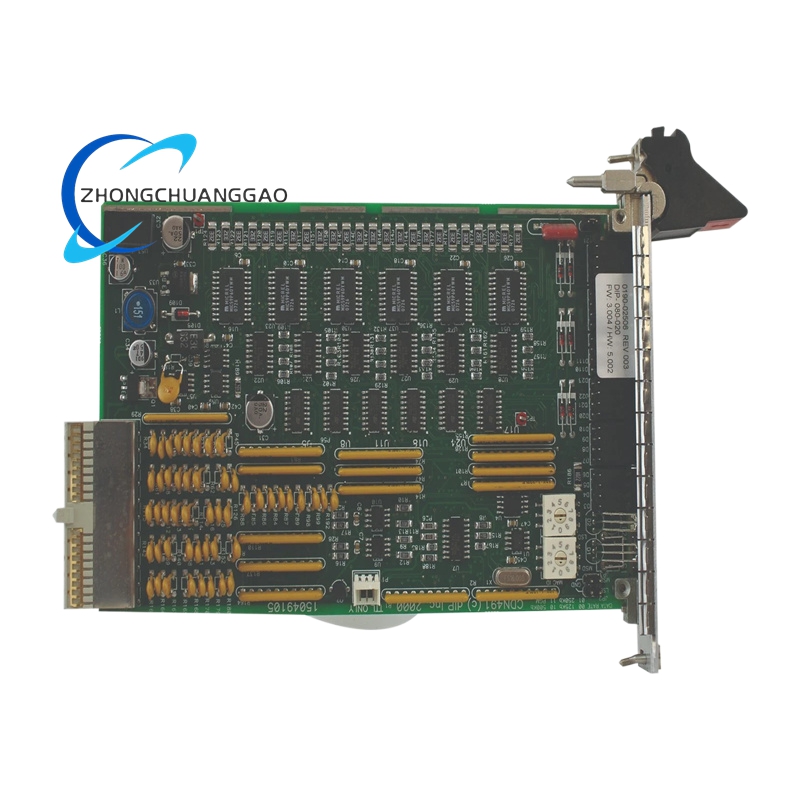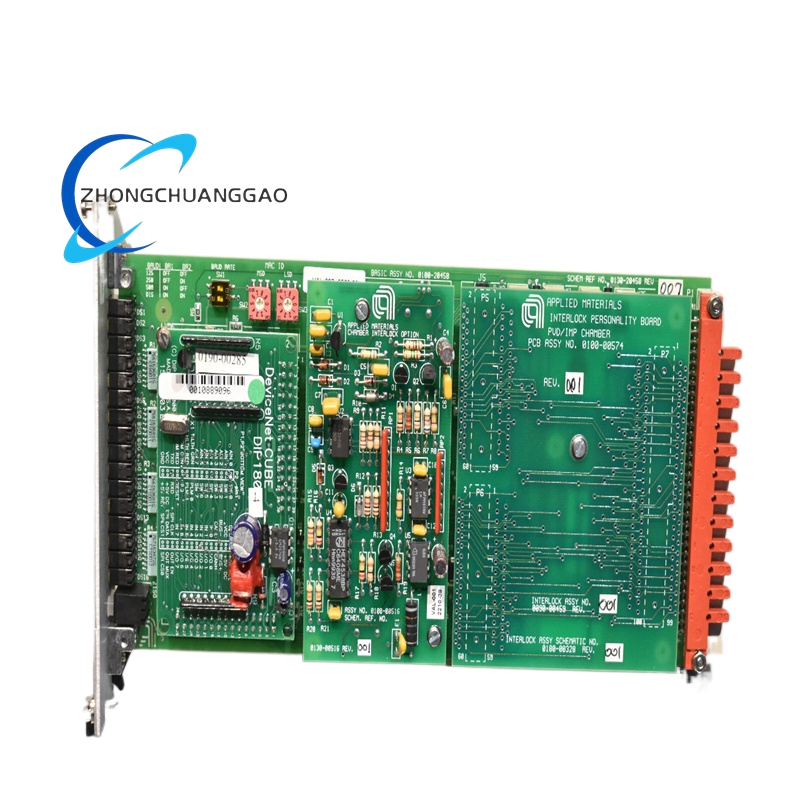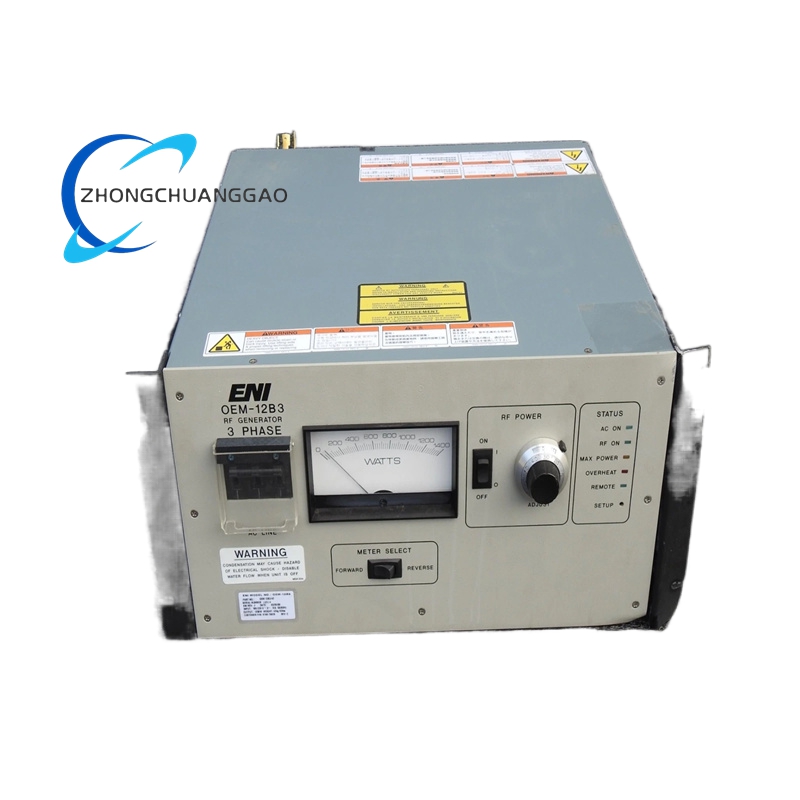
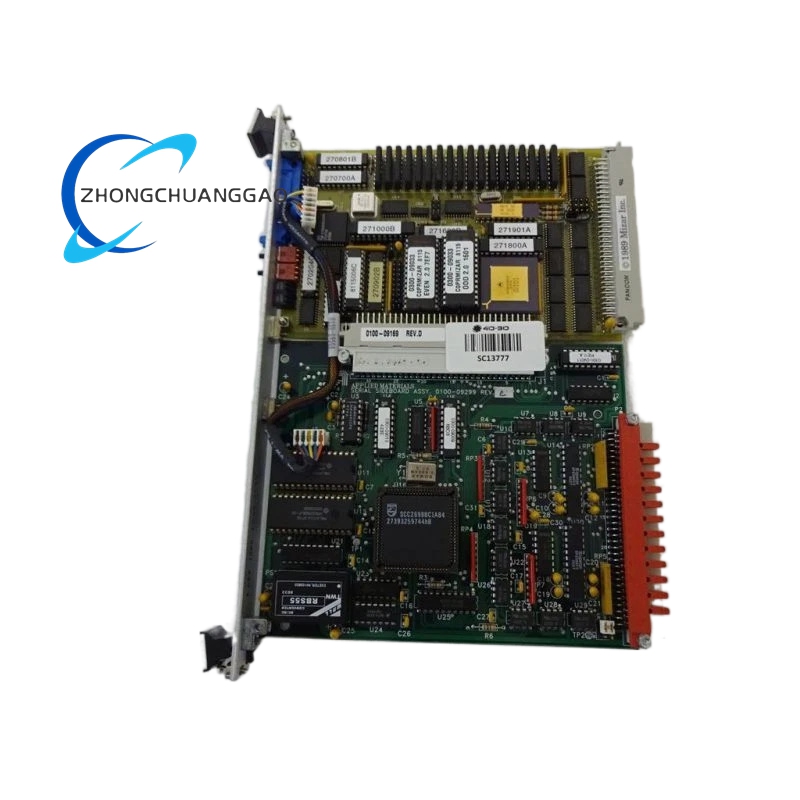

AMAT 0190-09264
Product Introduction:
This is a highly specialized and precision – engineered component specifically tailored for the semiconductor manufacturing industry. In the complex and demanding environment of semiconductor production, where even the slightest deviation can lead to significant product defects, this component serves as a cornerstone for ensuring the smooth and accurate operation of various manufacturing equipment. It is designed to withstand the rigorous conditions of the production line, including high temperatures, high pressures, and exposure to various chemicals.
Technical Specifications:
- Dimensional Tolerance: It adheres to extremely strict dimensional tolerances, often in the sub – micrometer range. This ensures a perfect fit within the manufacturing equipment, eliminating any potential for misalignment that could disrupt the production process. For example, the length and width dimensions are controlled to within ±0.001 mm, and the thickness to within ±0.0005 mm.
Detailed content
- Material Composition: The component is made from a high – grade alloy that combines excellent thermal and electrical conductivity. The alloy contains a precise blend of metals such as copper, nickel, and titanium, which gives it the ability to conduct heat evenly, preventing local overheating that could damage the semiconductor wafers or other components. Its electrical conductivity allows for efficient signal transmission within the equipment.
- Thermal Stability: It can operate in a wide temperature range, from – 50°C to 300°C, without significant deformation or performance degradation. This thermal stability is crucial as semiconductor manufacturing processes often involve rapid temperature changes.
Functional Features:
- Mechanical Support: Provides stable and reliable mechanical support to other components within the equipment. It can bear significant loads without bending or breaking, ensuring the overall structural integrity of the manufacturing setup. For instance, in a chemical vapor deposition (CVD) chamber, it supports the wafer holder and other internal parts, keeping them in the correct position during the deposition process.
- Electrical Connection: Facilitates electrical connections between different parts of the equipment. Its high – conductivity material ensures minimal electrical resistance, reducing energy loss and heat generation during the flow of electrical signals. This is especially important in high – power semiconductor manufacturing processes.
- Easy Installation and Replacement: Designed with user – friendliness in mind, it can be easily installed and removed from the equipment. This reduces the downtime during maintenance and repair operations, increasing the overall productivity of the semiconductor manufacturing line. For example, it may have standardized mounting holes and quick – release mechanisms.
- Anti – Corrosion Properties: The surface of the component is treated with a special anti – corrosion coating. This protects it from the corrosive chemicals used in semiconductor manufacturing, such as hydrofluoric acid and chlorine – based compounds. The coating can withstand long – term exposure to these chemicals without peeling or losing its effectiveness, extending the service life of the component.
Application Scenarios:
- Chemical Vapor Deposition (CVD) Equipment: In CVD processes, where thin films of various materials are deposited on semiconductor wafers, this component plays a vital role. It helps in maintaining the correct position of the wafer during the deposition, ensuring uniform film thickness across the entire wafer surface. For example, in the production of silicon nitride films for gate insulators in transistors, precise positioning is essential for achieving the desired electrical properties.
- Etching Equipment: During the etching process, which is used to create patterns on the semiconductor wafer by removing unwanted material, this component ensures the accurate control of the etching tool. It helps in maintaining the correct distance between the etching head and the wafer surface, preventing over – etching or under – etching, which could lead to device failure.