Digital guide

You are here:

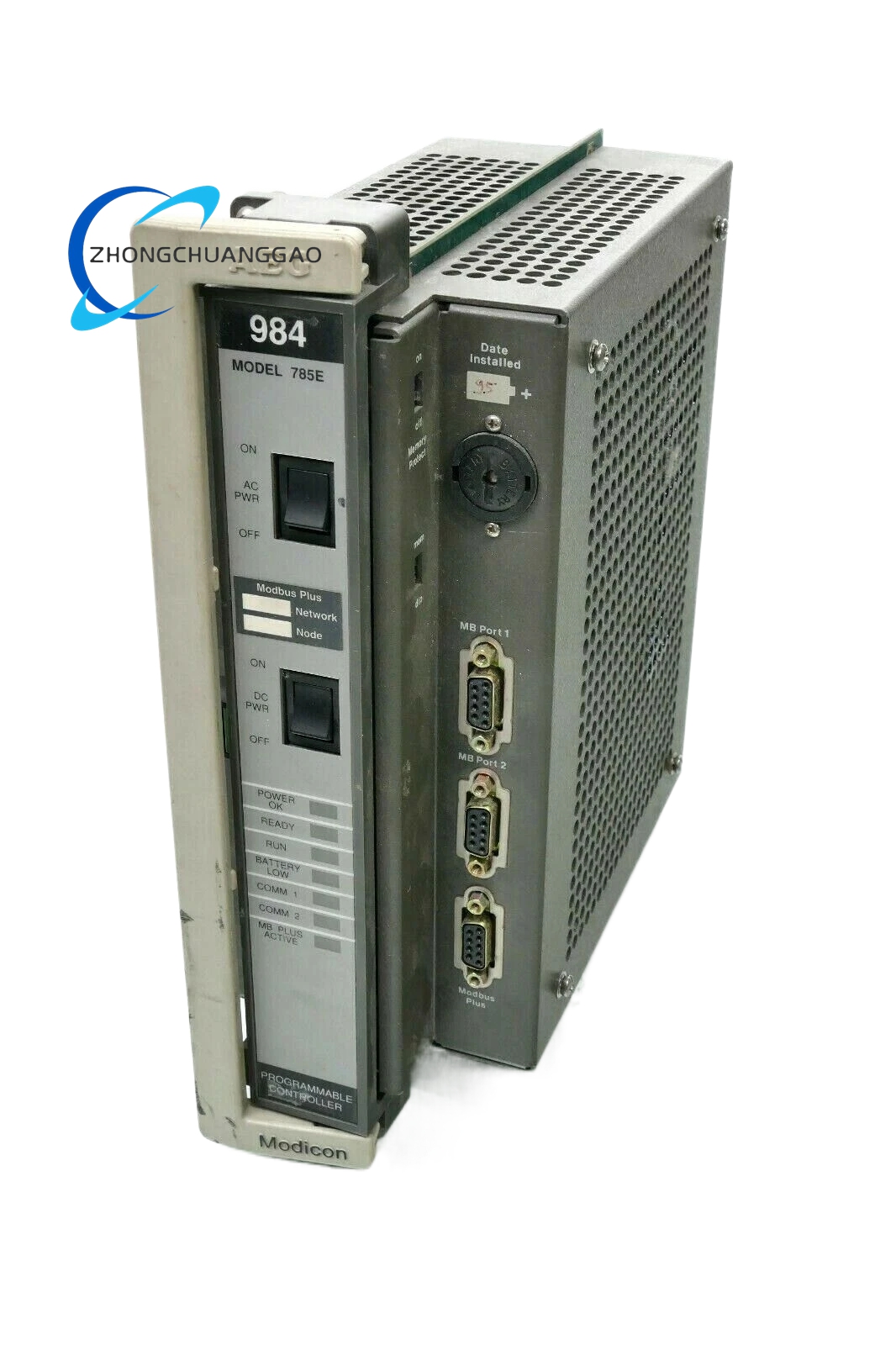
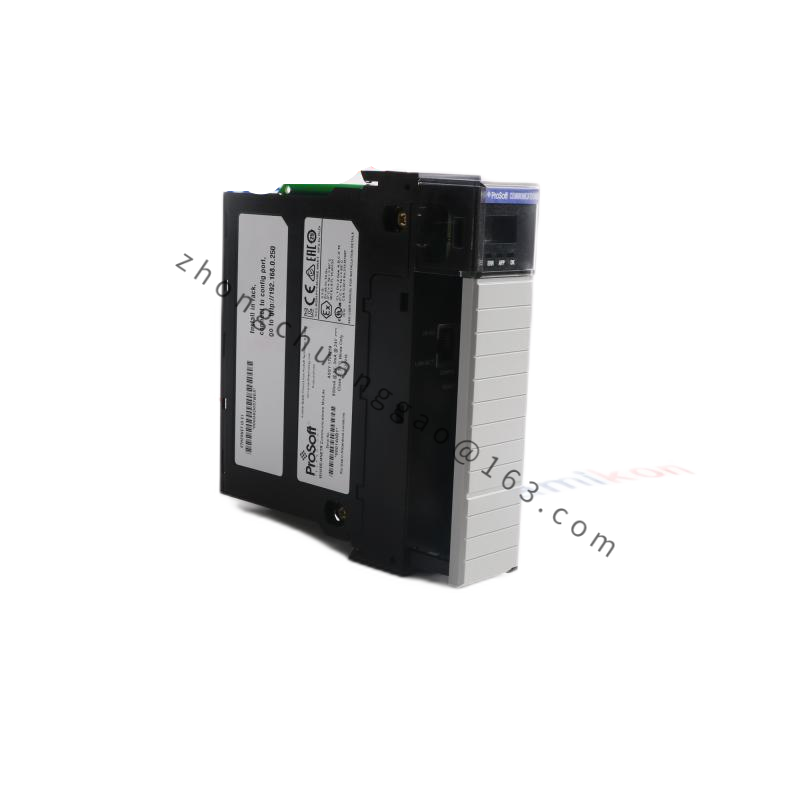
AEG PC-A984-141

Technical Specifications:

  • Processor type: 32 – bit RISC processor
  • Instruction execution speed: 0.05 μs per basic instruction
  • User program memory: 32 KB Flash memory (expandable up to 128 KB)
  • Data memory: 16 KB RAM (expandable up to 64 KB)
  • Number of I/O points: Up to 1024 digital I/O points, 256 analog I/O points (expandable via I/O racks)
  • Communication ports: 2 x RS – 232, 1 x RS – 485 (Modbus RTU/ASCII), 1 x Ethernet (TCP/IP, Modbus TCP)
  • Programming language: LD, FBD, IL, Structured Text (ST)
  • Operating voltage: 24 V DC (18 V DC – 30 V DC)
  • Power consumption: 12 W
  • Operating temperature range: -10°C to +60°C
  • Degree of protection: IP20
Detailed content

  • Functional Features:
    • Exceptional processing power to execute complex control programs, including PID control, sequential logic, and mathematical calculations, at high speeds.
    • Supports multiple I/O racks, enabling flexible expansion of the control system to meet the requirements of large – scale applications.
    • Advanced communication capabilities allow seamless integration with HMI, SCADA systems, other PLCs, and enterprise – level networks for data exchange and remote monitoring/control.
    • Built – in data storage and logging functions can record process data, alarm events, and system parameters for analysis and troubleshooting.
    • Redundant configuration options (CPU, power supply, communication) are available to enhance system reliability and minimize downtime.
    • Comprehensive diagnostic functions provide detailed information on system faults, including module failures, communication errors, and I/O signal abnormalities, simplifying maintenance and reducing repair time.
  • Application Scenarios: Continuous process industries, such as chemical, petrochemical, and pharmaceutical plants, for controlling reactors, distillation columns, and batch processes; Large – scale manufacturing facilities, including automotive assembly lines, semiconductor fabrication plants, and food processing factories; Power generation and distribution systems for monitoring and controlling generators, transformers, and switchgear; and Building automation systems in skyscrapers, airports, and stadiums for integrated control of lighting, HVAC, security, and fire protection systems.

You may also like