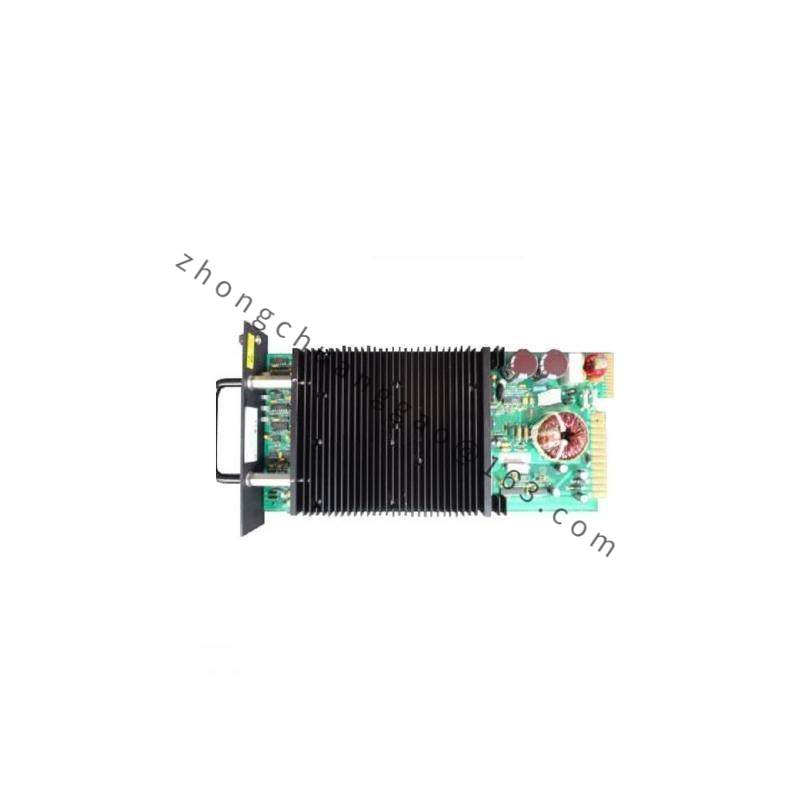
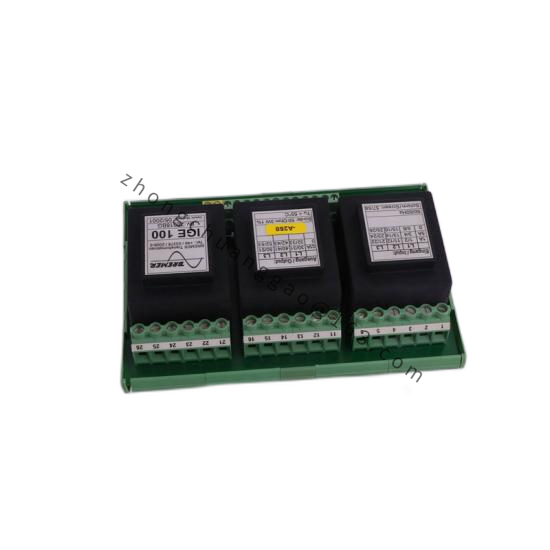
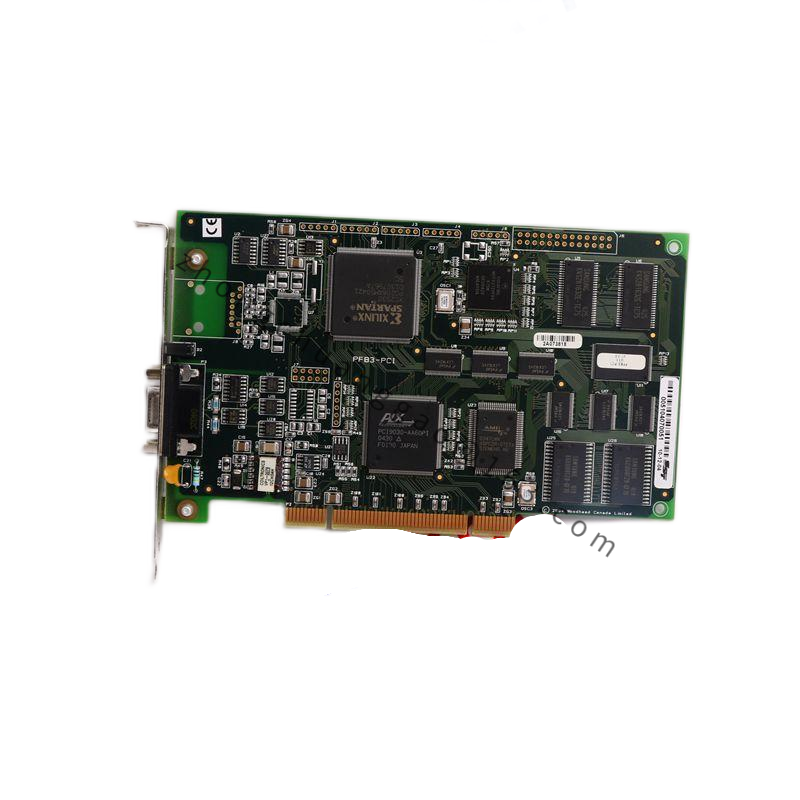
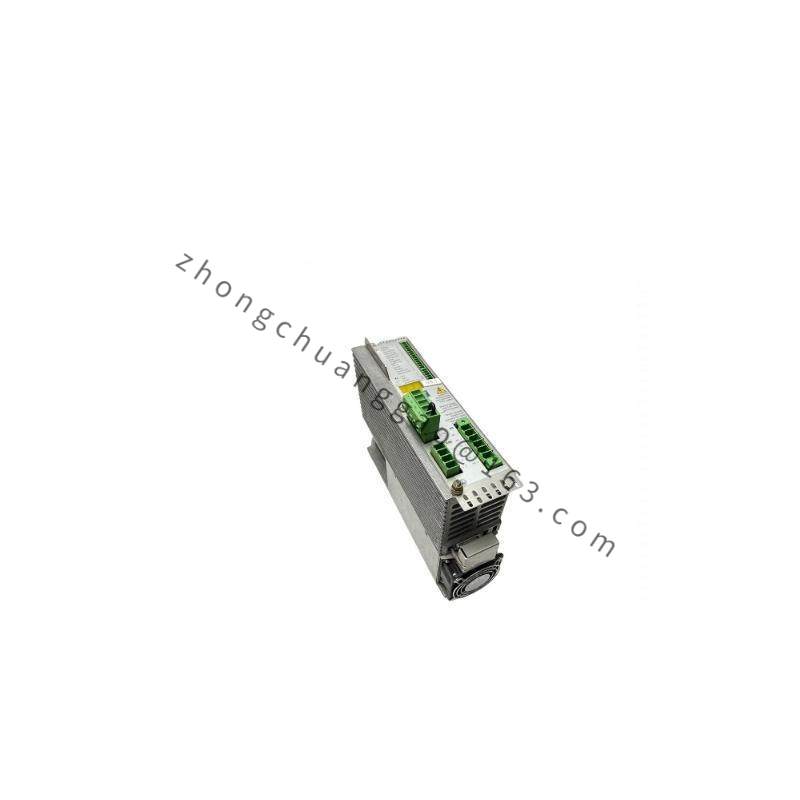
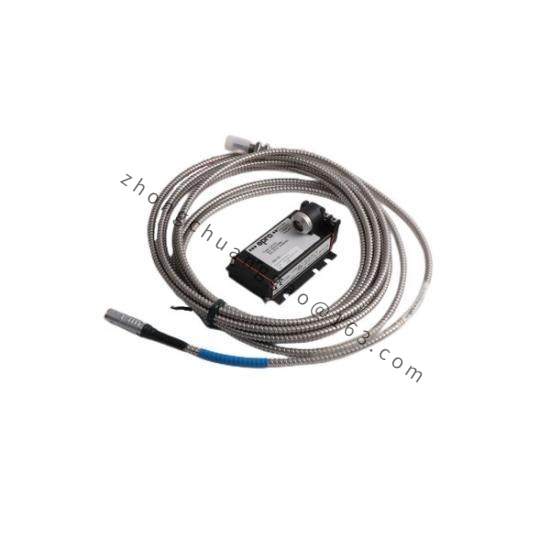
AEG ASP930001 Series Industrial Grade Analog Signal Splitter Module
AEG ASP930001 Series Industrial Grade Analog Signal Splitter Module
Product Introduction: This is an industrial-grade 1-in-4 analog signal splitter module from AEG, designed to split a single input analog signal into four identical, electrically isolated output signals for simultaneous use by multiple devices. It delivers high precision and stable signal replication, eliminating signal interference between channels and ensuring consistent data transmission across industrial control systems, making it ideal for applications requiring signal distribution without quality loss.
Technical Specifications:
Input Signal Types: 4-20 mA DC, 0-20 mA DC, 0-5 VDC, 0-10 VDC, ±5 VDC, ±10 VDC (software configurable).
Output Channels: 4 isolated analog output channels, matching the input signal type.
Accuracy: ±0.05% of full scale at 25°C; ±0.1% over -25°C to +70°C.
Isolation: 3000 VAC between input and outputs, 1500 VAC between outputs.
CMRR: ≥120 dB; NMRR: ≥80 dB.
Power Supply: 24 VDC, power consumption ≤2.5 W.
Operating Temperature: -25°C to +70°C; Storage Temperature: -40°C to +85°C; Protection Rating: IP20.
1-in-4 signal splitting enables multiple devices to share a single sensor/transmitter signal without signal degradation.
3000 VAC isolation prevents ground loops and interference between input and outputs, ensuring signal integrity.
High CMRR/NMRR filters out industrial noise, maintaining signal accuracy in harsh environments.
Software-configurable signal types for versatile compatibility with various sensors and instruments.
LED indicators for power, input signal, and output status for real-time monitoring.
Short-circuit and overvoltage protection on outputs to safeguard connected equipment.
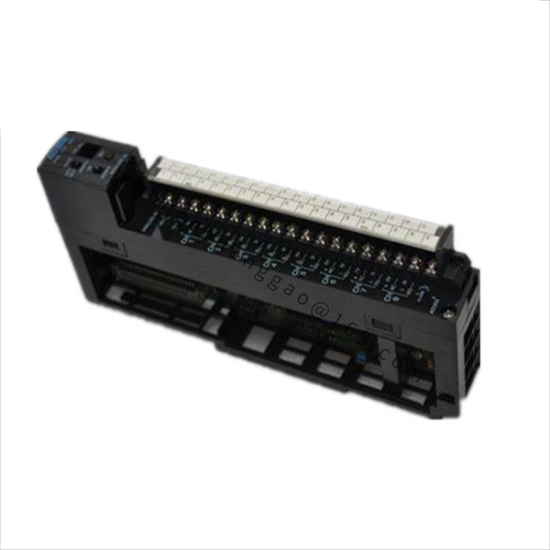
Compact design saves space in control cabinets, with easy DIN rail installation.
Application Scenarios: Used in industrial process control systems, including chemical plants, oil refineries, and water treatment facilities, where multiple control systems need to access the same sensor data. It is also suitable for factory automation, building management systems, and test benches requiring precise signal replication across devices.