ABB DSQC236A YB560103-CA12
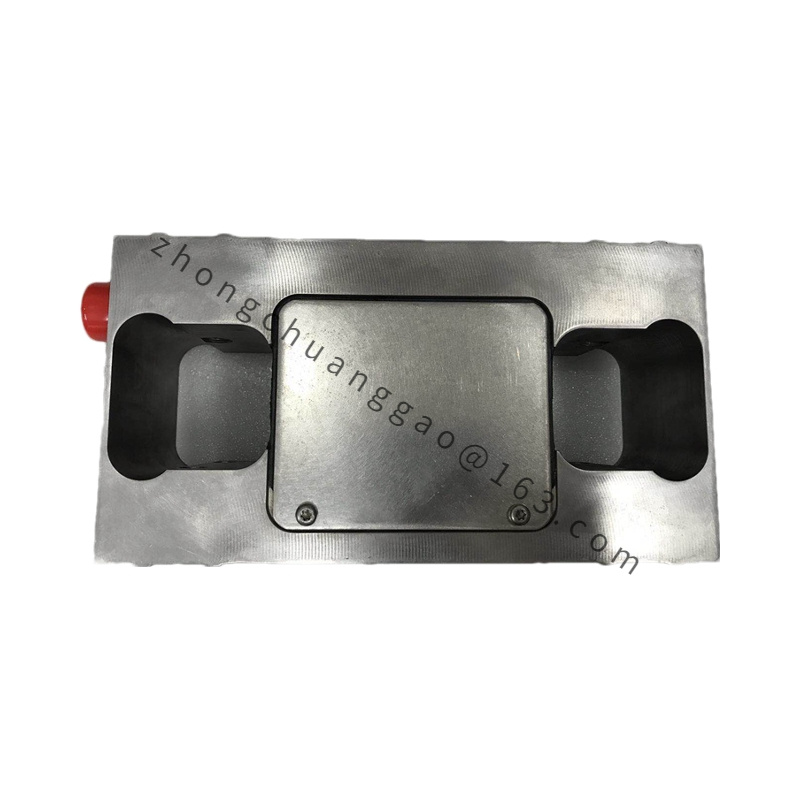
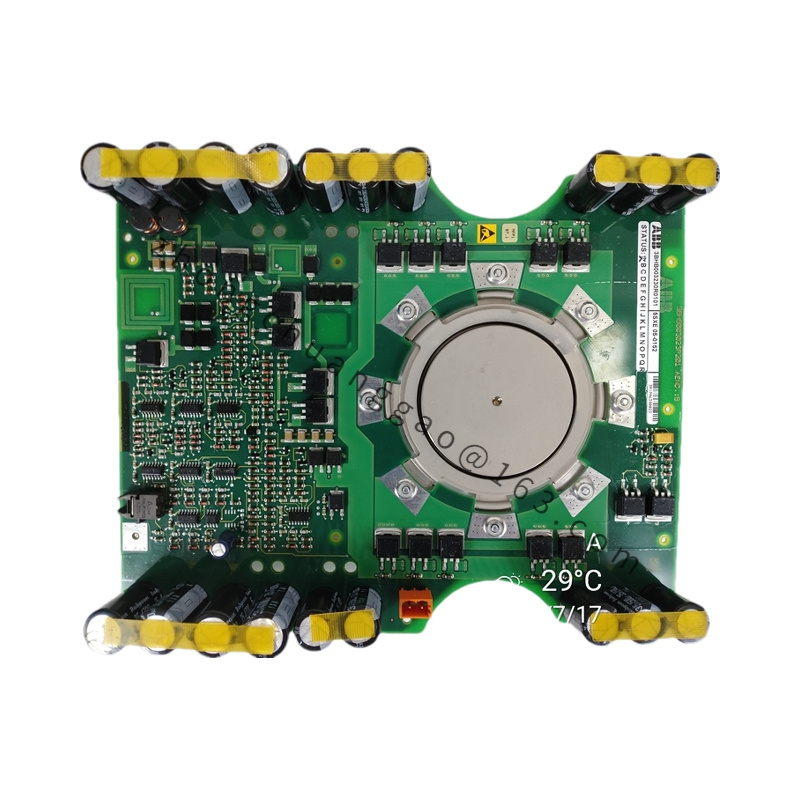
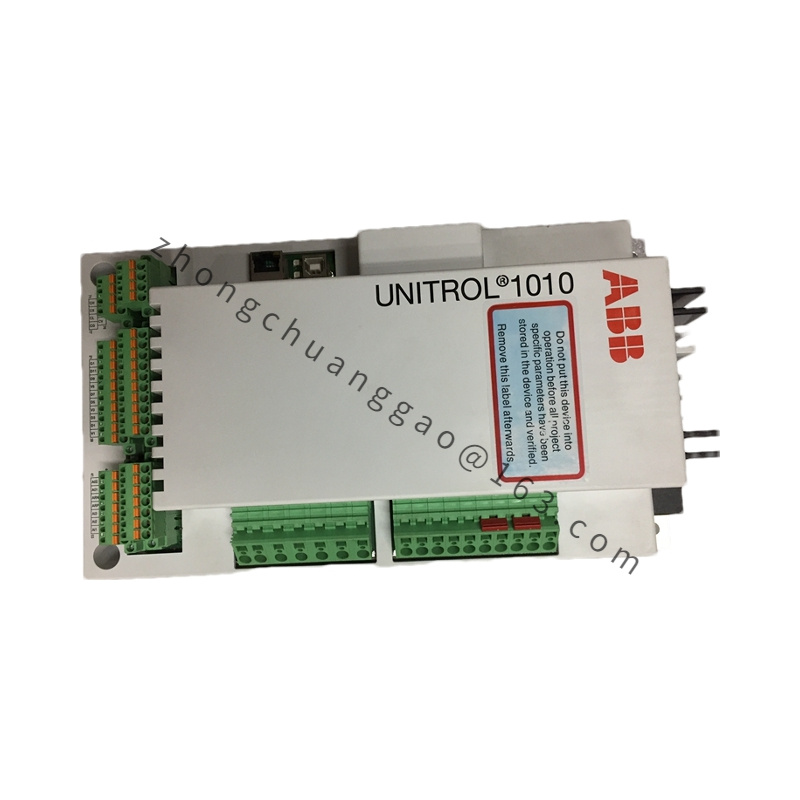
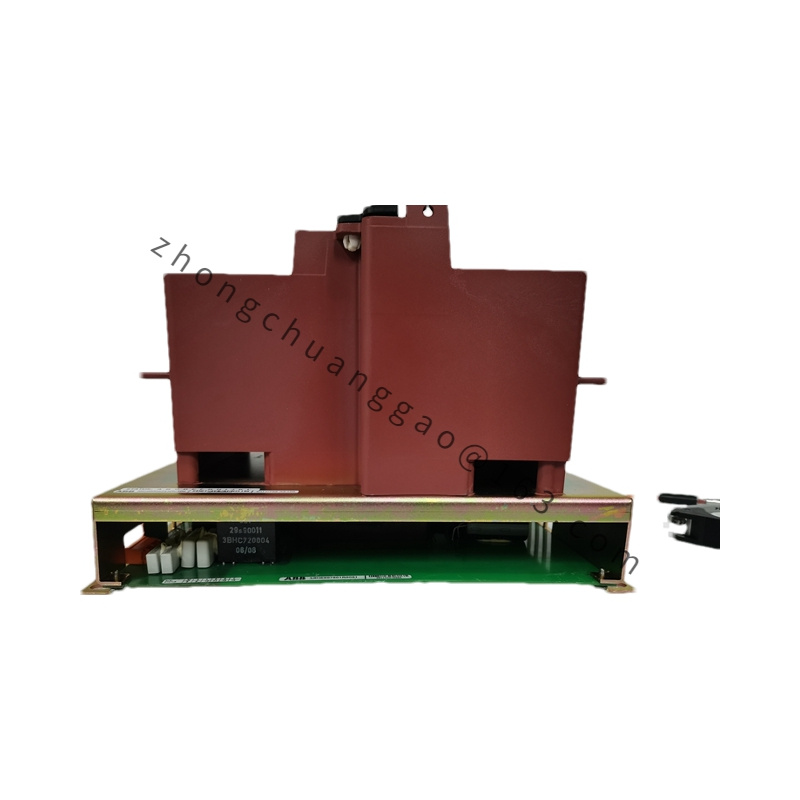
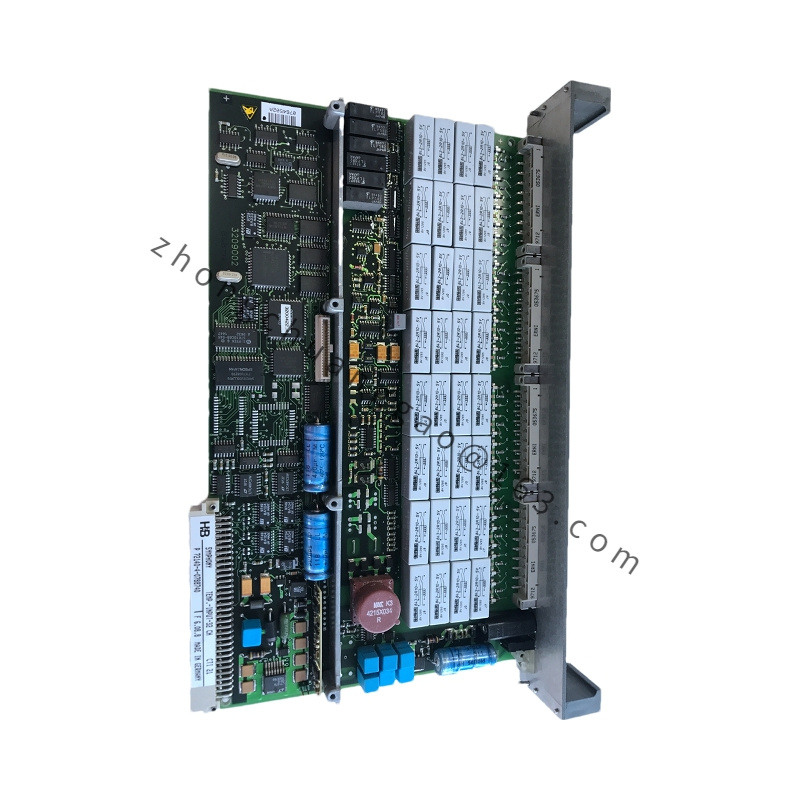
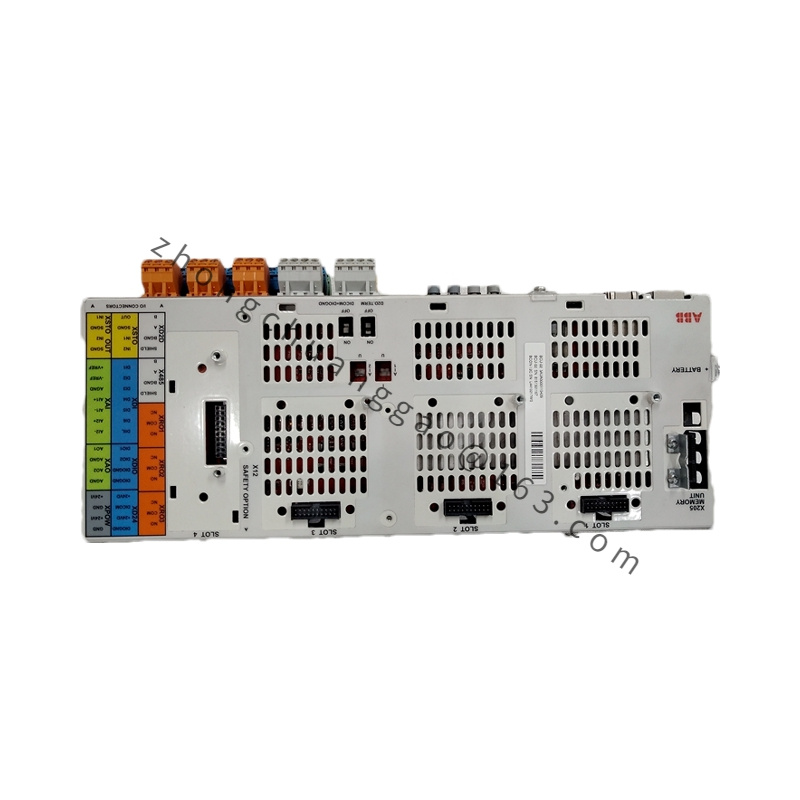
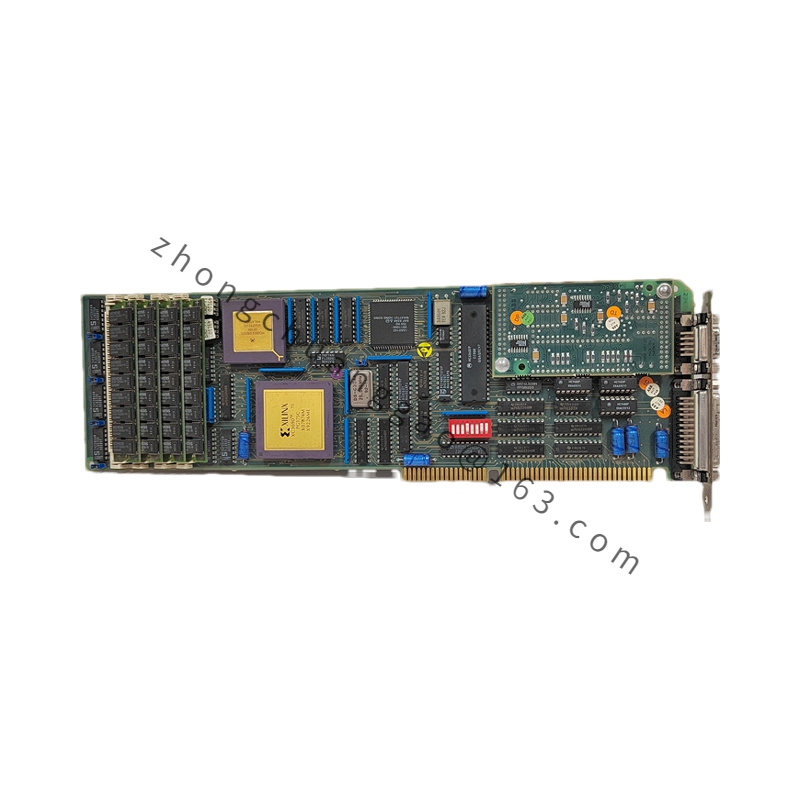
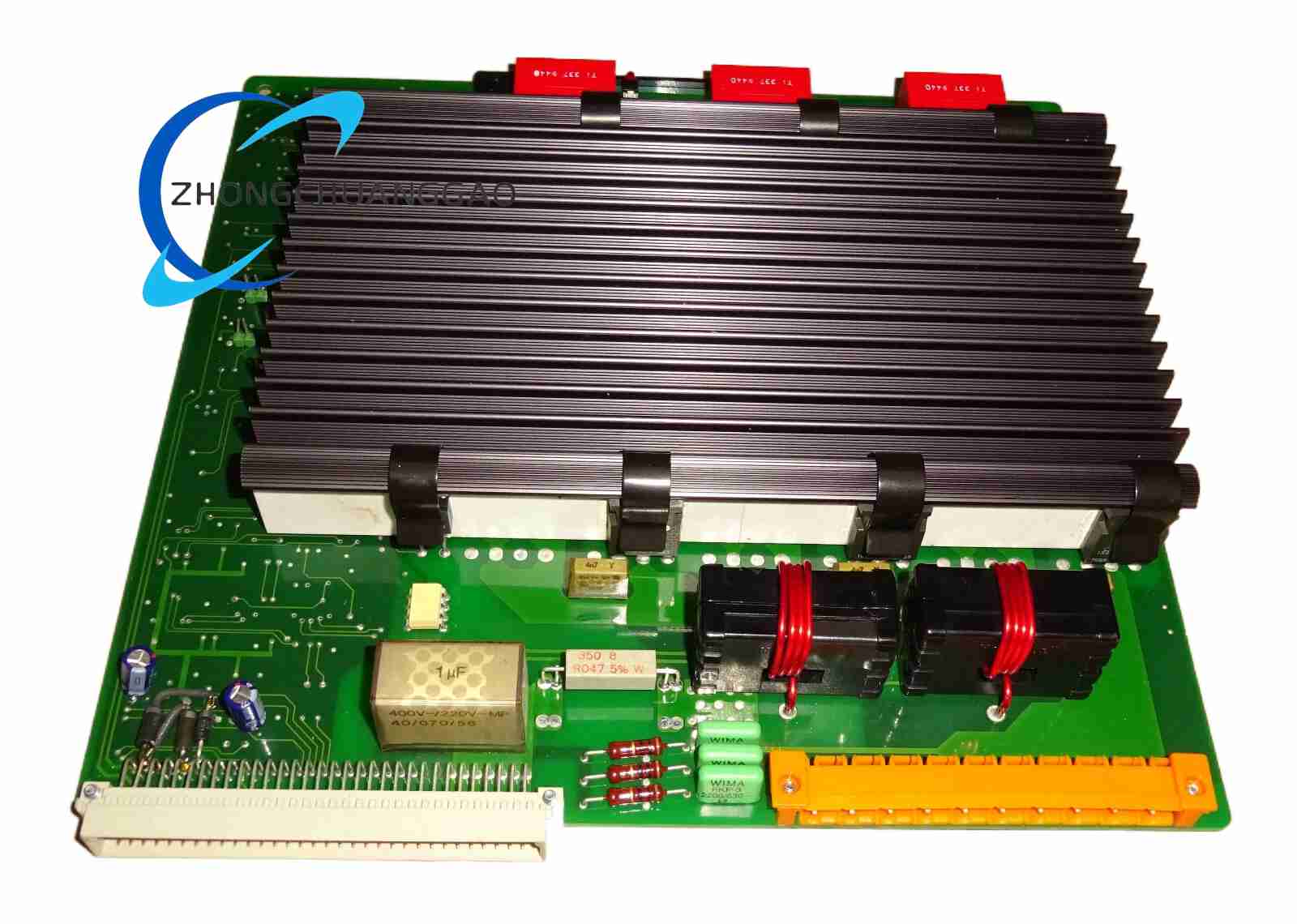
Product Description: This is a high-integrity motion control circuit board manufactured by ABB Robotics, designated as a core processing module within the ABB S4 and OmniCore robot controller families. The board is responsible for executing real-time servo loop calculations for all six robot axes simultaneously, interpreting trajectory commands from the main controller CPU, and generating precise pulse-width modulated drive signals for each axis servo amplifier. It represents one of the most critical electronic components in the robot system as any failure directly affects positioning accuracy and operational safety.
Detailed content
Technical Specifications: Six-axis independent position velocity and torque control loops running at 10 kilohertz update rate, encoder input interface compatible with ABB ServoOne and FlexPendant absolute encoders with 23-bit resolution, communication with main controller via dual-redundant EtherCAT fieldbus channels, operating voltage 24 volts DC with internal regulation to 5 volts and 3.3 volts for logic, maximum continuous power dissipation 12 watts, conformal coated for humidity and contaminant resistance, board dimensions approximately 200 by 150 millimeters.
Functional Features: Real-time trajectory interpolation with look-ahead capability processing up to 1000 trajectory points ahead of current position, automatic over-torque detection with programmable thresholds that trigger immediate servo disable within 500 microseconds, built-in self-diagnostic system that logs fault codes to non-volatile memory for service troubleshooting, supports both joint space and Cartesian space motion commands, position tracking error monitoring with automatic compensation to maintain accuracy under varying load conditions, hot-standby redundancy mode where a second identical board can take over instantly if the primary board fails.
Application Scenarios: Primary use in ABB IRB 6700 and IRB 2600 series robots deployed for arc welding in automotive body shops where precise seam tracking at 30 millimeters per second is required, extensively used in ABB IRB 4600 palletizing robots in food and consumer goods packaging lines handling cases at rates exceeding 100 picks per minute, applied in ABB IRB 1600 small robot systems for electronic component assembly and screwdriving operations in cleanroom environments, also deployed in ABB Foundry Plus robots for high-temperature metal casting handling where board thermal rating is critical.
Performance Parameters: Positioning repeatability of 0.01 millimeters under normal operating conditions with no load variation, maximum position error during dynamic motion less than 0.05 millimeters at 2 meters per second end-effector speed, servo loop response time 0.5 milliseconds from command receipt to drive signal output, electromagnetic compatibility fully compliant with IEC 61800-3 category C3 for industrial drive environments, operating temperature range 0 to 55 degrees Celsius with no performance degradation, mean time between failures rated at 50000 hours under normal duty cycle conditions.
Material Composition: Multi-layer PCB constructed from high-Tg FR-4 laminate with 1.6 millimeter thickness for dimensional stability, surface mount and through-hole components including ARM Cortex-based motion processor, FPGA for encoder decoding and gate drive logic, power MOSFETs for driver output stage, all solder joints are lead-free SAC305 alloy with no-clean flux process, enclosure is die-cast aluminum with anodized finish and internal EMI shielding gaskets, all board-to-board connectors are gold-plated for corrosion-free mating over 10000 cycles.
Structural Features: Modular plug-in card format with two high-density 96-pin board-to-board connectors for reliable signal and power transfer, independent ground planes for analog and digital sections to minimize noise coupling, dedicated signal isolation channels between encoder input and drive output circuits using opto-couplers and digital isolators rated at 5000 volts RMS, mounting holes positioned for secure fastening to vertical backplane with spring-loaded ejector handles for tool-free removal, clearly labeled test points on board edge for service technician diagnostics using oscilloscope.
Working Principle: The board receives target position and velocity commands from the main robot controller CPU via the EtherCAT fieldbus at each 10 kilohertz cycle. Simultaneously it reads the actual position from the axis motor encoder through a high-speed quadrature decoder circuit. The motion processor compares the commanded and actual values, computes the position and velocity errors, and executes a proprietary PID plus feedforward control algorithm to generate the optimal servo drive signal. This signal is converted to pulse-width modulated gate drive signals for the external servo amplifier. The entire loop from command receipt to drive output completes within 0.5 milliseconds, ensuring the robot follows its programmed path with sub-0.01 millimeter precision even during rapid directional changes.
Installation Requirements: The board must be installed in the ABB robot controller cabinet on the designated backplane slot using the correct keying orientation, all connecting cables must be routed away from high-current power cables with minimum 50 millimeter separation to avoid induced noise, the backplane ground bus must be verified as continuous and connected to building earth at a single point, ambient temperature inside the cabinet must be maintained between 10 and 40 degrees Celsius using cabinet fans or air conditioning as needed, after installation the board firmware must be verified as matching the controller software version using ABB RobotStudio offline programming tool before any motion testing is performed.
Usage Precautions: The board contains electrostatic sensitive components and must be handled with grounded wrist strap and stored in anti-static bags when not installed, the robot must be powered down and all servo drives de-energized for at least 5 minutes before removing or inserting the board to allow capacitors to fully discharge, never attempt to force the board into the backplane connector as bent pins will require complete backplane replacement, if any burnt smell or discoloration is detected the board must be replaced immediately and the root cause investigated before restarting the robot, firmware updates must only be performed by ABB authorized service personnel using approved tools and procedures.